
Although Vladimir Putin promised that Russia would not raise VAT until at least 2030, the government will increase the rate from 20% to 22% starting in January. According to the Financial Times, the Kremlin is doing everything possible to shift the blame for economic difficulties onto Western countries through the media, shielding Putin from criticism.
The decision must not be linked to Putin in the media
Documents obtained by the Financial Times reveal that government officials and heads of state media met behind closed doors to coordinate the propaganda strategy, Telex reports. Among the points discussed was a strict directive: media coverage must under no circumstances associate the VAT increase with Putin personally. Instead, the focus should be on the “war activities” of Western nations.

State media should highlight positive aspects
Guidelines for state media emphasise highlighting the “positive” elements of the new budget, such as higher taxes on gambling companies, while also drawing attention to completed investments, schools, hospitals, and planned future projects. Suggested slogans included: “Your money or your life?” and “Nothing is more important than security.”
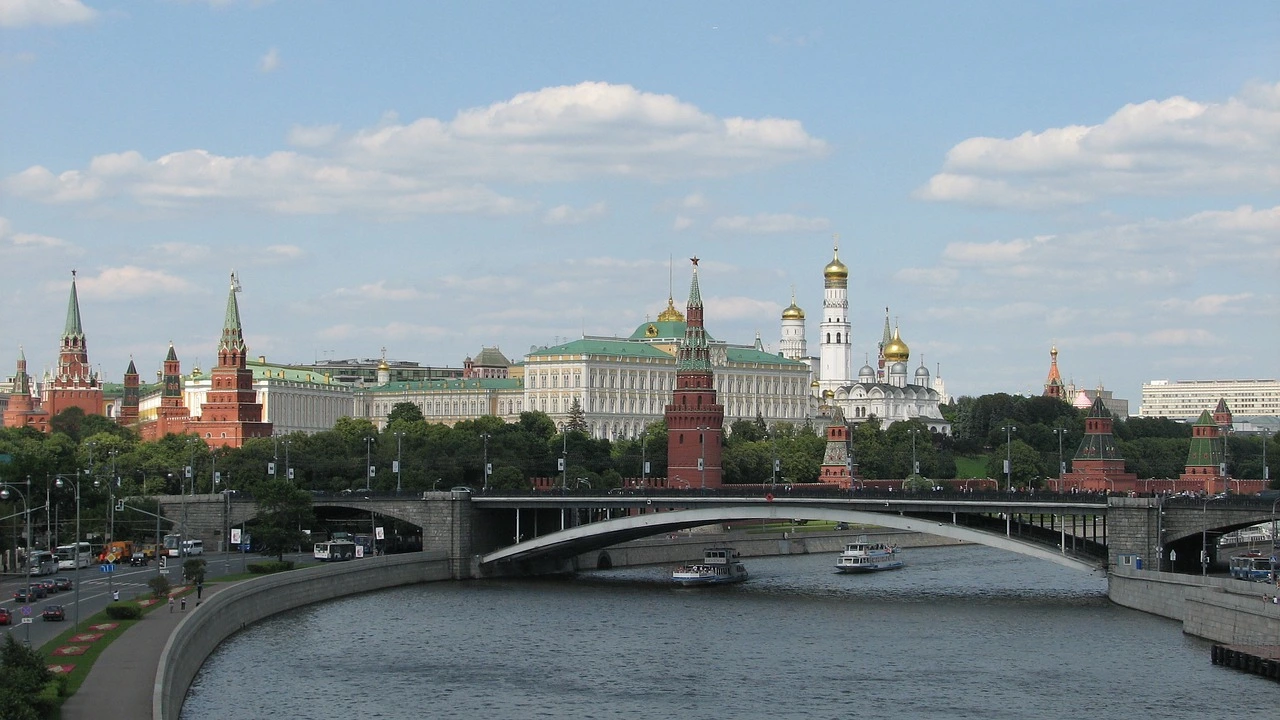
Familiar rhetoric: the West supports war, Russia supports families
The Kremlin is reportedly encouraging media outlets not to treat the budget changes as breaking news, but to focus instead on increased defence spending and infrastructure development. According to the instructions, the message should be clear: Western countries are prolonging the war in Ukraine and thus forced to cut social spending, whereas Russia “does not reduce support for families.”
Analysts say the VAT increase reflects the Kremlin’s shrinking economic manoeuvring room. Lower oil prices and sanctions have reduced energy revenues, forcing Moscow to rely on alternative sources of income. While the budget for the next three years is nominally balanced, in practice, spending has consistently exceeded planned amounts, potentially leading to larger deficits.
Hungarians already know this approach
According to 444, the Kremlin’s strategy mirrors past practices of the Hungarian government: economic difficulties are blamed on external factors (here, Western countries) rather than poor governance. A key element of the Kremlin’s communications is ensuring that media coverage never links Putin personally to this unpopular measure. Another core message, according to 444, is that Russia’s economic struggles are caused by the war-supporting West.
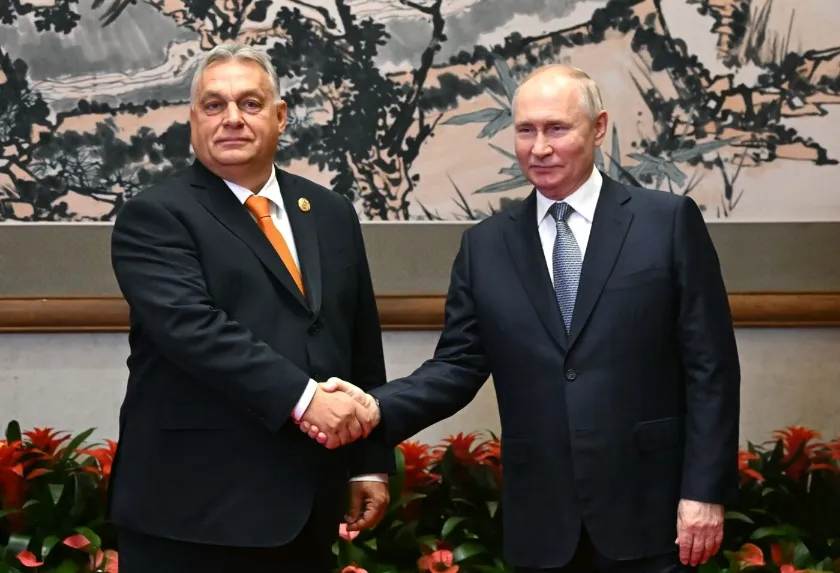



Somehow if you speak out for peace and against war even just in a song you are arrested by “peace loving” Putin’s Nazi regime. Blame the West, eh. How many idiots have blogged on this website blaming the West as they have been brainwashed by the Kremlin stooge who runs Hungary. ORBAN AND HIS FASCIST LITTLE RUSSIAN REGIME MUST GO.
https://www.theglobeandmail.com/world/article-putin-russia-musicians-arrested-anti-war-protest-songs/
Almost like people being called Kremlin bots by the likes of Larry for not believing feeding Ukraine’s men as cannon fodder in an unwinnable war, while lining Zelensky and co.’s pockets with our money, is not in our interest.
And speaking of arrests, more people have been arrested for social media posts in Great Britain and Germany than in Russia.
People in glass houses…
Steiner get you head out of whatever propaganda you fill your mind with. Anyone who cannot understand how repressive the Putin regime is on its’ own people is delusional. We are facing an evil dictatorship that must be kept out of Europe and Orban has been facilitating Putin’s regime inside the EU for years. Hungary has a long standing cultural defect of fascism that Orban has exploited to turn too many people into traitorous Putinists. They never learned from 46 years of Russian occupation which means they are incredibly stupid.
Or indeed of allying the country with the losing camp twice in a quarter century leading to the loss of two thirds of the country’s territory and a half century of Russian subjugation. It is a truism that some people never learn from their mistakes.
Hungarians can only dream about 22% VAT…this means that the Hungarian Viktator is even worse then the Russian one.
Russia has natural gas, oil, etc They don’t need to be reliant on taxes. Everyone in Russia could have a nice life, but instead, because Putin loves war, they spend it on bullets instead to kill Ukrainians