Subscribe to our social channels to get the latest news about Hungary!


There are lots of reasons why you should visit Hungary. The amazing capital, the beautiful buildings and sights and the numerous cultural programs all make it an ideal holiday destination – everybody can find something just right for them, from young people interested in the nightlife to the elderly curious about the famous thermal baths. However, medical care and what you can do if you get injured in a foreign country is rarely discussed. Since accidents happen and it is better to be prepared for everything, here are the main points you should know about getting treatment in Hungary, whether you are a tourist or if you decided to settle down here longterm.
First thing first, here is what to do in case of an emergency. The number for the ambulance is 104 (you can call it free of charge). Generally, there is an English-speaking staff member at the main emergency call centre, and the service works pretty well in Hungary – the ambulance arrives at the scene within 15 minutes. Another option is to call the number of the EU emergency line, 112.
When it comes to first aid and emergency treatments, these are available for free for tourists and foreigners without an insurance as well.
Emergency treatments do not require a referral from a doctor, so everybody can be treated. There are also emergency doctor clinics that offer treatment at night and on weekends as well.
Pharmacies are easily identifiable in Hungary by their green décor, with either a lit-up green cross or the universal sign of pharmacies, the ‘bowl of Hygieia’ signalling their location. You stumble upon one every few streets and their opening hours are quite good in general.
They can be open until 6 pm or 8 pm and there are 24-hour pharmacies that offer help on weekends, too.

Numerous kinds of medication are available over-the-counter, while you need a prescription from a doctor for some. Beware, though, that prescriptions you bring from abroad are not accepted. Certain kinds of painkillers and the most common medicines are available at supermarkets, drugstores and often at petrol stations as well, although pharmacies are the safest bet since pharmacists can recommend the best option for the symptoms you describe.
If you want to see a doctor or GP with a non-emergency condition, you best make an appointment. You can decide to just show up without having called ahead but you should be prepared to wait in this case. It is important to note that Hungarian doctors are generally underpaid, so many of them move to the private sector or have public and private practices at the same time. This means that waiting lists are very long for public healthcare treatments and it is a good idea to go to the doctor’s office as soon as it opens.
Very often, patients are seen in the order they arrived in and not by the urgency of their problem, so it does matter what time you go.
Once you are in the doctor’s office, do not be discouraged by the presence of the doctor’s assistant. It is very common that they sit in on the consultations, assisting the doctor with printing different documents or recording the patients’ information. If it suits you better, you can request them to leave the room in the name of privacy or you can use their help with translation and getting the most out of your treatment.


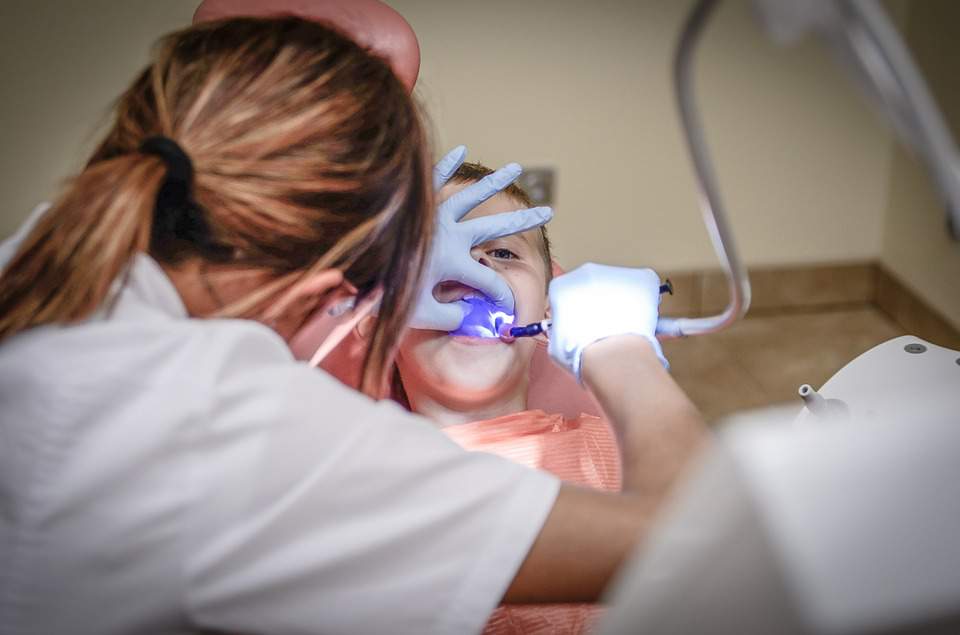
“What to do if you get injured in Hungary – a guide for tourists and foreigners”
If you are romanian… just die. We will take good care of your body. 😀
This was a joke. Nothing more.