Subscribe to our social channels to get the latest news about Hungary!


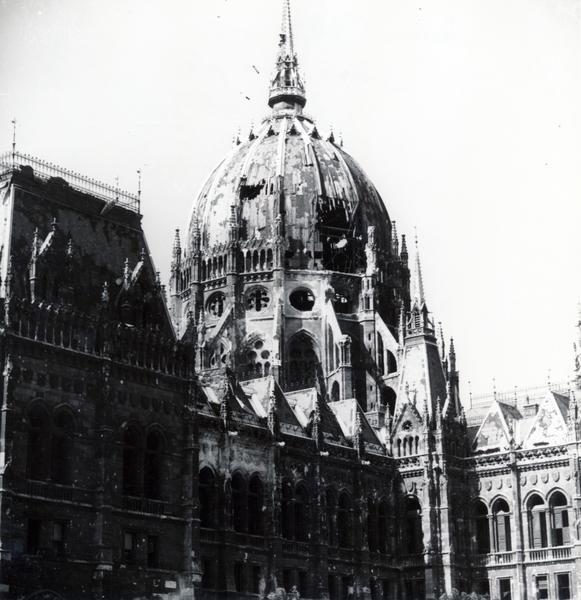
The Hungarian Parliament is a beautiful gem on the bank of the Danube in Budapest, and it is one of – if not the – most iconic buildings in Hungary. Many tourists visit it and take photos of it, and the architectural masterpiece has become a symbol of Budapest since its completion in 1904.
Even though it is such a beloved destination to visit and one of the most important buildings in Hungary, there are a lot of things that you might not have known about this iconic building. In this article, we will try to shed some light on a few of its mysteries.
According to Funzine, there were times of bloodshed, sausages hanging from the rails, and even horses eating the furniture in the Parliament during the building’s 117 years of existence.
According to the stories, politicians wanted a parliament in the early 19th century, but due to historical events, such as the suppression of the 1848 Hungarian Revolution, it was not possible until 1880. The winner of the tender for the design was Imre Steindl, but the exact location was uncertain at that point.
Most people agreed that it should be built on the bank of the Danube, but some politicians preferred a location near the Hungarian National Museum, as many rented apartments there, but eventually, they ended up choosing today’s location. However, it was not that easy.
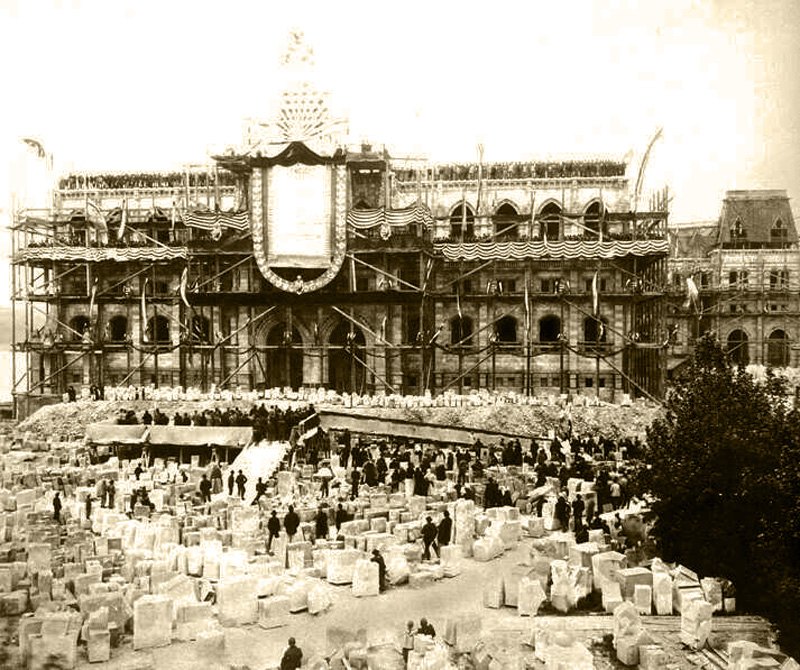
Back in the late 19th century, the Kossuth Square was called Tömő Square (meaning to fill) because people in Pest dumped their construction waste there.
The then Prime Minister had to defend his choice with a duel
as he was accused of choosing the location because his relative had property there (today’s Szamos store). The accusations were not true, but the Prime Minister won the duel.
At the time, there were several things the press disliked about the building and design of the Parliament. One of the things was the statues found in the corridors around the chambers. They were made of Pyrogranite, a material that had never been used before, made specifically for this occasion by Zsolnay. Although the material was widely used afterwards, its debut was not welcome.
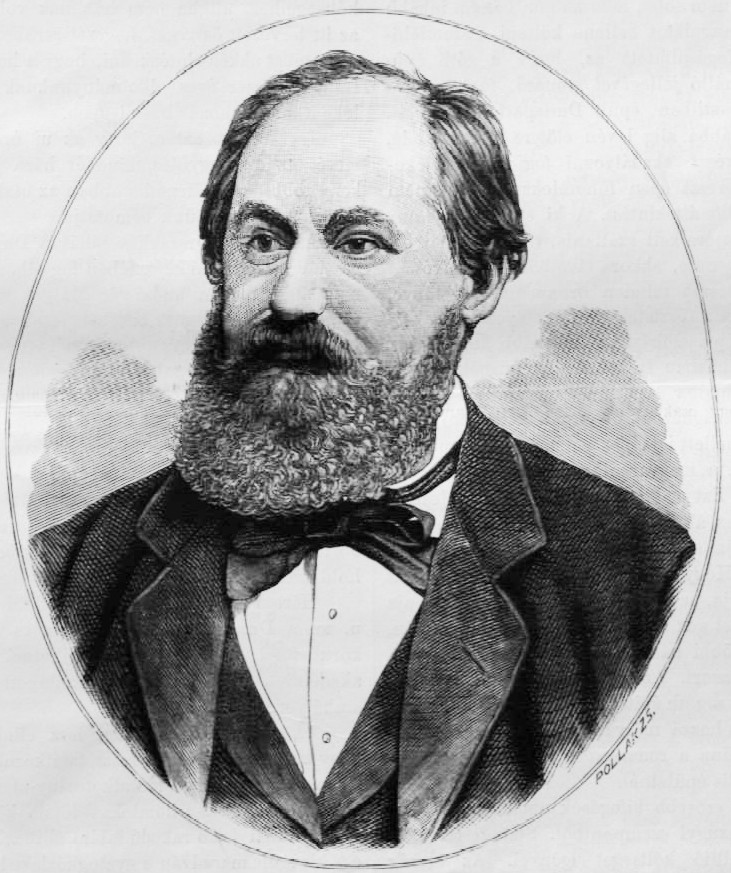
The other thing the press did not like is that Imre Steindl’s competitor employed the best artists of the era to decorate his designs, while Steindl hired ‘second-rate’ artists for the Parliament’s decoration. This was intentional, however, as
the architect thought that the statues and paintings could only have a subordinate role, in order not to cast a shadow on his magnificent Neogothic design.
In the 1920s, the area started to become more and more crowded, and so the authorities specified what the facades of the nearby buildings could look like, and none could be taller than the Parliament. They also prohibited opening shops on the ground floor; only restaurants, cafés and offices could be there.