Subscribe to our social channels to get the latest news about Hungary!


Telecommunications giant Magyar Telekom is closing in on finalizing a deal to acquire the Cecoin fiber network which could net the company an additional 110,000 access points. Purchased for HUF6.95 billion, the company argues that this transaction should increase efficiencies in their online network. In theory, this could reduce mobile prices thanks to a reduction in leasing free payments.
With internet penetration in Hungary at 83% in 2021, such upgrades could significantly reduce the cost of some forms of high-speed connections, such as 5G. For others, however, speed upgrades might not be with the cost of a new plan or device. For a deeper look at what this change could mean for individuals, Hungarians need to consider their use cases.
One of the most successful forms of entertainment in modern Hungary can be found in online casino games such as popular online slots. Despite offering the cutting edge in gameplay and graphics, these titles like Pearl Respins and Follow the Honey have limited demands on both processing hardware and mobile bandwidth. In other words, if you’re one of the millions of players across the world who only use this type of mobile software, the coming price changes from the Cecoin acquisition likely won’t matter. For other uses, however, these changes could be more pronounced.
Probably the most notable changes that will occur from Magyar Telekom’s expansion will result from a reduction of cost for 5G connectivity. Operating much faster than existing 4G connections, the capabilities of 5G are still widely unnecessary for most users.
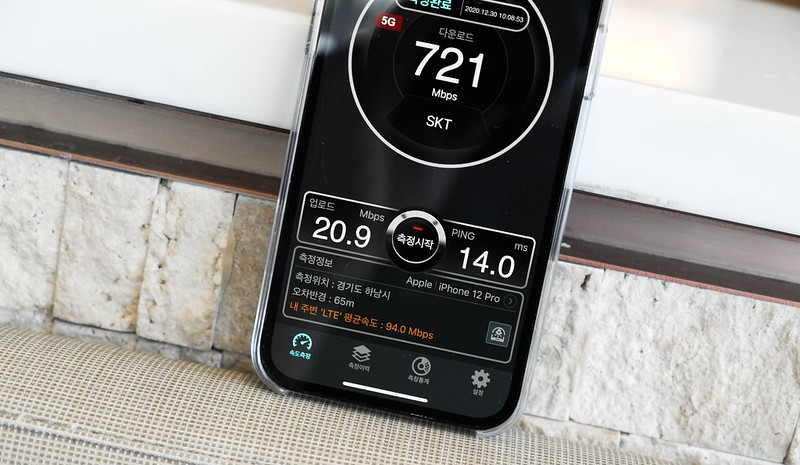
“SKTelecom 5G” (CC BY-ND 2.0) by TheBetterDay
For an illustration, consider high-definition video streaming, which is the most data-intensive use that most people will get out of their mobile. The highest quality video that most mobiles stream will be around 1080p, which only requires a bandwidth of around 5 Mbps. According to this report from 2017, 4G at the time in Hungary already averaged 42 Mbps. This is not only enough for 1080p quality, it would be enough for the 15 Mbps + required for ultra-HD, which few people use on small mobile screens. Really, it’s only with mobile hotspots and computing database use that people see real 5G advantages in, at least so far.