Subscribe to our social channels to get the latest news about Hungary!


Knives are not simply an instrument in the culinary arts; they are a reflection of a chef’s abilities and imagination. Even the simplest of knives, the chef’s knife, the paring knives, and the unique filleting knives are all essential tools for turning raw foods into gourmet meals.
It is with this knowledge that the effectiveness of cooking using these utensils and the overall performance and perception of the final product can be improved. So, my friends, let’s start the extensive exploration of the vast world of kitchen knives.
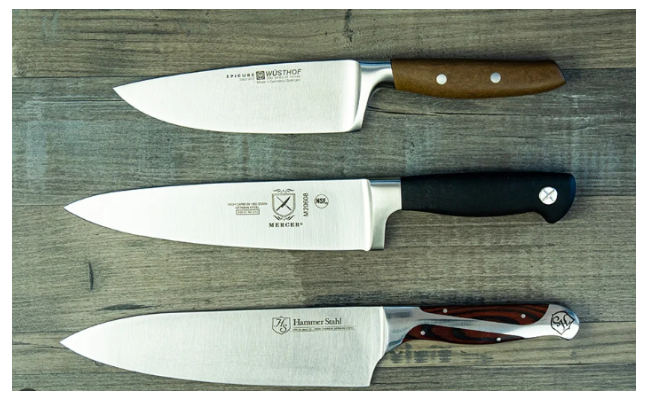
The chef knife is the most important knife in the kitchen and it is designed to be a general purpose knife useful for most cutting operations. This can be anywhere from 6 to 12 inches long with a curve to facilitate rocking back and forth to execute chopping, slicing and dicing easily.
The bolster, the part where the blade joins the handle, adds weight and stability, thereby enabling chefs to apply pressure with great ease and in the precise manner. This knife is great for chopping vegetables, meats and herbs and is a must-have in any working kitchen as well as personal kitchens.
On the other hand, the paring knife is well-known for its sharpness and nimbleness when faced complex operations. This knife generally measures 3 to 4 inches and has a pointed end and a thin, straight edge that is ideal for skinning, seeding, and carving. Light and portable, it is best used in operations that involve precision and dexterity that is cutting devein shrimps, cut fruits and garnishing. Used by professional chefs or for homemade pastries, the paring knife becomes an indispensable tool in creating the perfect dish.
The utility knife bridges the gap between larger chef’s knives and smaller paring knives, offering versatility in everyday kitchen tasks. Typically featuring a blade 4 to 7 inches long, it combines the precision of a paring knife with the cutting power of a chef’s knife. Its straight or slightly curved blade makes it suitable for slicing sandwiches, chopping smaller vegetables and fruits, and preparing meats with moderate thickness. The utility knife’s balanced design and sharp edge ensure efficient performance in a variety of culinary applications, making it a valuable asset in any kitchen arsenal.
Originating from Japan, the Santoku knife embodies the essence of precision and versatility in Eastern culinary traditions. Its name translates to “three virtues,” referring to its proficiency in slicing, dicing, and mincing. The Santoku knife features a wide blade with a straight edge and a granton (hollowed) edge, which minimizes friction and prevents food from sticking during cutting. This design facilitates clean, uniform slices of vegetables, meats, and herbs with minimal effort. With its balanced weight distribution and ergonomic handle, the Santoku knife offers exceptional control and comfort, catering to both professional chefs and home cooks seeking culinary perfection.
Designed for precision and finesse, the bread knife stands as a testament to the artistry of baking and pastry. Its long, serrated blade, typically ranging from 8 to 10 inches, features sharp teeth that grip and penetrate crusts without compressing delicate interiors. This allows for effortless slicing of bread, baguettes, and pastries, preserving their texture and presentation. Beyond baked goods, the bread knife’s serrations make it adept at cutting through soft fruits and vegetables with tough skins, such as tomatoes and peppers. Its versatility and cutting precision make it an essential tool for culinary enthusiasts and professionals alike.


