Subscribe to our social channels to get the latest news about Hungary!


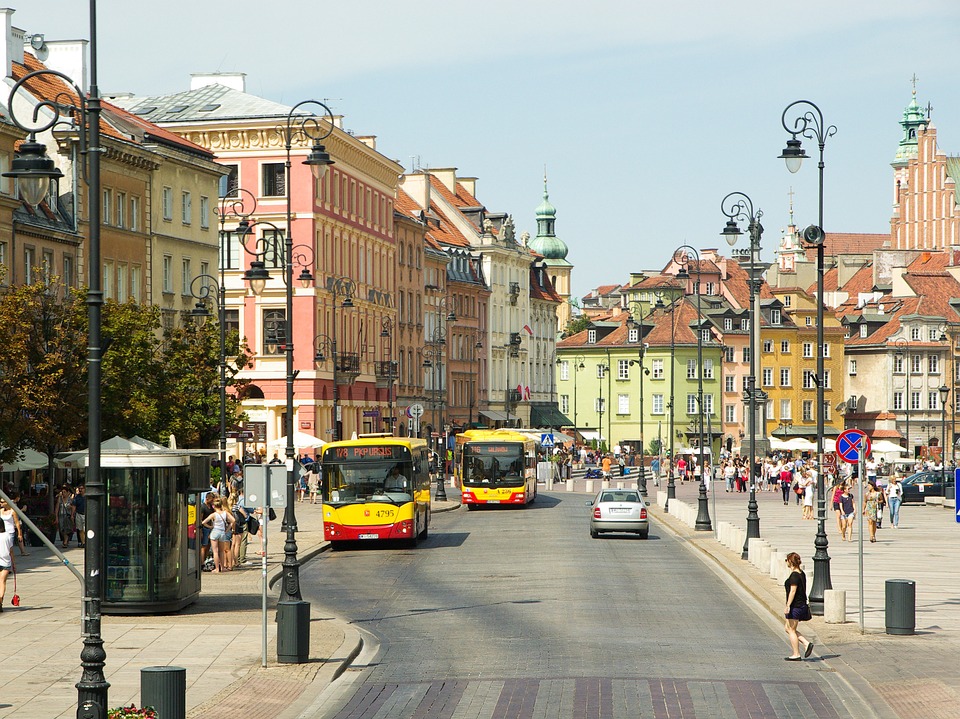
Based on the Cost of Living Survey by US consultancy firm Mercer, the capital cities of Poland and Hungary are among the cheapest for expats in Europe. In the meantime, Prague, Bratislava, Moscow, St. Petersburg, and Riga are the most expensive cities in Central and Eastern Europe.
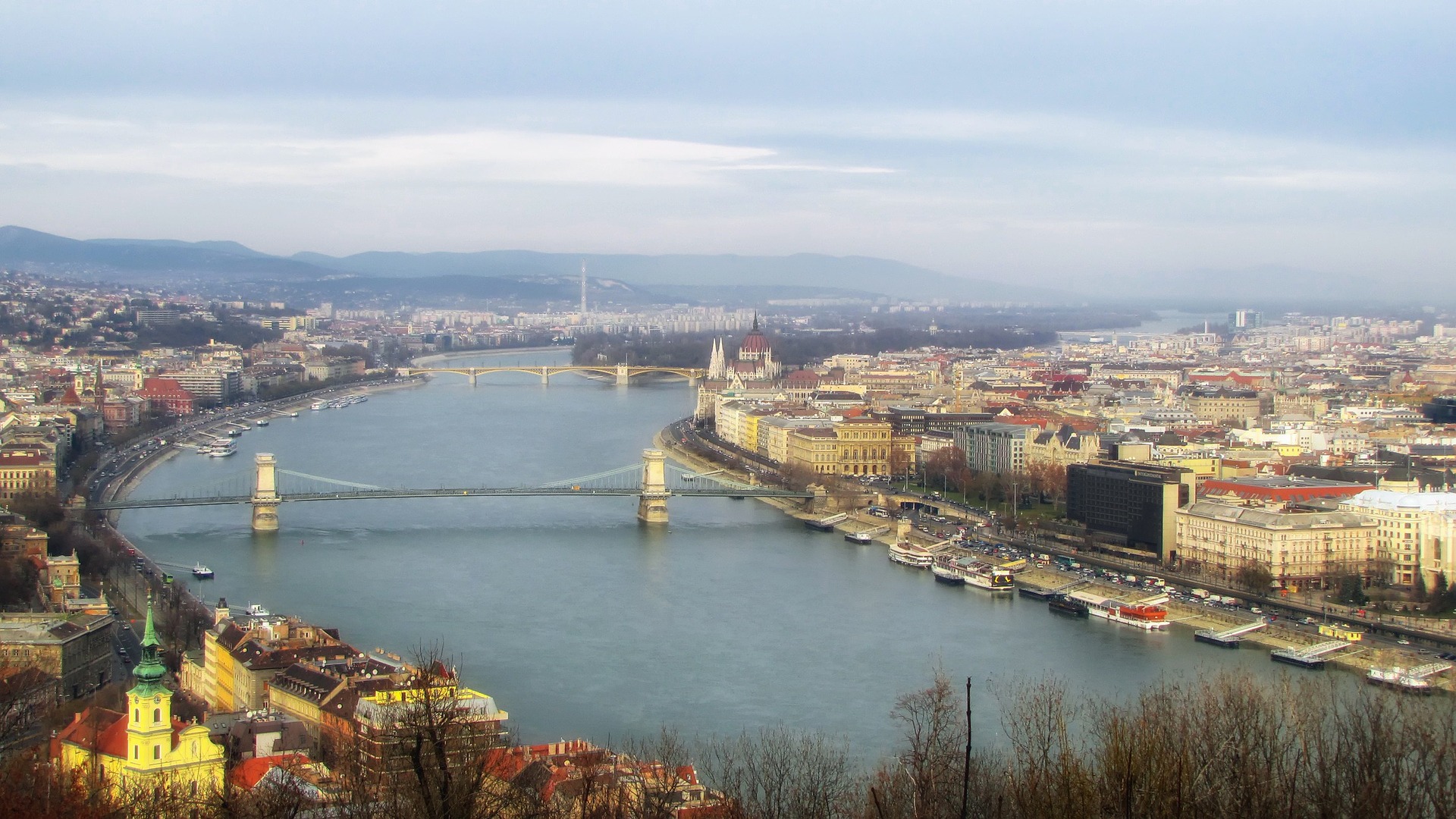
According to kafkadesk.org, the cheapest cities in Europe are Skopje, Minsk, Sarajevo, Belgrade, and Sofia. If we compare European cities worldwide, Zurich is in the top ten most expensive cities for expats, in the fifth place, followed by Bern and Geneva. The cheapest European cities are Prague (97th), Bratislava (131st), Budapest (164th), and Warsaw (173th).
The reason may be the following:
“Despite moderate price increases in most of the European cities, European currencies have weakened against the US dollar, which pushed most cities down in the ranking. Additionally, other factors like recent security issues and concern about the economic outlook, have impacted the region,”
said Yvonne Traber, Global Mobility Product Solutions Leader at Mercer.
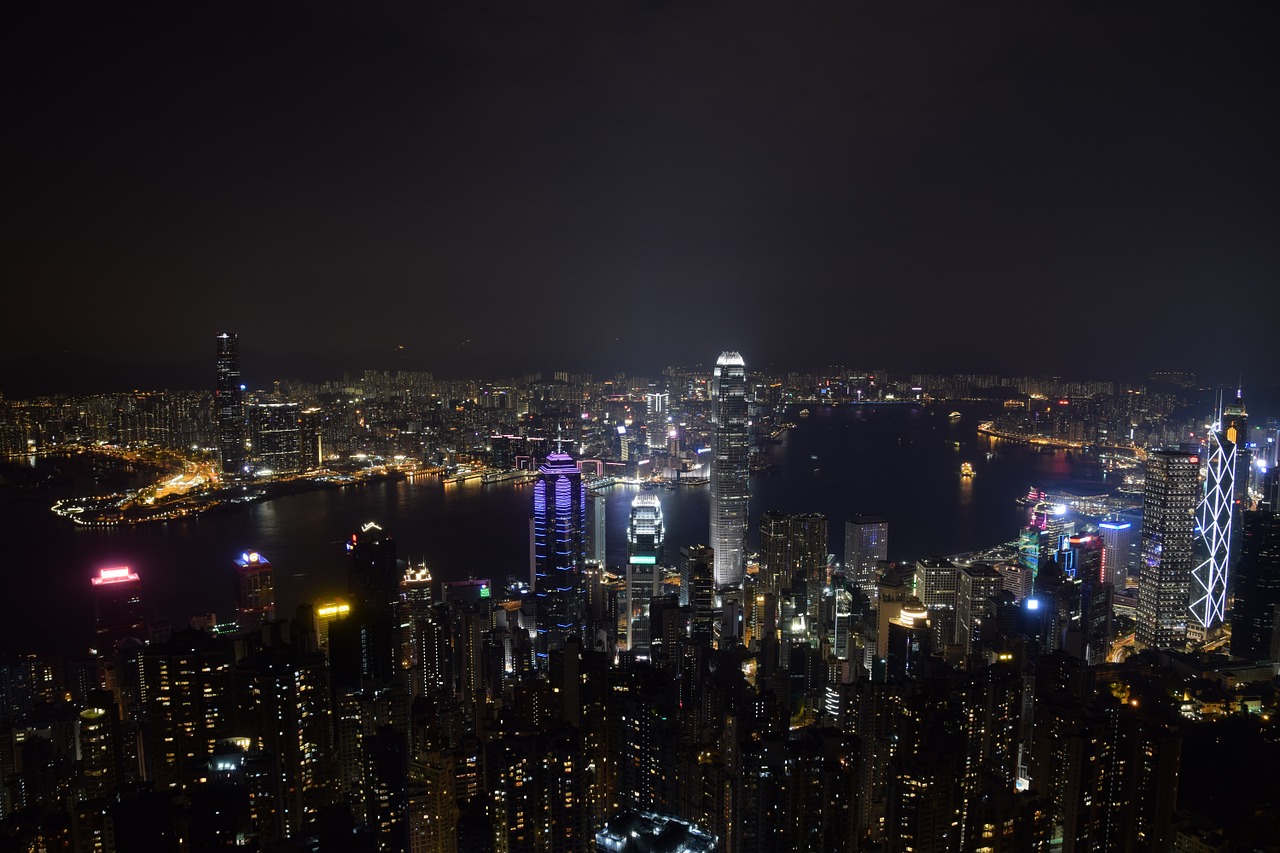
The most expensive city in the world for foreigners is still Hong Kong, both in Asia and globally. The reason for that is the strong housing market and the currency that is fixed on the standard of the USD, rising local prices. Hong Kong is followed by Tokyo, Singapore, Seoul, and Shanghai.
The survey of Mercer is recognised worldwide and helps multinational companies and governments in determining compensation allowances for their employees from abroad. Its result differs from other companies’ results, e.g. The Economist‘s, because Mercer particularly focuses on products bought by foreigners. Movements of the currency are measured compared to the USD and New York City, the base city for comparisons. 209 cities of 5 continents were examined, and more than 200 elements of financial costs were compared, e.g. housing, transportation, food, clothing, household goods, entertainment, etc.