Subscribe to our social channels to get the latest news about Hungary!


Each and every nation has its own set of traditions that they have kept for centuries and still respect, celebrate with enthusiasm. Hungary has a rich cultural heritage, and although many of the traditions listed below are celebrated across the whole country, some of them became very characteristic of Budapest.
The Culture Trip has collected some of the most characteristic traditions, celebrations that take place in Budapest.
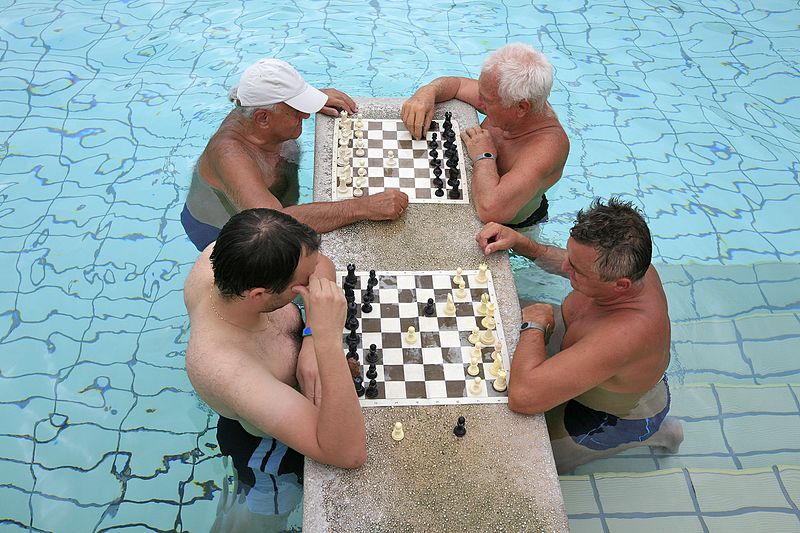
Thermal baths are themselves a deeply embedded tradition in Hungary, especially in the capital city, where there are over 100 thermal springs. Some of these baths, like the Széchenyi Thermal Bath, offers more than just a relaxing soaking in the healing waters: you can play a bit of chess at the pools. Some locals of Budapest come here often to catch up with their friends over a game of chess, all the while they are healing their bodies and keeping their minds fit.
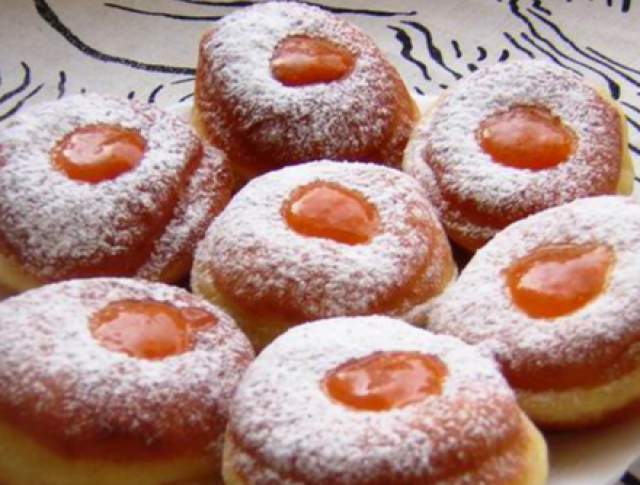
Farsang is a carnival taking place in February and is celebrated everywhere in Hungary, and its main culinary focus is the Farsangi fánk or the Carnival Doughnut in English. Hungarian people celebrate Farsang from Epiphany (January 6) to Shrove Tuesday, and since after Ash Wednesday day lent sets in, Hungarians try to make the best out of these few weeks: they eat fatty, sugary foods prepared from ingredients that are forbidden after Shrove Tuesday. Doughnuts are one of these delicious treats that are both baked at home, sold in confectioneries and cafés, but there are several doughnut shops too. In Budapest, there is a separate festival dedicated to carnival doughnuts.
Lomtalanítás, or clearing out day is the time of the year when residents of Budapest put stuff that they no longer need out on the streets for others to take it for free. Although there are some real treasures among these items, they are mostly clothes, books, toys or items of furniture that people no longer need. Sometimes, they are actual trash. It happens two times a year, in spring and autumn, on a designated day that varies across districts, and on these occasions, the streets of Budapest resemble a hastily put together flea market.


Yes please, more posts like these!
My favorite is August 20, with lovely childhood memories of the flower Carnevale in Debrecen.
And may I suggest one more specialty: the táncház. Dance house, the “folk disco” movement has even earned the UNESCO Cultural Heritage title.
Oh, and don’t forget szalonnasütés!