Subscribe to our social channels to get the latest news about Hungary!


Religious holidays have a special ambiance, the traditions, the meals and the menu of each celebration is different. The rich and delicious dishes served on the table add to the light of the festive mood. For those who are interested in Hungarian traditions and meals, magyarvagyok.com summarized the most important practices, customs and beliefs connected to the upcoming holidays.
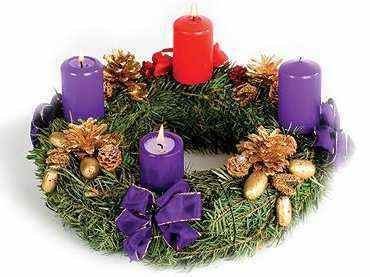 The religious year starts with advent in Hungary, which starts on St Andrew’s day (the 30th of November) and lasts until Christmas Eve. This time of the year symbolizes the waiting for the arrival, and in some places of the Hungarian country, families kept the tradition of carrying the picture of the Holy family from house to house, and celebrating with devoutness for nine days. This tradition is called ‘The Holy Family looking for shelter’. The advent wreath and the tradition of caroling (‘betlehemezés’ meaning doing the Betlehem is the Hungarian equivalent of caroling) are also connected to advent. In the days preceding Christmas, Hungarian families traditionally eat moderately, while on Christmas the menu is usually heavy and rich in meat, says magyarvagyok.com.
The fasting of Advent ends on Christmas Eve, and although canonically this day is not marked as a fasting-day, Hungarian families celebrate this day with meat-free dishes such as bread pudding with poppy seed (known as ’mákos guba’ in Hungarian), bean soup, pasta with poppy seed and egg soup.
On Christmas, we celebrate the birth of Jesus, this holiday is known as the celebration of love. Most families stick to the traditional menu, which consists of fish soup, wine soup or fried fish. The rest of the menu is variable, the customs are different in each family, but the most common dishes are roasted turkey and stuffed cabbage.
Like in many other countries, the Christmas tree is an essential decoration of the house in Hungary as well. Apart from this ornate component of the decoration, the dining table had been the most important place in the Christmas tradition of Hungary. The colour of the tablecloth retained its role in representing the spirit of the holiday: most families have a special, decorated tablecloth that they use on Christmas. It is usually red coloured, which signifies happiness. Poppy seed, beans and peas also have traditional significance: they symbolize affluence and fertility, while honey is said to make life sweeter.
On first day of Christmas (the 25th of December), lunch starts with a rich, gold-coloured soup which may be chicken soup, turkey or can be made of giblets as well. Vegetables, mushrooms, liver and pasta makes the soup rich and tasty, fitting the splendour of Christmas Day. The main dish is usually roasted turkey, in many places it is served with chestnut, almond and plum braised in red wine. In the countryside, this time of the year is the harvesting of the fattened pigs, known as ‘disznóvágás’ (translates to pig killing), so the Christmas menu is completed with pork dishes.
 The desserts served at the Christmas table are favourites of many: the sweet pastry stuffed with poppy seed or nuts, or ‘bejgli’ as Hungarians call it is made with batter or short pastry. The stuffing can be enriched with raisins, apple, chocolate or honey. This is the most popular Christmas pastry in Hungary, but there are other desserts served on this day: Gerbeaud slice is a rich, delicious dessert made of batter pastry, with apricot jam and nuts filling and chocolate glaze on the top.


Thank you so much for all this important information.
I thought that St Stephen’s day was 26th December. Is that correct??