Subscribe to our social channels to get the latest news about Hungary!


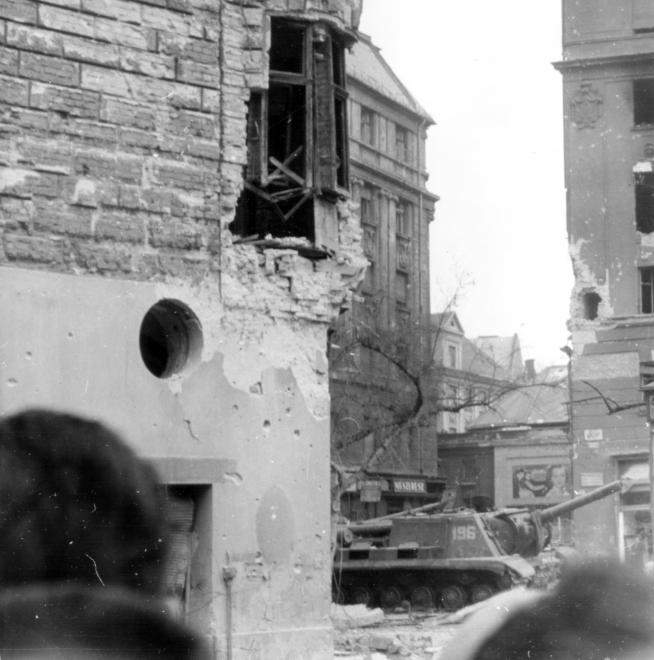
Both happened in October and November of the same year. In the former, the influence of Great-Britain and France on global issues weakened significantly while Egyptian President Gamal Abdel Nasser strengthened his positions. In the latter, the Soviet Red Army restored the communist rule in Hungary by killing thousands of young Hungarian freedom fighters and making hundreds of thousands flee their homeland. But what is the link between them?
In late October and early November of 1956, all the front pages of the important newspapers were covered with two country names: Egypt and Hungary. From a global point of view, Hungary was the less interesting: after defeated and devastated in WWII, it became a Soviet satellite state with almost no freedom. In contrast, Egypt lead by the ambitious President Gamal Abdel Nasser was competing for the leadership of the Arab World. In fact, Nasser seized control over the country in 1952 after a successful military coup.
Short after that, Nasser began to
balance between the communist and capitalist great powers.
For example, in 1955, he signed an arms deal with Czechoslovakia (which meant the Soviet Union). Furthermore, he strongly supported the Algeria rebellion against France while he expected American money for his Aswan Dam project. His most important aim was to become the leader of the Arab World and consequently, one of the leaders of the non-aligned countries. Meanwhile, Great-Britain (and France) tried to maintain its positions in Egypt and principally near the Suez-canal through which 2/3rd of the oil used in Europe was shipped to the Old Continent.
In Hungary, important changes happened after Stalin’s death in 1953. To cut a long story short, Mátyás Rákosi, the hated leader of the Hungarian communists was dismissed and his successor,
Imre Nagy installed reforms
regarding the devastated economy and oppressed public life. However, after a change in Moscow, Rákosi’s circle gained power again, but the Hungarian society strongly resisted and made him resign in July 1956.
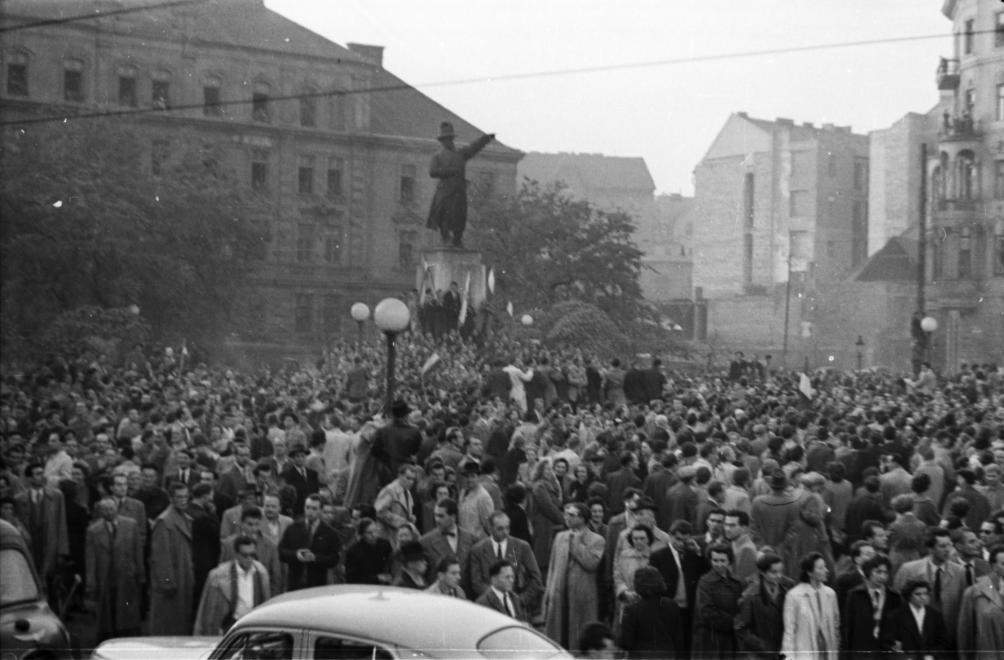
Consequently, students, journalists and writers became more active and critical in politics. The situation escalated and on October 23 transformed to revolution. The freedom fighters – most of them under 30 – wanted