Subscribe to our social channels to get the latest news about Hungary!


The most important bridge of Hungary can finally go through some well needed refreshing works. Finding the right contractor that offers the best price for the highest quality work took some time, as the tender on the public procurement had to be reinitiated several times to find the most fitting company. Nevertheless, there is a “winner”, and the only thing left to do is signing the contract.
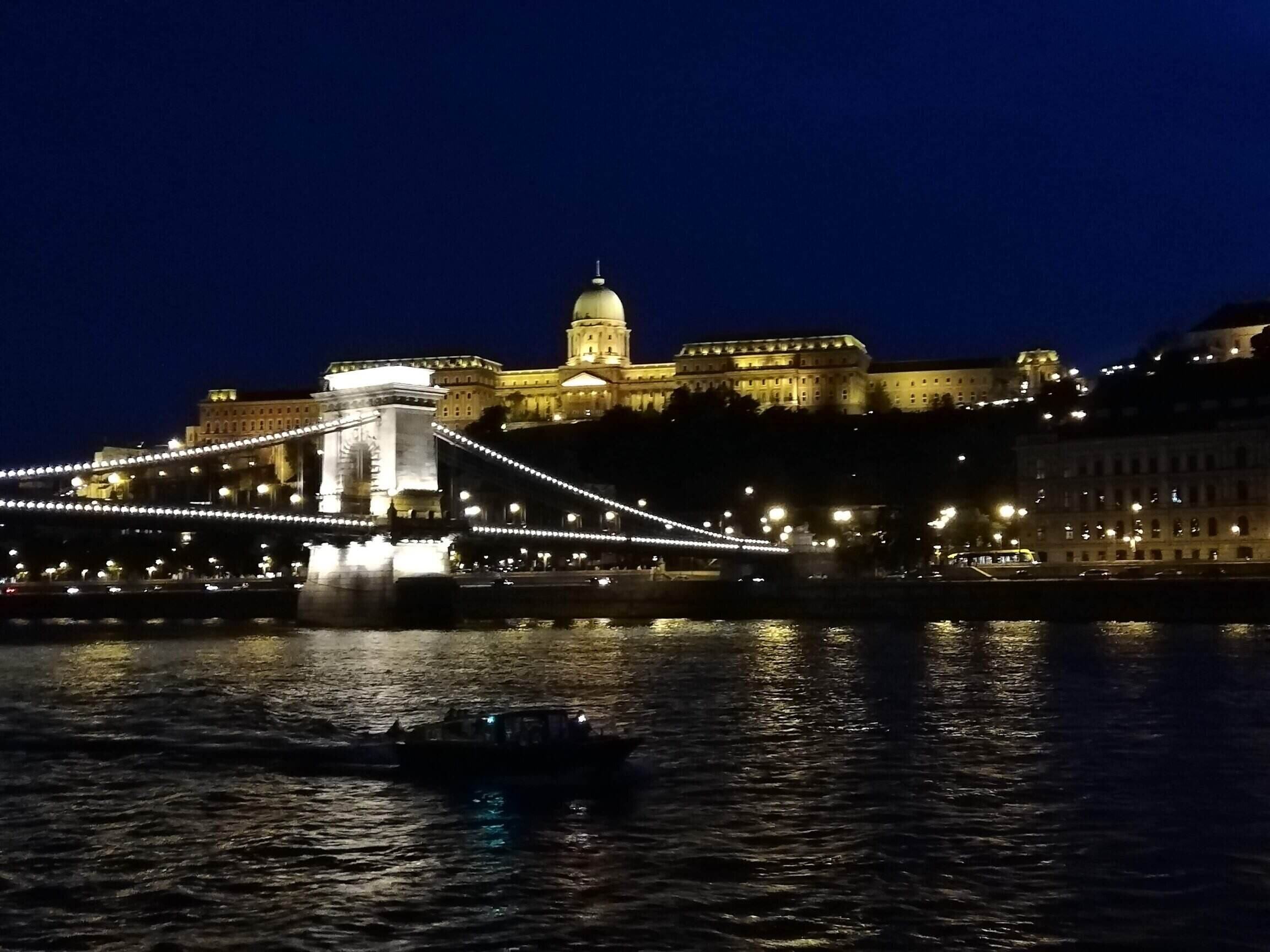
Széchenyi Chain Bridge is the first permanent bridge across the Danube, a real national monument at the Buda mountains’ feet. It is a popular Instagrammable site for a lot of tourists, and we can understand why. Looking from the other side of the Danube, the view with the Buda Castle behind the bridge is breathtaking. Before it was built, the only way to cross the Danube was by boat, on the frozen Danube in wintertime or by a temporary bridge that operated very rarely.
Budapest, however, needed a real stone bridge. It was built between 1839 and 1849 by a Scottish engineer Adam Clarke and designed by his British colleague William Tierney Clarke. The whole project, however, is thanks to the greatest Hungarian, Count István Széchenyi. He did everything in his power to give the capital its first permanent bridge, he concluded studies abroad, he drew up several designs for the construction, he visited factories and experimented with materials, and he was the one who asked the two foreign engineers, apart from being the most significant financial supporter of the bridge.
When it was finalised, it was regarded as a modern technical miracle of its time.
Ever since it has asserted an enormous significance in Hungary’s social, cultural and economic life, apart from being a rather big tourist attraction. It became a symbol of advancement, national awakening and the linkage between East and West, as the bridge itself also links the Eastern and Western parts of the capital together. The two rock lions guarding its entrance on the Pest side are probably known worldwide, surely by every tourist that has ever visited the city.


I wonder if the English company that made the bridge (it was only assembled in Budapest, in kit form) still exists?
1852 was the date that the (4) four Lions being 2 either side, where added to the Chain Bridge.
They are the originals – that avoided survived the destruction of the Chain Bridge during the course of the Second World War.
It is written that the acclaimed 19th century British artist and sculptor especially of animals, Sir Edwin Henry Landseer – the (4) four Lions of Trafalgar Square in the City of Westminster, in Central London, emplaced in 1867, are designed on the Lions of The Chain Bridge.
Why do the (4) four Lions on the Chain Bridge – have no Tongues ???
Janos Marschalko – born Leipzig 1818 – Died 1877 in Budapest, Hungary – the sculptor of the Lions on Chain Bridge – did he have a memory fade during there creation //
Highly unlikely that the English company responsible for the design and construction kit form or other that built the Chain Bridge still exists.
Would have be eaten up by the (4) four Lions on The Chain Bridge in long past history.