Subscribe to our social channels to get the latest news about Hungary!


The Unitarian Church belongs to the group of smaller historic churches. Unitarianism is one of the monotheistic movements that places special emphasis on the unity of God and freedom of conscience. Followers believe that God is an indivisible, omnipotent being who must be worshiped with sincerity and justice.
The global population of 7.6 billion includes around half a million Unitarians. In historic Hungary, it is the smallest recognised religious denomination, with around 65,000 followers in Transylvania and 6,000 in Hungary.
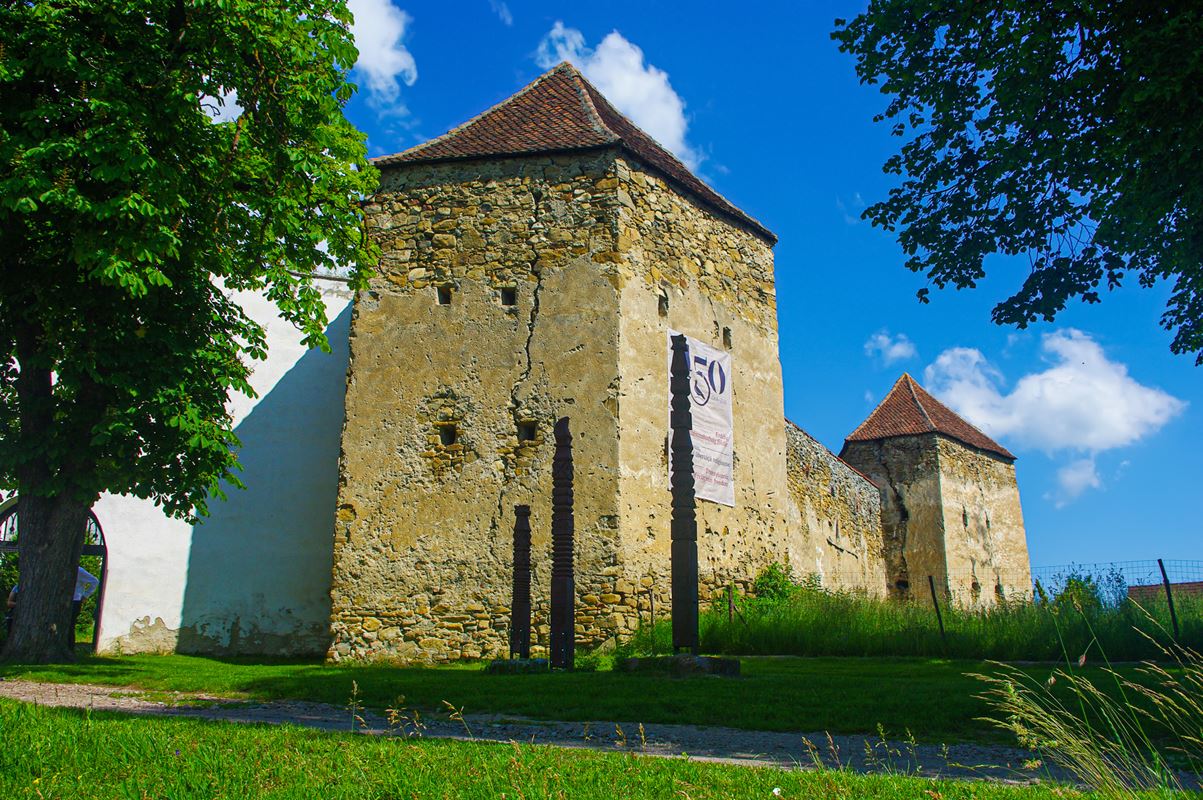
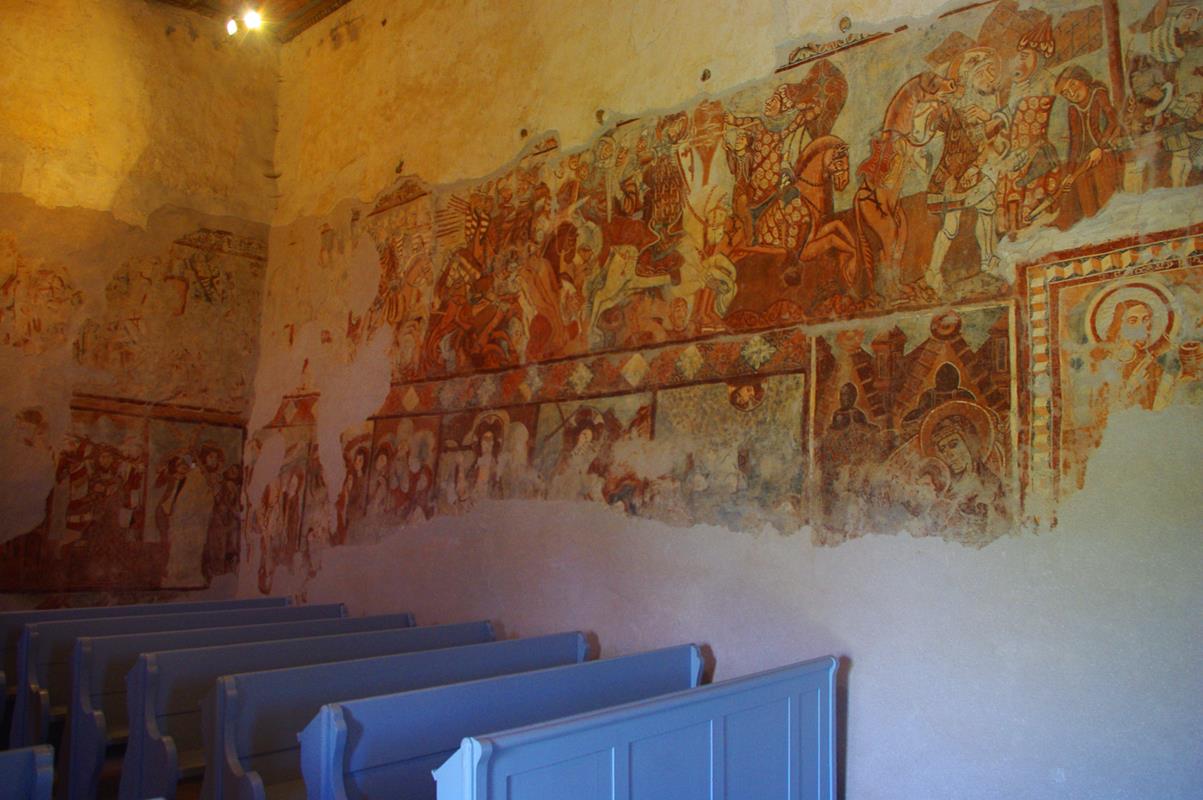
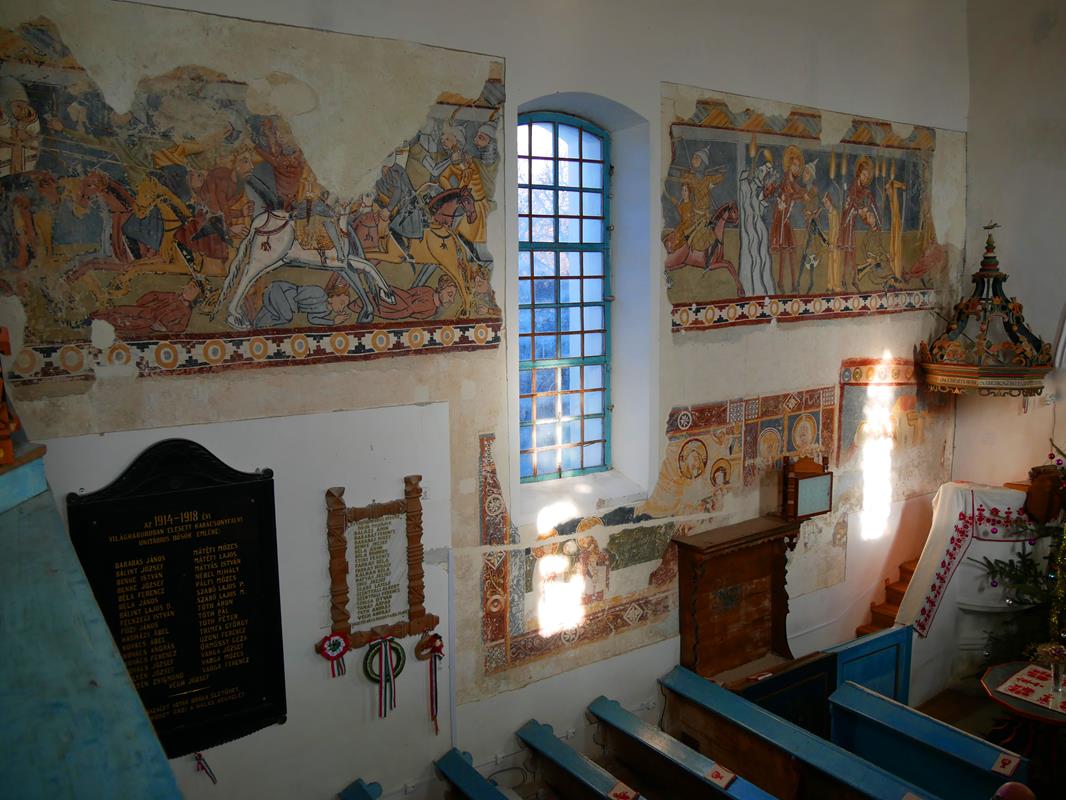
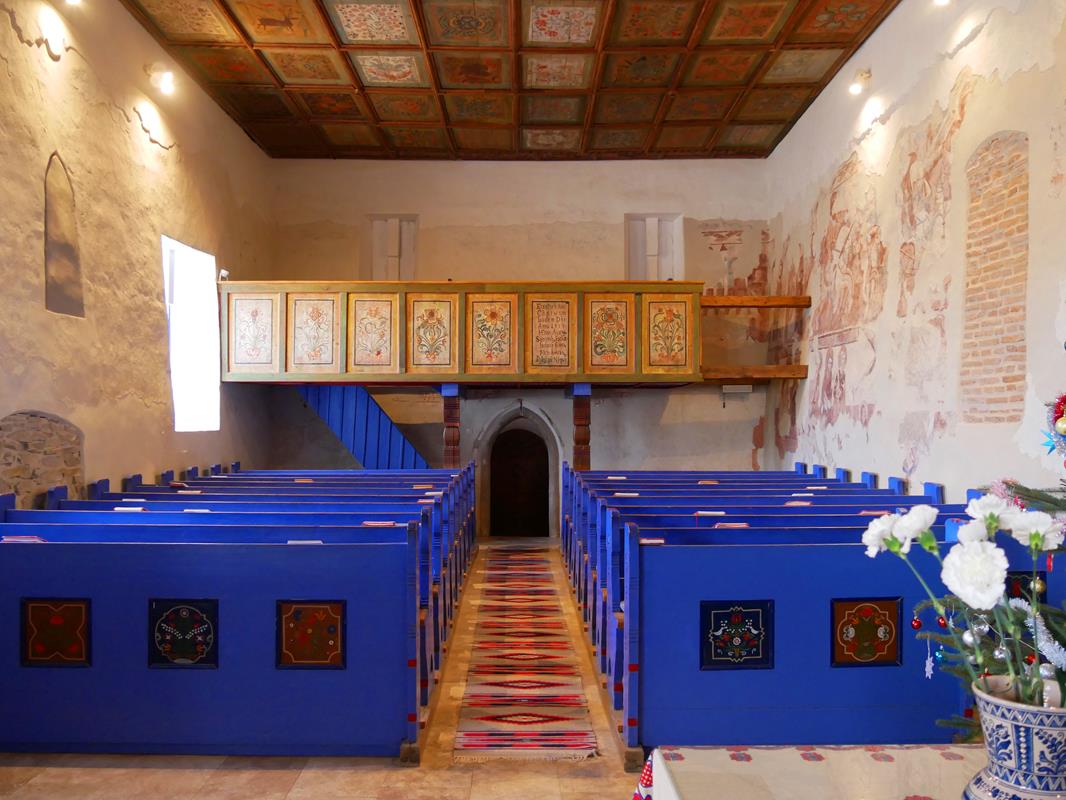
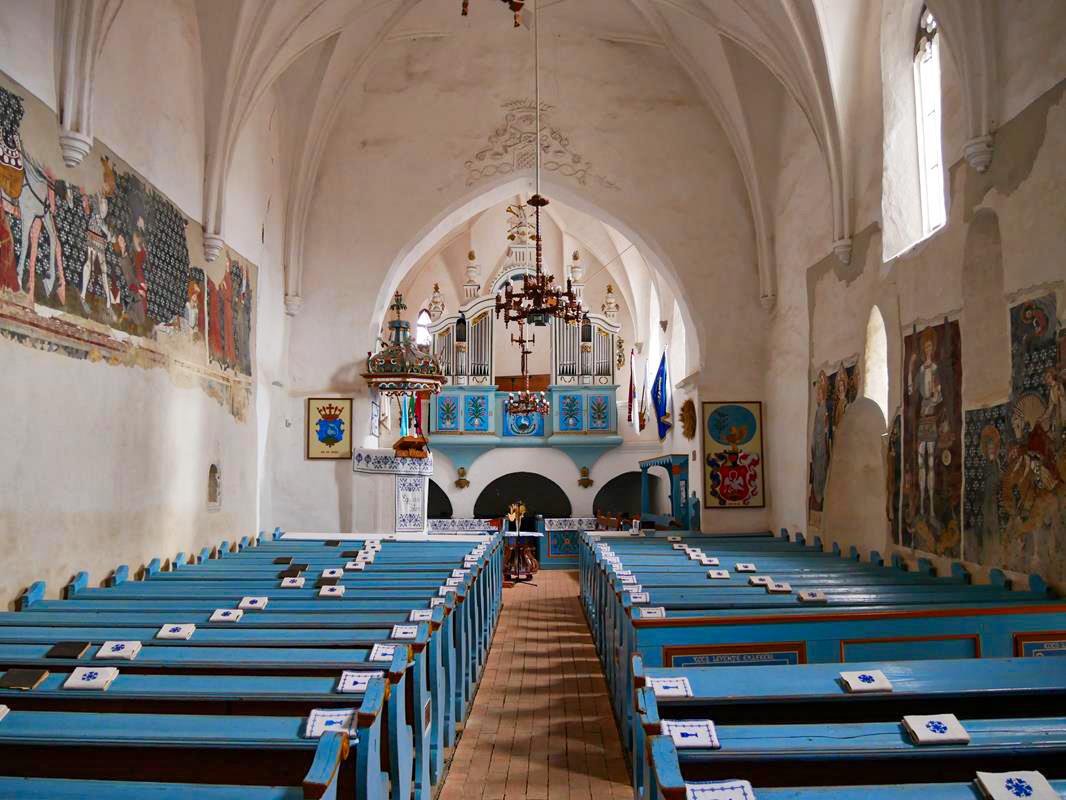
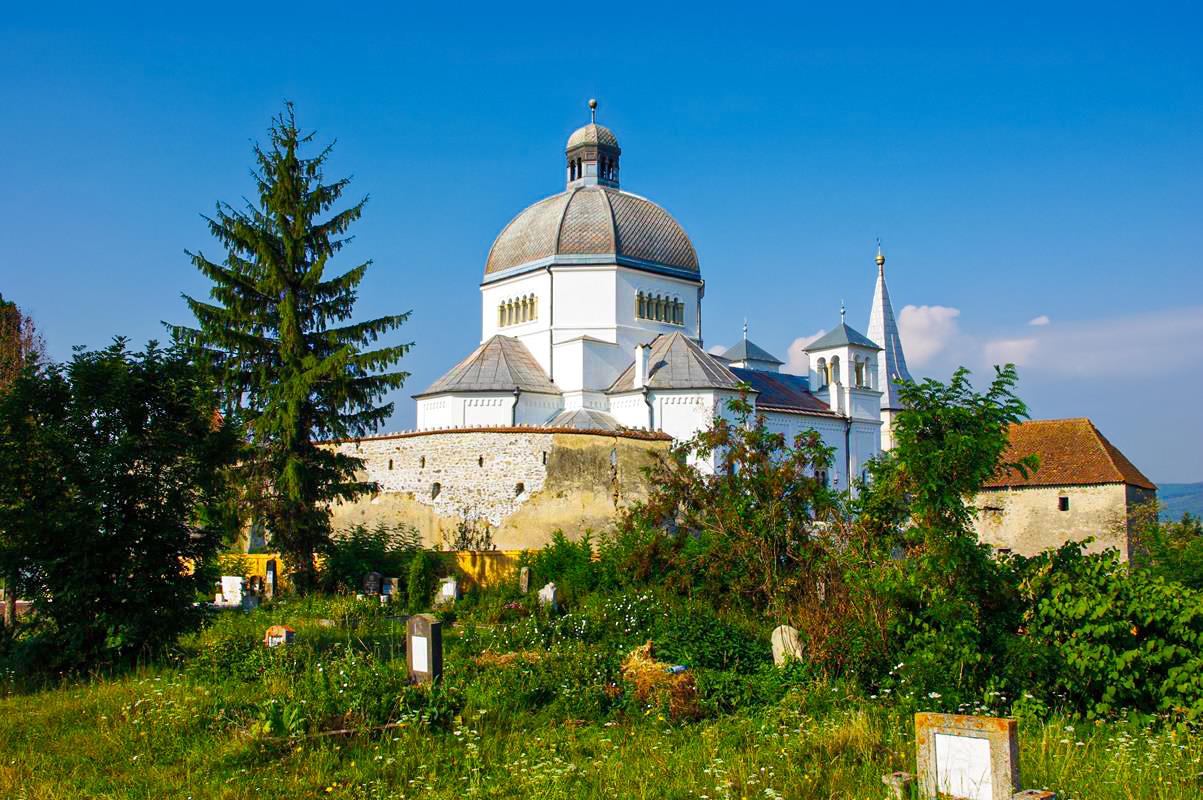
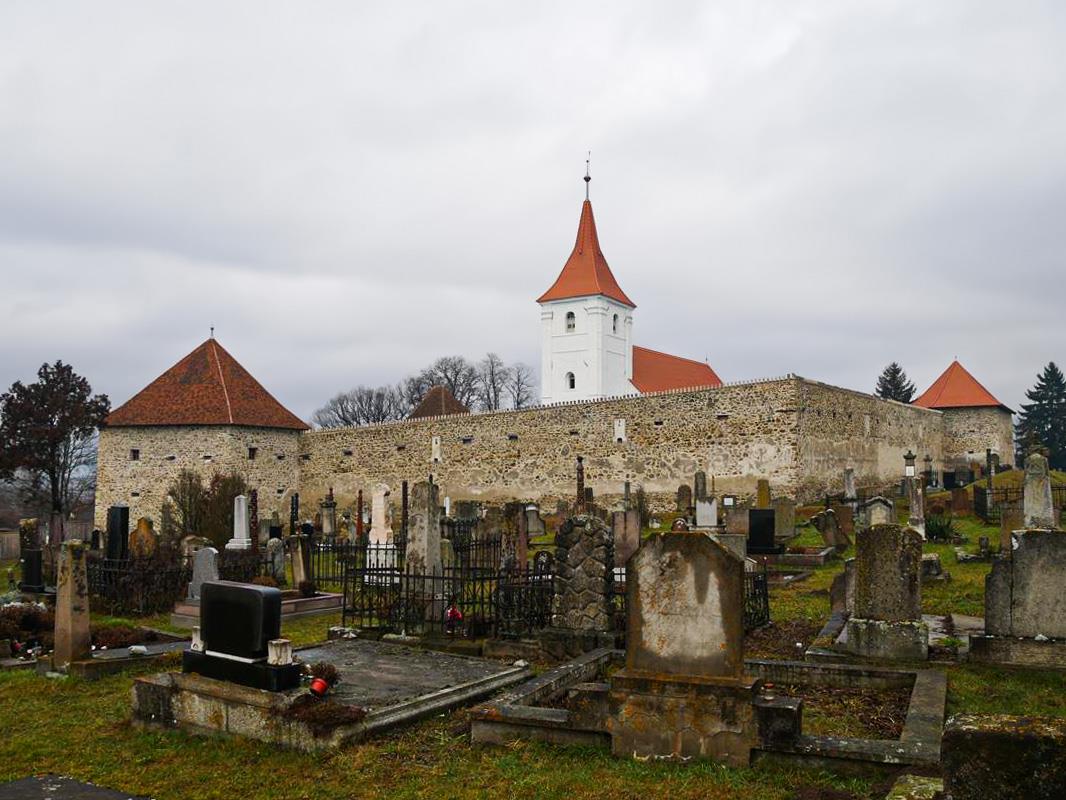
The history and present state of Unitarianism are relatively unknown to the public. Their churches include some of the finest examples of Transylvanian ecclesiastical architecture. Beyond their coffered wooden ceilings and balconies, visitors can admire restored fresco cycles, rare stone carvings, and in some cases, fortified church defenses.
Mihály Servetus was a significant figure in the 16th-century anti-Trinitarian movement and played a crucial role in shaping Unitarian beliefs. His teachings clashed with both Catholic and Protestant authorities, leading to his tragic fate—he was sentenced to death by burning in Geneva in 1553. Despite his brutal execution, his ideas persisted, and he is often regarded as a martyr who courageously stood up for religious freedom.
One of the central tenets of Unitarianism is the rejection of the doctrine of the Trinity. Followers believe in a singular, indivisible God as the foundation of creation and providence. They do not recognise Jesus as a divine being but instead honor him as a moral guide for humanity. This belief leads to Unitarians often being labeled as anti-Trinitarians.
Unitarianism holds that Jesus possessed no supernatural powers and was not of divine origin. Instead, he is regarded as a human figure whose life exemplifies how to overcome human flaws and achieve moral perfection. Rather than viewing him as a savior, Unitarians see him as one of history’s greatest role models.
The Unitarian faith is closely tied to the 16th-century Reformation, which brought profound changes to Europe’s religious landscape. In Hungarian-speaking regions, particularly in Transylvania, Unitarianism emerged under the leadership of Ferenc Dávid, representing a radical branch of the Reformation.
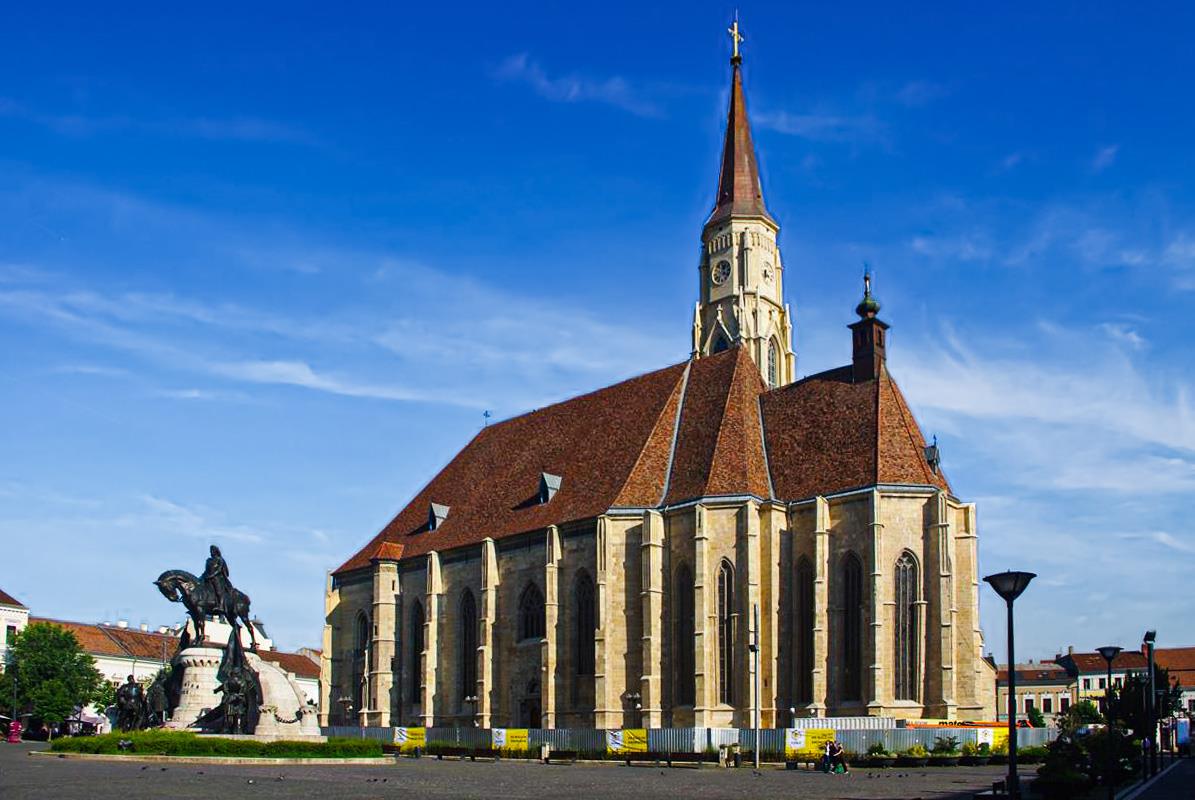
In 1566, the first Unitarian sermon was delivered in Cluj-Napoca, marking a turning point in the Reformation by firmly advocating monotheism and rejecting the doctrine of the Trinity.