Subscribe to our social channels to get the latest news about Hungary!


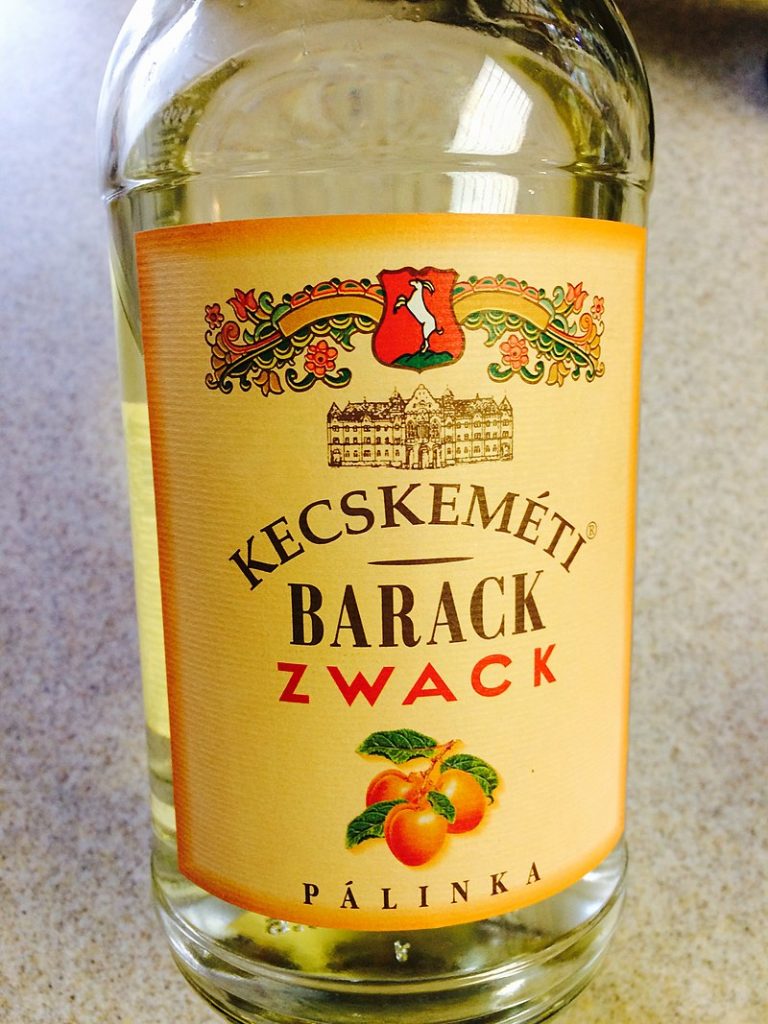
The Hungarian pálinka is probably the best-known alcoholic drink besides our most famous wines. It has a long history and tradition, and it became a part of Hungarian culture a very long time ago. The traditional fruit brandy drink is famous all over the world, but as it is a true Hungarikum, only Hungary and four Austrian provinces are allowed to use the word “pálinka” for the drink.
[button link=”https://dailynewshungary.com/palinka-in-danger/” type=”big” newwindow=”yes”] Is pálinka in danger? [/button]
The usual ingredients of pálinka are plum, cherry, grapes, pear, apple and peach, but in general, this truly Hungarian drink can be made out of any kind of fruit – reports Magyarországom. According to Hungarian law, the name “pálinka” only stands for drinks made in Hungary out of Hungarian fruit and ingredients.
The history of pálinka is as old as the method of distillation. The first drink made with this method comes from 14th-century medieval Hungary. In a 1656 book, it is written that Róbert Károly’s (Hungarian king [1288–1342]) wife Elizabeth cured her arthritis with rosemary aqua-vitae which was distilled alcohol. Another part of the book mentions the Hungarian town of Bártfa in 1438 and describes the equipment the town made to use for distillation.
The first written mention of pálinka comes from 1630 from the Slovakian word “palenka” and meant distilled fruits, cereals and wine at the same time. The first fruity pálinka was born in 1658 in Hungary. From the 17–18th century, archaeologists found several types of equipment which prove that making pálinka became a separate industry in Hungary. The word “pálinka” became part of the Hungarian language in the same period.
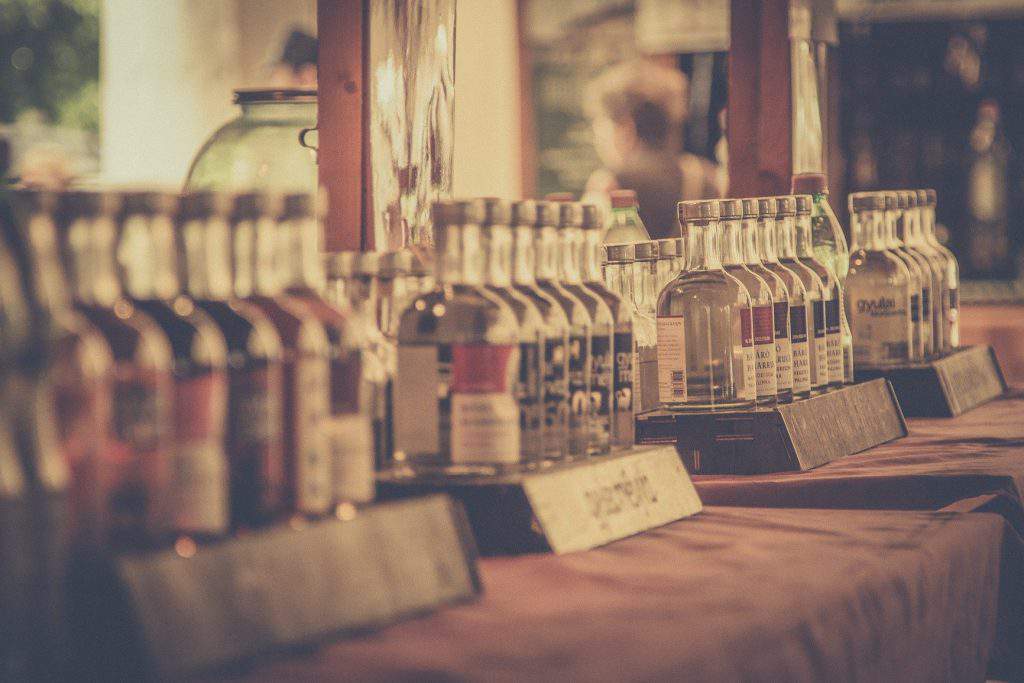
By the 19th century, more than a thousand distilleries were established which produced pálinka for Hungary as well as to export to the international market. During the World War, the production decreased, and several strict laws and rules were introduced which set new standards for pálinka makers in the country. After 1989, the Hungarian factories had to be renovated due to their outdated equipment, and the lack of ingredients was also a serious problem. In 2008, Hungary established the ‘pálinka law’ which protects this Hungarian product all over the word from illegal usage.