Subscribe to our social channels to get the latest news about Hungary!


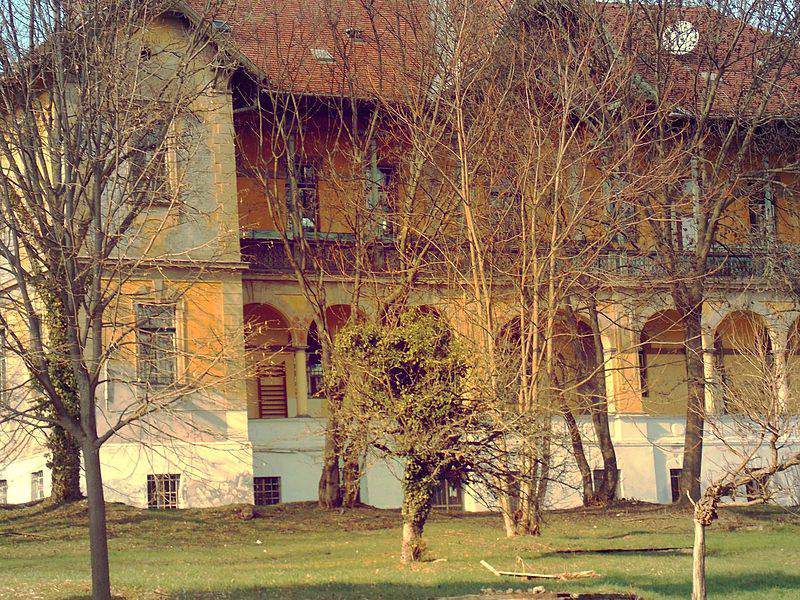
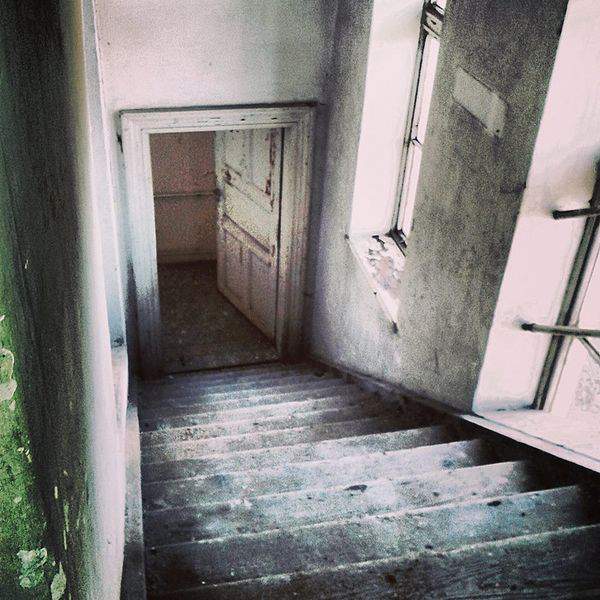
The Lipótmező asylum was built in 1868, and first it was named Hungarian Royal Bedlam. Crumbling walls, dropping plaster, and deathly silence – this is what characterises the mental hospital today. The National Institute of Psychology and Neurology (O.P.N.I.) functioned for 139 years, reports szellemvarosok.blog.hu.
Szellemvárosok Magyarországon (Ghost Cities in Hungary) had a special opportunity of visiting the mental hospital closed in 2007, during which they made an interview with a worker.
The size of the OPNI is simply stunning. The main building built in 1868 is only a few square meters smaller than the Parliament. When I was there I hardly believed my eyes: standing on the end of the corridor, the other end was hardly visible. Dr János Füredi professor was our host, who was the Head of the Psychiatry in the OPNI. He provided us access to parts of the building no one could access back in the day. He told us stories about the past.
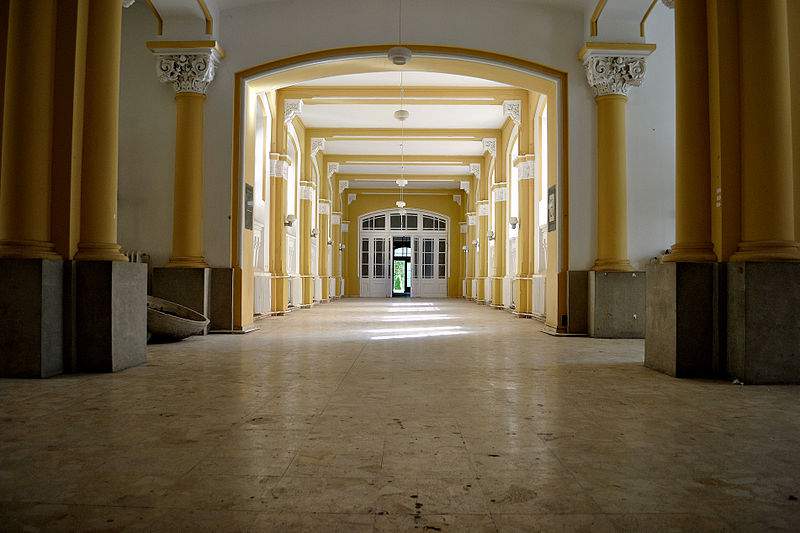
“The Hungarian Royal Bedlam was opened in 1868 under the direction of Emil Schnirch (1868-1884), initially with 300 patients. Schnirch was known for this humane feelings, jovial behaviour, and excellent organising talent. Patients were mainly treated with sedatives, the more fidgety patients were curbed with a straitjacket or were put in a private cell. Harsh methods were not used.
During the Second World War everyone was moved out of the institute, and when moving back, numerous people affected with tuberculosis and more than 150 psychotic and neurotic Soviet soldiers stayed within the walls.”
The work of Dr János Füredi started in the beginning of the ‘60s when he started visiting the institute as a medical student. He remembered in a funny way the beginnings and the words of the head physician at the time about the working of the institute: “There were not many problems with the 1600 patients, but there were many with the 90 doctors and even more with the 13 head physicians…” – implying the confrontation between doctors for the better positions.
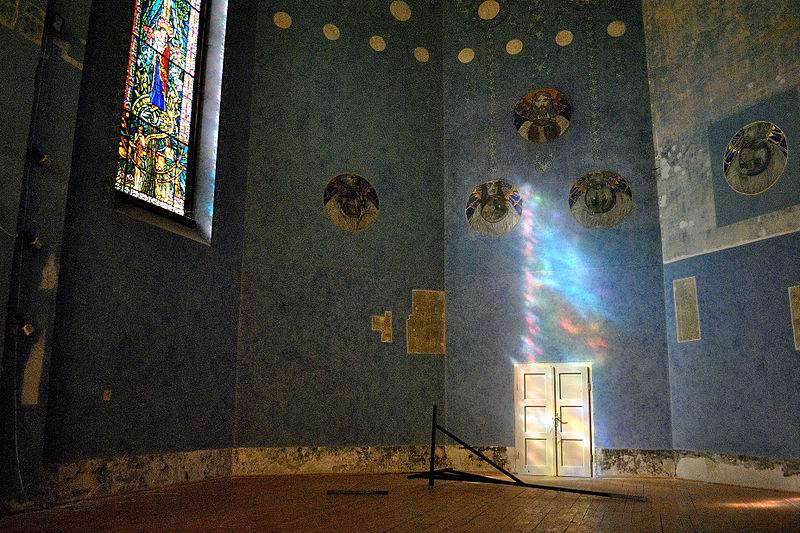
In the ’80s, another wave of modernisation started: co-ed departments were established, and, parallel to this, mental wards were abolished, and the netted beds disappeared from the wards. Patients could move freely, taking possession over the whole building.
“The institution from its inauguration until the beginning of the twentieth century was rather a prison than a place for therapy, since back then the goal was to eliminate the patients from society as quickly and firmly as possible.
Later, with the development of psychiatry and the appearance of newer and better medicines on the market, the patients got a bigger space too. The exceptional patients could even work for money, and the most reliable ones could even work in the city.”