Subscribe to our social channels to get the latest news about Hungary!


In a groundbreaking achievement, researchers at the Hungarian University of Agriculture and Life Sciences (MATE) have successfully cultivated viable mustard plants in lunar soil. Remarkably, the plants thrived so well that they produced three viable seeds—an unprecedented feat globally. The team simulated lunar cave conditions for this experiment.
Despite its small size, mustard seed can yield surprising results, as confirmed by experts from MATE’s Institute of Engineering, including lead researcher György Barkó. NASA has published guidelines suggesting which plants may survive in soil akin to that found on the Moon. These plants must meet strict criteria, such as low water needs, high oxygen production, and the ability to bind volatile organic compounds. Mustard, along with other plants like sage and arugula, stood out in these tests.
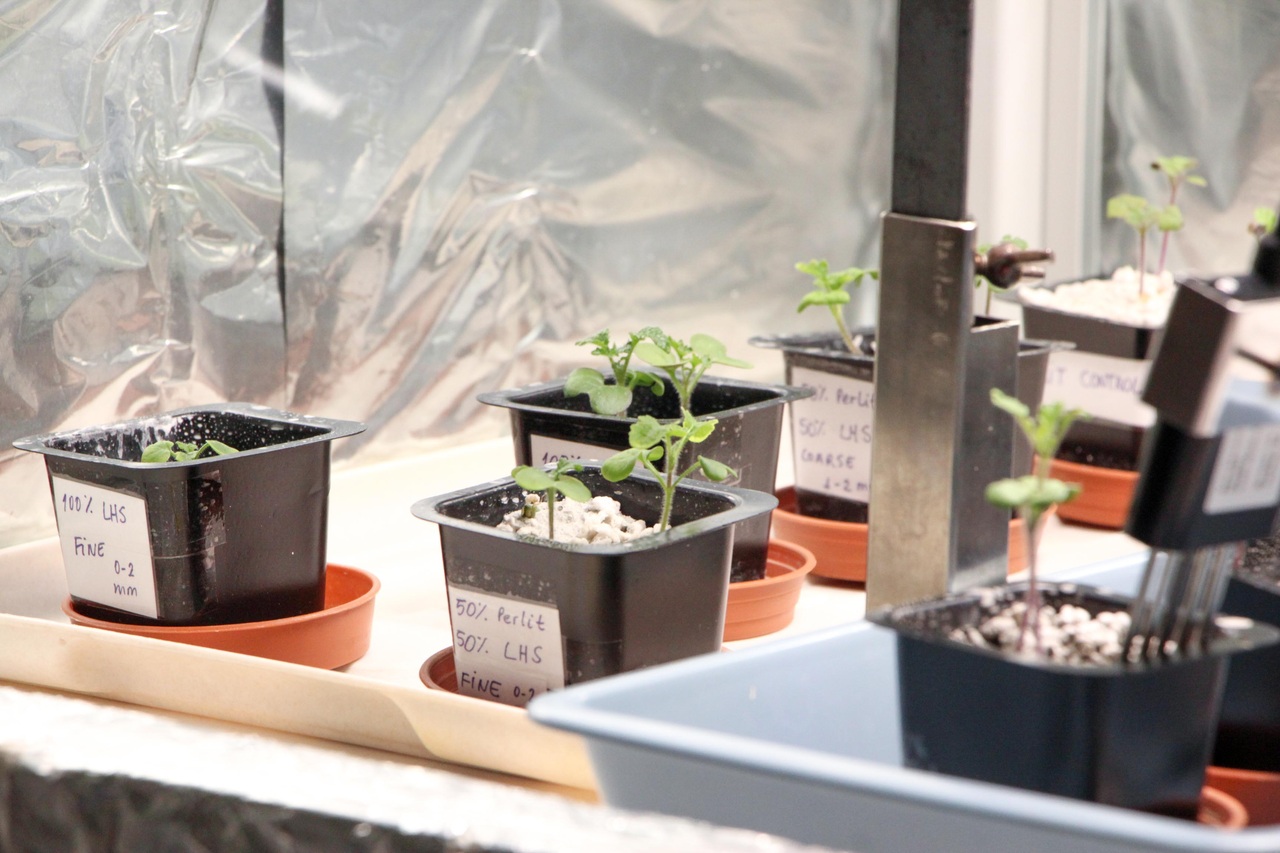
MATE’s researchers demonstrated that mustard is the most promising candidate from NASA’s recommended list. They observed that mustard seeds germinated and grew even with minimal water added to the lunar soil. This discovery marks a significant advance, as it contrasts with previous hydroponic methods, showcasing the potential for growing plants in soil using just a few drops of water. Barkó noted that minimal water could be derived from breaking down existing minerals, like copper sulfate, which releases water upon heating. The researchers emphasised the necessity of a controlled environment to protect plants from radiation on the Moon.