Subscribe to our social channels to get the latest news about Hungary!


When it comes to old age, our perceptions and attitudes have evolved significantly over the past 35 years. Gone are the days when ageing was synonymous with “decline” and “frailty.” Instead, the language we use to describe old age has transformed, replacing negative concepts with positive ones like “independence” and “self-fulfillment.” This social transformation initiated by baby boomers in certain countries of the English-speaking world, such as Australia inspired active ageing, namely, the initiative to lead a healthy and happy life in our later years. The new attitude to ageing – also known as “successful ageing revolution” led to the rise of activities as senior yoga, senior tourism, and retirement clubs. But has the revolution of ageing taken place in Hungary as well? How do Hungarians think and talk about old age?
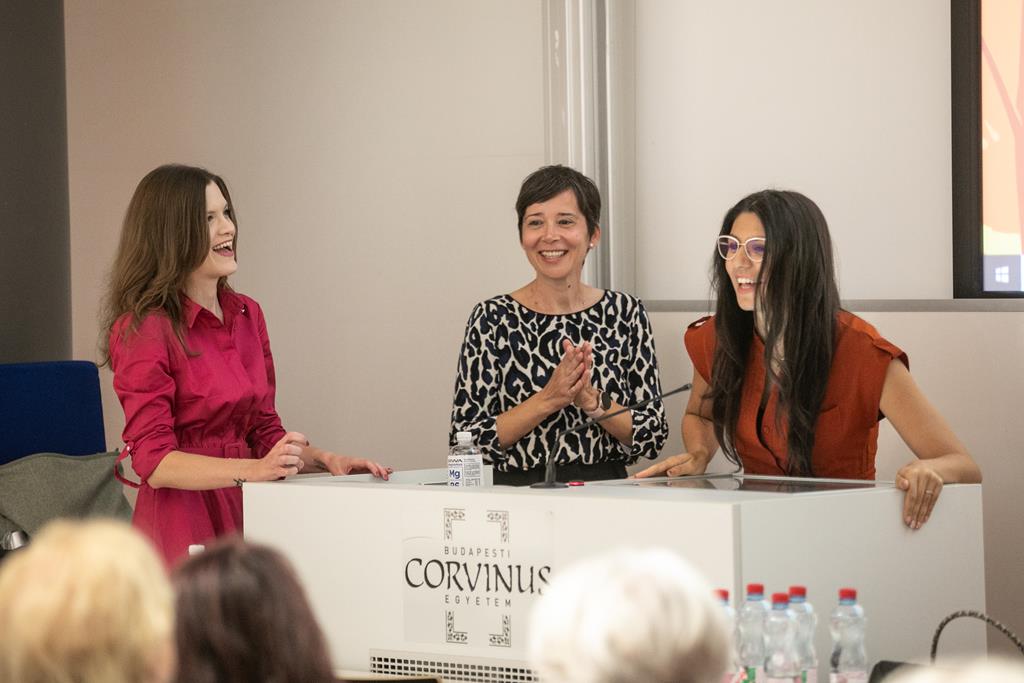
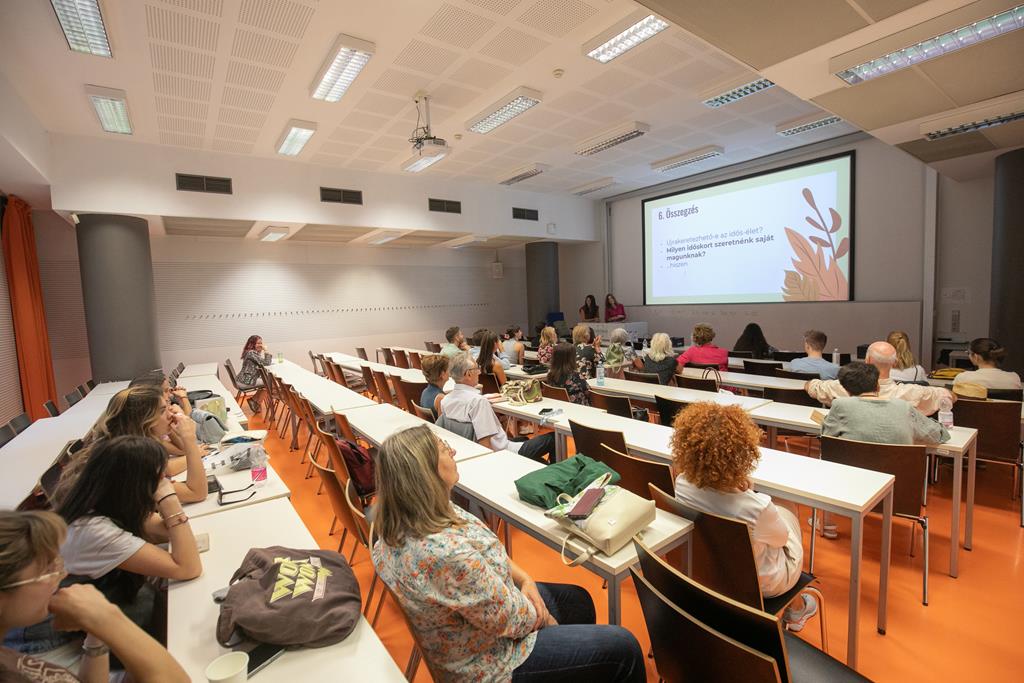
These were some of the questions Réka Benczes, Alexandra Nagy-Béni and Lilla Petronella Szabó, answered in their talk organized as part of the Researchers’ Night, a public event that showcases scholars’ scientific results, at Corvinus University of Budapest at the end of September.
Currently, within the demographic landscape of Hungary, a notable statistic prevails, as one out of every five individuals has surpassed the age of sixty-five. This demographic composition underscores the significance of altering our perspectives and dispelling prevalent stereotypes concerning the elderly population, as well as fostering a more inclusive and empathetic outlook. Equally concerning is how older individuals perceive themselves, emphasizing the importance of promoting their self-esteem, well-being, and dignity within society.
Meanwhile, in the present global context, a remarkable and transformative phenomenon is taking shape – the emergence of what we can aptly term a “successful ageing revolution.” Notably, this trend is not just about longevity; it is also reshaping our perceptions of old age and how we approach our later years. As societies continue to adapt to the “successful ageing revolution,” we are witnessing an era where age truly becomes just a number, and the later years of life are characterized by vitality, productivity, and an enduring sense of purpose. Still, we should ask: is this transformation reflected in language? It is a vital concern, for language holds the power to shape and reinforce societal attitudes.
Read also:
According to Réka Benczes, the response to this inquiry is indeed affirmative. In Australian English, for instance, the term elderly is typically associated with negative stereotypes, while the word senior is indicative of a successful older individual who remains active and challenges preconceived notions. In Hungary, the term szenior is already in use. For instance, Semmelweis Medical University boasts a Senior Academy, and since 2019, the university has been providing complimentary lectures tailored specifically for this age group. Outside the walls of the university, there are events such as the senior happy dance, senior yoga, and senior Wednesday.