Most of the candies and chocolates we consider retro today, were born around the 1960s. Even though the supply of the plethora of sweets seems endless in stores nowadays, there are some brands and products that survived the hardships of the decades and are still popular among Hungarians to this day.
Although it might only bring up nostalgic memories in the older generations, some young people are starting to go back to what their parents and grandparents craved when they were little. According to a survey in 1951, 40% of sweets that people in Budapest consumed were candies, and only 5% were chocolate. Still, this number grew significantly in 1967 when the chocolate they consumed were 20% of the total number of sweets, says Origo.
Most of the Hungarian sweets were made in factories in Budapest as the only worthwhile producer was the Szerencsi Chocolate factory in the countryside, and that was true up until the regime change in the 90s.
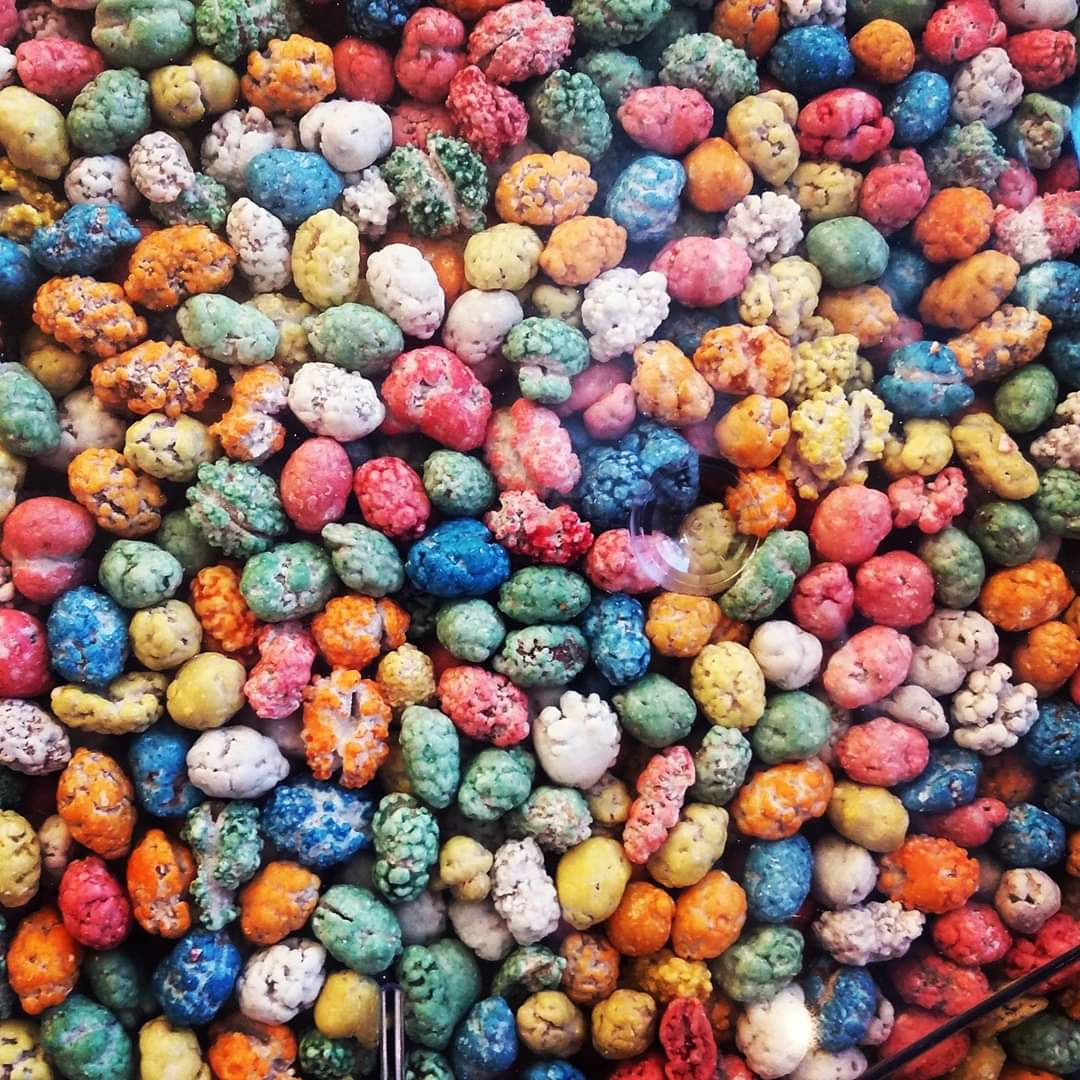
The old packaging of the ‘Dunakavics’ (Danube rocks)
Source: bonbonetti.hu
A few years back, a survey was made about which brands of these sweets are being remembered the most. They asked 1001 Hungarians between 18-69 years old. A whopping 79% mentioned ‘Dunakavics’ (Danube rocks – roasted peanut dragées in coloured sugar cover), 76% said ‘Macskanyelv’ (Cat’s tongue – particularly shaped chocolate ‘bars’). Although they are not as common as they once were, these sweets can still be found on the shelves of many stores. We will introduce some retro sweets that you can even go out and buy today to see for yourself why people like them so much.
The production of the ‘Dunakavics’ started in 1964, and the product still has the same recipe ever since. You can find this delicacy in the stores in blue bags. The name comes from the fact that with the uneven sugar coating, these dragées look like pebbles right from the Danube.
It was the ‘Duna Csokoládégyár’ (Danube Chocolate Factory) that started making them. The company was the inheritor of the beer-making company, Dreher-Maul. There is actually a story behind this peculiar connection. According to legend, the Dreher company fed their by-product from beer making to cows. Before World War II, the company built a chocolate factory for utilising the milk the animals produced, but after the war, the Danube Chocolate Factory inherited their machinery.
The name of Frigyes Stühmer is also connected to the widespread of this sweet. In the 90s, the German Stollwerck AG bought the plant of the ‘Budapest Csokoládégyár’ (Budapest Chocolate Factory) and the new plant was moved to ‘Vágóhíd utca’ (street), and this retro dragée is still made there today.
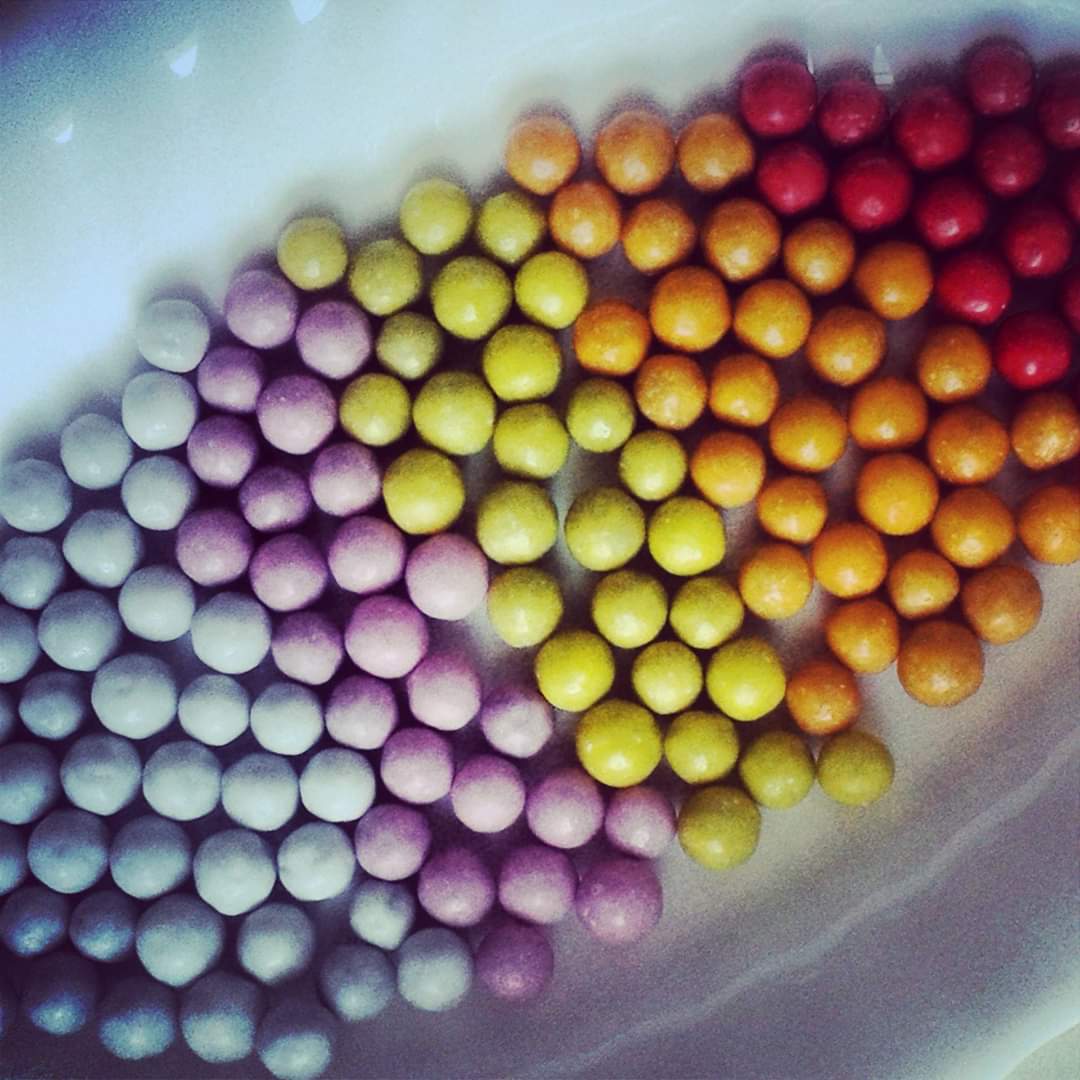
The production of this sweet was simultaneous with the ‘Dunakavics’. The Danube Chocolate Factory started producing them in 1964. The children soon became fond of this chocolate to the dismay of parents and doctors. Crunching the dragées with your teeth can cause damage to the enamel of the teeth and often doctors had to remove these sweets from the nose of children who put it in there for fun.
The recipe is still the original and the current manufacturer, the same as of ‘Dunakavics’, Bonbonetti Choco Kft. sells them in a red package, opposite to the blue ‘Dunakavics’.
These sweets are so popular nowadays as well that you will easily find it in almost any store and there are even three new flavours.
These are 5-8 centimetres long, elongated chocolate bars with wide and rounded ends that somewhat resemble a cat’s tongue. It could be made out of white, milk, or dark chocolate. You can eat it right away, or you can use it to decorate other things with is.
It was invented by Emil Gerbeaud at the end of the 19th century, while others think that the idea came from the Austrian Küfferle company. What is certain is that in Hungary, it was Gerbeaud who served it first for his customers in his confectionary at ‘Vörösmarty tér’ (square). It can now be found in almost all European countries, and it is even popular in Japan.
‘Melba kocka’ (Melba cube – dark chocolate cube filled with pineapple flavoured, alcoholic cream)
The ‘Melba kocka’ was an essential accessory of the cash register area in the ‘70s and ‘80s. You would go to the cashier to buy your groceries, and then you would impulsively buy a few of these and munch on it later. To be honest, you would still find it where it was 40-50 years ago. Next time you are in a shop, ask the cashier if they have any and try out this sweet.
Its packaging has not changed over the decades, and although back then you could only try the pineapple flavour, there are some newer ones you can also eat, for example, there is an orange flavoured one as well. Fun fact: In the Hungarian Academy Awards winner short film titled Mindenki, this is the chocolate the teacher gives to the children.
There are actually three main types of this dessert. One is somewhat similar to the popular Oreo, – it is called ‘Pilóta kakaós’ (cocoa) – but here the filling is chocolate flavoured, and one of the sides is vanilla, while the other is chocolate flavoured biscuit. The other is a vanilla flavoured round biscuit with a hole in it, and its bottom dipped in chocolate, called ‘Pilóta vaníliás karika’ (vanilla rings). The third type is called ‘Pilóta piskótatallér’, which is a sponge cake thaler with a smaller layer of jam on it and the side with the jam is dipped in chocolate to secure the jam. More flavours are available for the jam version, but I am uncertain about the other ones. Personally, the vanilla rings were my childhood favourite.
They manufacture the ‘Pilóta keksz’ since 1960, and its existence is thanks to József Telekesi, who was a determining person at ‘Győri Keksz’ (Győr Biscuit). He was the one who made decisions about product development, and he pushed the development of this particular sweet snack.
The idea might have come from the fact that in World War II, the survival kit of pilots had biscuits in them.
After the regime change and privatisation, a new production line was put in place in Győr, where they replaced the former Soviet ovens with Dutch ones and they were able to bake twice as much (previously 500kg/h), 1 tonne of biscuits every hour to be precise. They originally started the production in Győrsziget, but in 2006 Danone decided that they were going to move production to Székesfehérvár. Next year the new owner, Kraft Foods did so, but in 2012 their name changed, and now the brand is the property of Mondelez International (Mondelez Hungária Kft.).
‘Sport szelet’ (Sport bar – rum flavoured dark chocolate coated bar)
When you talk about retro Hungarian sweets, I think you should at least mention ‘Sport szelet’. It is an iconic chocolate bar that will probably live another century to be honest. It is straightforward and very popular still. Since the beginnings, they changed their packaging, and they now sell larger bars (the original was 25 grams).
This chocolate was born in 1953, and the original packaging depicted a discus thrower. Since then, the recipe is still the same, only the sizes grew. There is also a new flavour with coconut and caramel, and I am not sure whether they still sell it, but a few years ago they made ice cream Sport bars. In 2013, its manufacturer, Mondelez Hungária Kft. told the press that they produce 46 Million bars a year and that Hungarians consume 1,800 tonnes of this chocolate.