Subscribe to our social channels to get the latest news about Hungary!


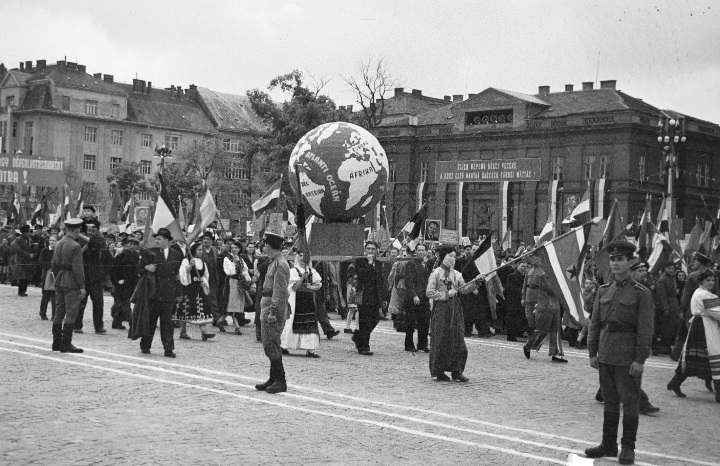
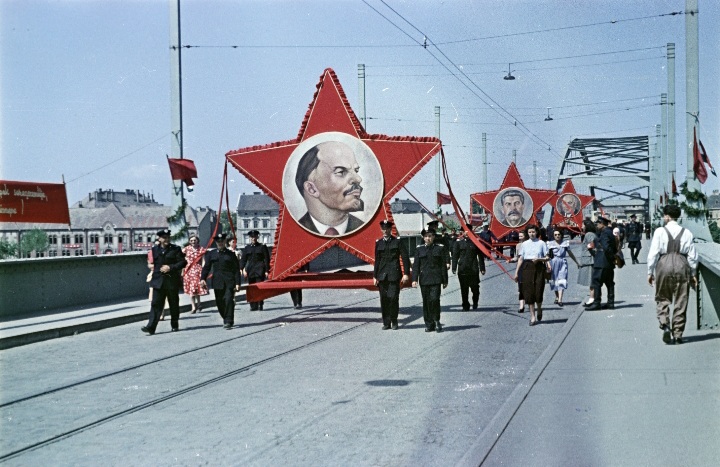
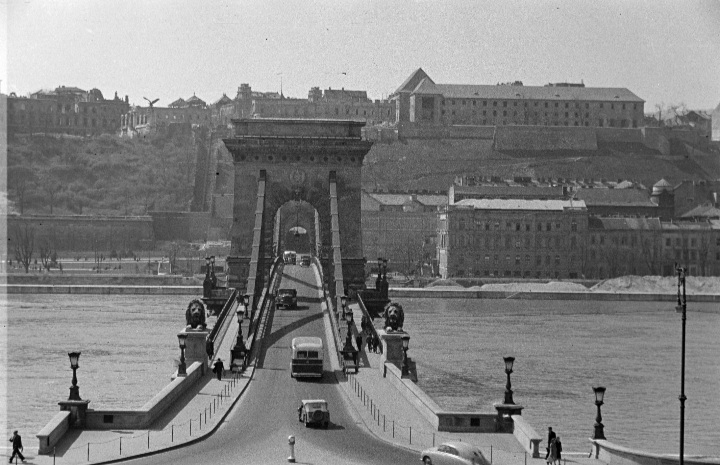
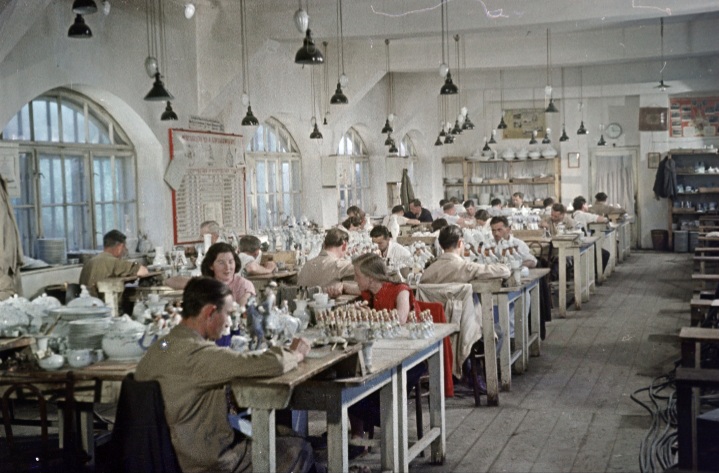
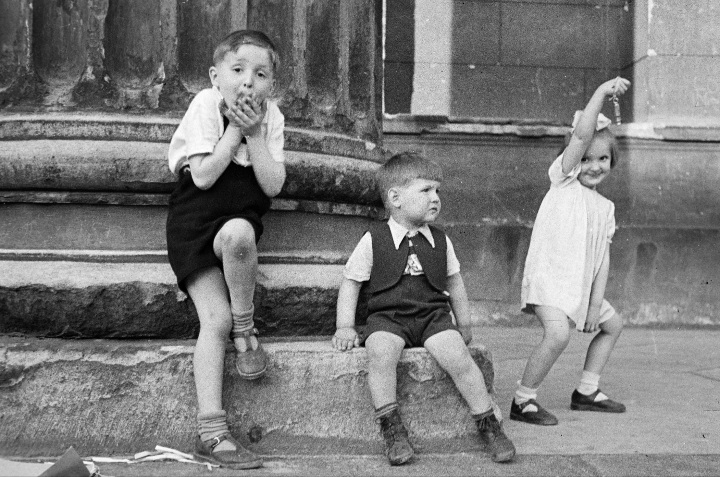
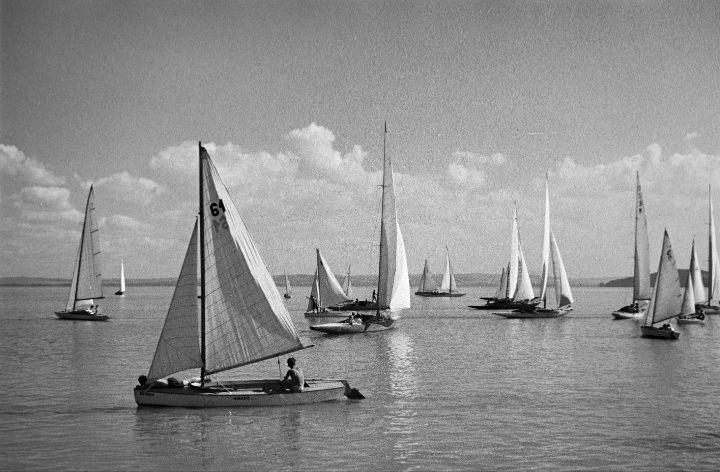
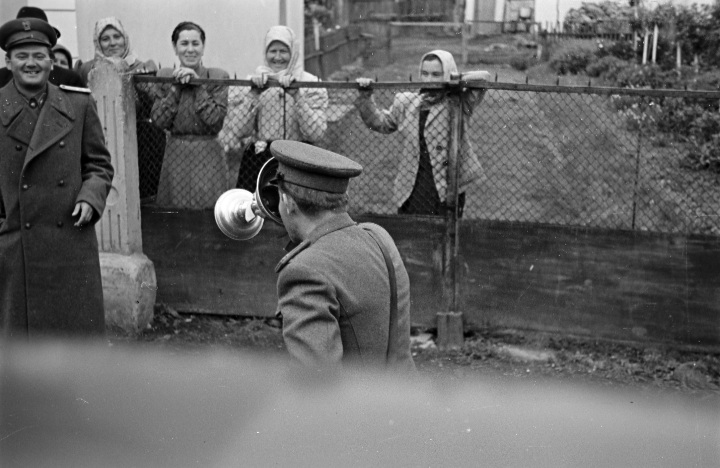
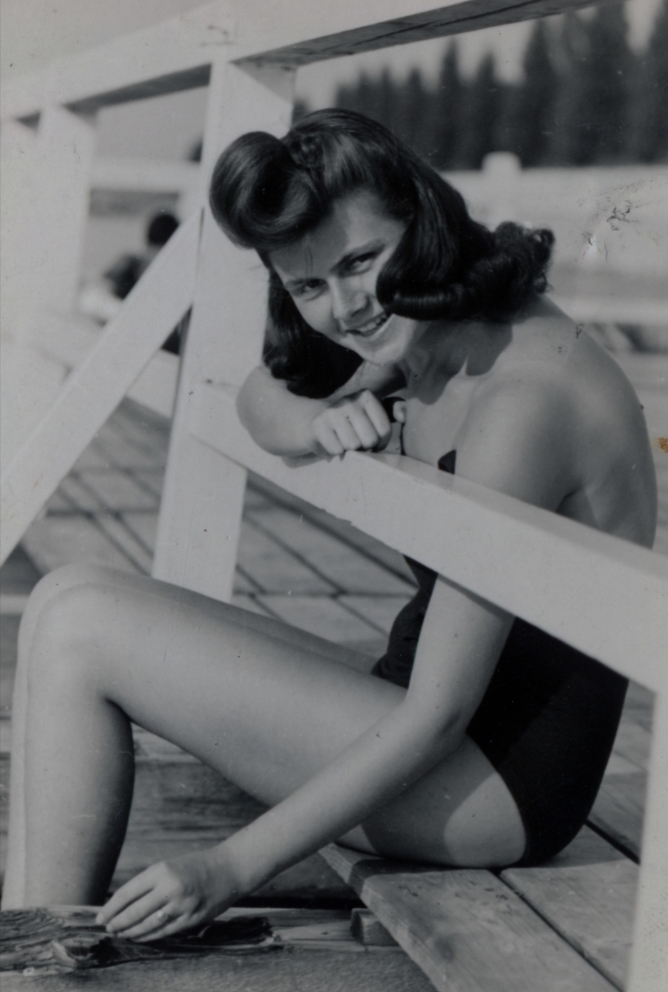
Needless to say, life was very different back then in ’50s Hungary than it is now. However, many believe that the world is going backward again with the current economic crisis and general social unrest. If you also get the blues reading the depressing news, we thought to cheer you up with this rare vintage photo gallery from ’50s Hungary. While you are here, you can also learn what everyday life was like in this distant weathered era.
The post-WWII era brought dark ages to Hungary as the country fell under the occupation of the Soviet army. After the immense destruction of the previous decades, the government set the reconstruction of the war-torn country as its main priority, or at least that was their propaganda. In parallel to this faux noble idea, the party in power set off to completely restructure the national democracy as part of the communist takeover.
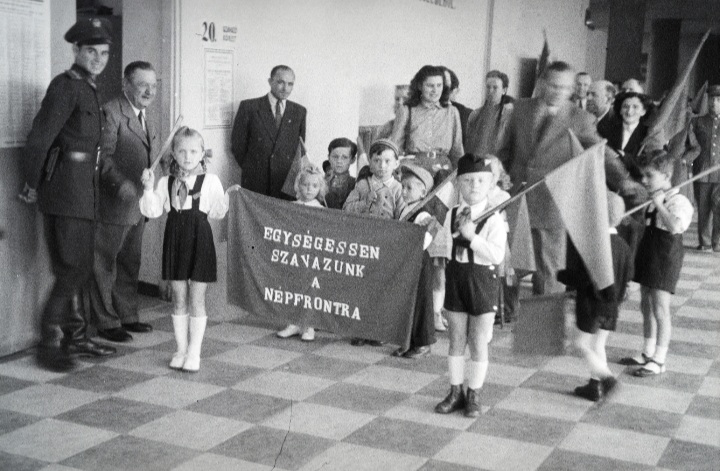
The new political system meant significant changes regarding all aspects of life, which negatively affected both families and individuals. The socialists pledged to abolish all social inequalities and unfairness, however, in the process of doing so they disregarded deep-rooted traditions and customs. The political pressure had a disruptive effect on all kinds of human relations, causing deviant behaviour and all types of neurosis later on. In regard to the dietary customs of the society, Hungary saw a slight improvement compared to pre-war levels. Even though, certain goods were still rationed (bread and meat tickets were reintroduced in ’51), most of the workers had access to cheap, cooked meals at least once a day, at the work canteens. It was the decade when school meal programmes started to become more widespread all over the country which lifted a huge burden off working parents’ shoulders.
Those who filled important positions or belonged to the upper class (the bourgeois and the landed gentry) in the past regime before ’45 either fled the country or took on ordinary jobs unless they were not already imprisoned. Deprivatisation was also a characteristic concept of these weathered ages. The peasantry, in order to avoid the government’s pressure, moved to the big cities even if it meant leaving their lands behind. To ensure social equality, authorities were rather focusing on depriving the affluent of their wealth instead of lifting up the poor. Nevertheless, the government made sure to provide jobs for everyone while keeping the wages low, except in the case of the political elite who were given spacious homes and high-quality food articles. The Rákosi era, followed by Imre Nagy’s overtaking, loudly proclaimed the success story of the new regime. Unemployment was nearly non-existent while health care became free for virtually all members of society and so did education as well as nursery and kindergarten services. More and more people from the villages joined the urban working class, along with women from previously single-income households.
Read more: 33 years ago today, Hungary tore the first hole in the Iron Curtain – PHOTOS
As a result of the increased workforce, modernisation accelerated in an unparalleled fashion. The number of powered villages grew, and radio programmes and cinemas became available to a larger crowd. Although personal vehicles were still a rare sight in the country, motorcycles had gotten popular among the working youth who were finally able to afford them. Hungarian healthcare underwent a considerable improvement with the arrival of new medicine and especially the introduction of antibiotics. Doctors treated fewer and fewer syphilis and pulmonary patients. The rate of child mortality also decreased significantly while the average life expectancy rose. At the firms as well as in transportation, commerce and offices, workers were now eligible for pensions.