Subscribe to our social channels to get the latest news about Hungary!


Referring to the issue of whether abstentions were counted or disregarded under European parliamentary rules in the vote to open the Article 7 procedure against Hungary, the head of the Prime Minister’s Office said on Thursday that the government’s assessment was that the Sargentini report did not receive the required two-thirds majority.
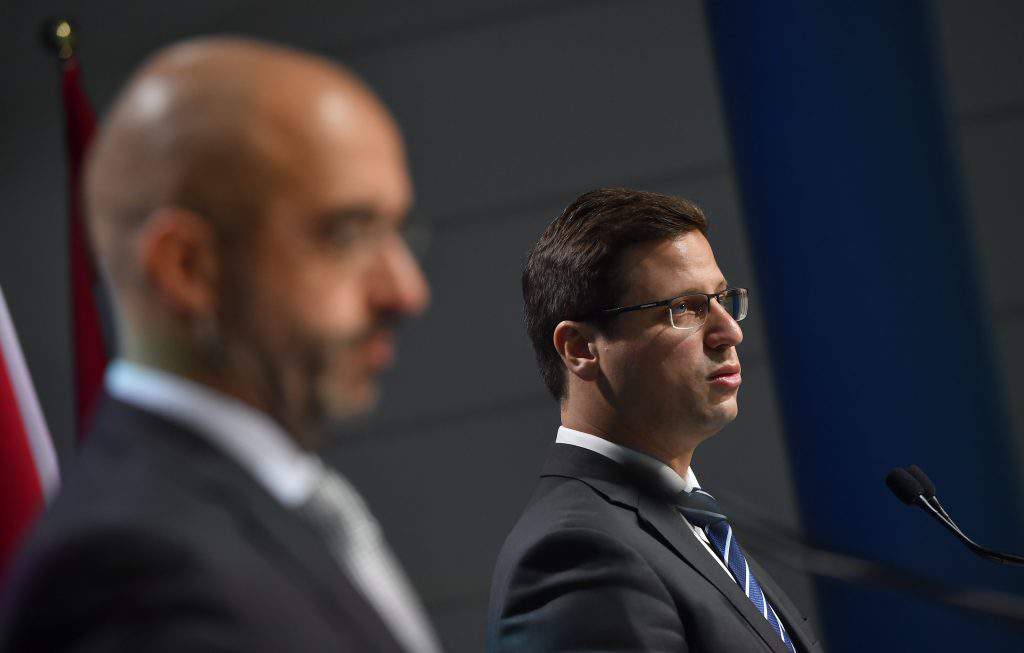
Under the EU’s Lisbon Treaty, a vote by two-thirds of MEPs would have been required for the report’s approval, and abstentions should have also been taken into account in the vote tally, Gergely Gulyás told a press conference. With the abstentions counted,
the report would have failed to secure a two-thirds majority, he said.
Gulyás said he did not believe that the EP’s house rules contained any provisions saying that abstentions should not be counted in a vote.
The procedure cannot move forward until Hungary settles the legal dispute over the matter,
Gulyás added. The cabinet will meet to discuss EU-related matters on Monday and it will decide on steps to take in connection with the report on the rule of law in Hungary drafted by Green MEP Judith Sargentini.
The minister underlined the government’s view that the report was not really about the rule of law. Instead, the issue of migration was the factor that determined its adoption, he said.
He said
the government had refuted every single critical remark in the report.
The government considers it “unacceptable” that the report includes issues which Hungary had already settled with the European Commission, he said. If these cases can later reappear as “charges” in another EU document, then the commission’s role of “guardian of the Treaties” loses its meaning, Gulyás argued.
He said “pro-migration” politicians were currently the majority in the EP, and this was why next year’s European parliamentary elections — where voters will get to have their say on migration — would be crucial.
“We hope that the forces opposed to migration will make up the majority in the European Parliament formed n 2019, or that at least they can make up ground on the pro-migration forces,” Gulyás said.


