Subscribe to our social channels to get the latest news about Hungary!


The Croatian minority in Hungary consists of at least seven (some claim even twelve) different subgroups that speak different languages and arrived at different times. The Croatian language has three main dialects (“sto”, “kaj” and “ca”) and several minor ones. They are one of the most diverse and varied minorities living in Hungary.
According to Magyarhorvatok.hu, multiple groups are living in Hungary. Croatians residing around Mohács are the Šokci, while those living alongside the Drava are mostly from Herzegovina. The Croatians living near Baja are primarily Bunjevci. In the area of Budapest and Szentendre, most of the Croatians came from Dalmatia. The Croatians residing in Western Hungary are mostly called Grádistye Croatians.
The different minor groups are still all connected by the fact that they are mostly Roman Catholics, which differentiates them from other Balkan Slavic people.
Croatian people came to Hungary in multiple waves during more than a thousand years, first of them being the settlers on the banks of Drava in the Árpád era. According to Sulinet.hu’s respective page, the largest masses of Croatians moved in before and during the Ottoman occupation of the country, and as the result of the migration processes after the liberation of Hungary from the Ottoman rule.
The golden age of the Croatians of Hungary is usually thought to be the era from the 18th century until the early 19th century.
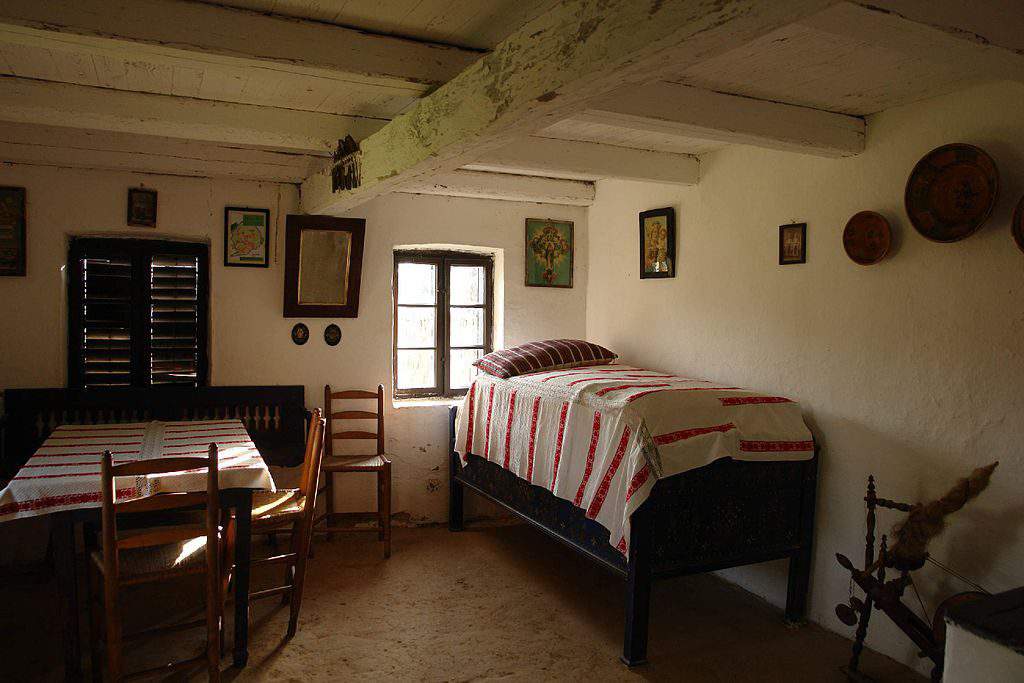
Both their numbers and their status in the Hungarian society were at its peak at that time. A lot of settlements existed where Croatians made up the majority of the population. Most of them, unfortunately, have a much smaller Slavic presence today. There were Croatian villages in the northern areas of Somogy County in the 18th century. Búzsák, for example, is famous for its embroidery, which has Croatian origins. In the late 1700s, settlements with Croatian majority slowly became more mixed ethnically, and the Hungarian nation began to assimilate the Croatian groups.
The Treaty of Trianon meant a national catastrophe for the Croatians living in Hungary, too. First, their connection to their motherland ceased to exist due to diplomatic and sociographic reasons. Secondly, many Croatian groups were divided by the new borders, just as the Šokci and Bunyevci in Bácska and Baranya or the Grádistye in Western Hungary. The Grádistye were separated into three countries: Hungary, Austria and Czechoslovakia.


