Subscribe to our social channels to get the latest news about Hungary!


Our team is committed to reaching out to and giving a voice to foreigners who have moved to Hungary for work, family, or other reasons, and who spend their daily lives here. We want to understand how they feel about living here, what difficulties they face, how they have managed to integrate, and what they think about Hungary and their place of residence. Therefore, we have launched a series in which we interview foreigners living here about their work and experiences in our country.
Please read this intriguing piece from Hanjing Lai, a school advisor and entrepreneur living in Budapest!
What does it mean to belong to more than one culture? You may have various answers to this question. For me, growing up with Chinese traditions, Hungarian surroundings, and an American education, it has been a journey of inner growth and outward discovery.
I was born in China, in a typical Chinese family. At the age of 10, my parents and I moved to Hungary. Then, at 18, I left to pursue university studies in the United States. Since then, I’ve worked in both Boston and Beijing. Today, I live and work in Budapest—the beautiful capital of Hungary.
If you’ve grown up in a multicultural environment, you’ll know that people are often curious about: “Which country do you like the most?” “How do you identify yourself?” “What was it like growing up between cultures?” These are common and valid questions.
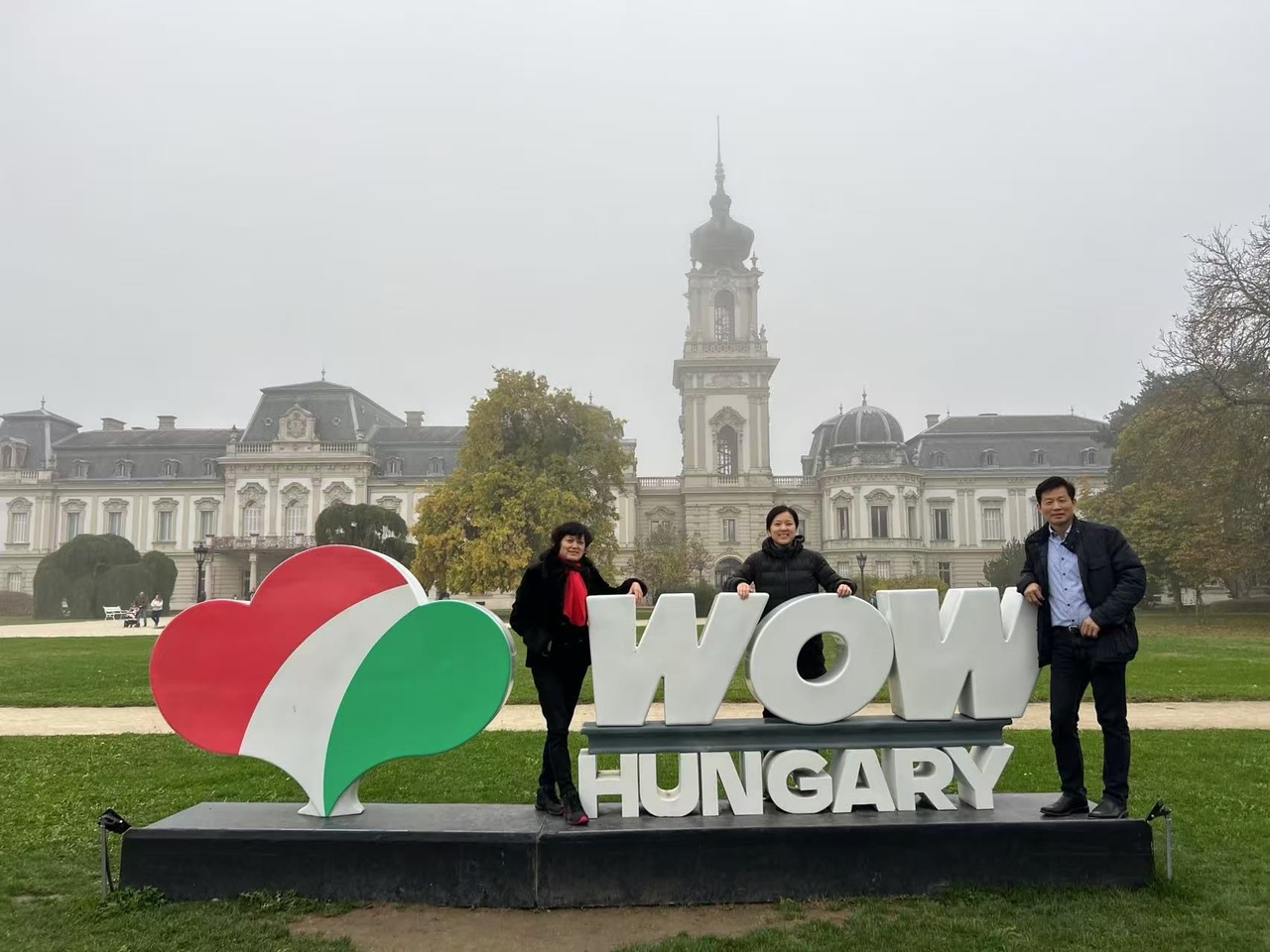
My honest answer as an adult is that I feel enriched by having these special experiences. But growing up, I did experience moments of confusion, disconnection and sometimes hardship. For example, in Chinese families—at least in my generation—praise is often subtle or withheld, whereas Western parents and teachers tend to be much more vocal with praise and more generous in giving positive feedback.
The language of love is also expressed differently. In Chinese and many other Asian cultures, love is often shown through caring actions—like preparing your favourite meal or quietly meeting your needs. I remember how difficult it was for my father to say “I love you.”
Over time, I’ve come to understand and appreciate these various cultural expressions of love and care. This unique upbringing has shaped my passion for fostering cultural understanding—especially in the field of education and business exchanges. Working with families and individuals from diverse backgrounds, I’ve seen how my own journey can inform and empower others navigating the experience of growing up between cultures.
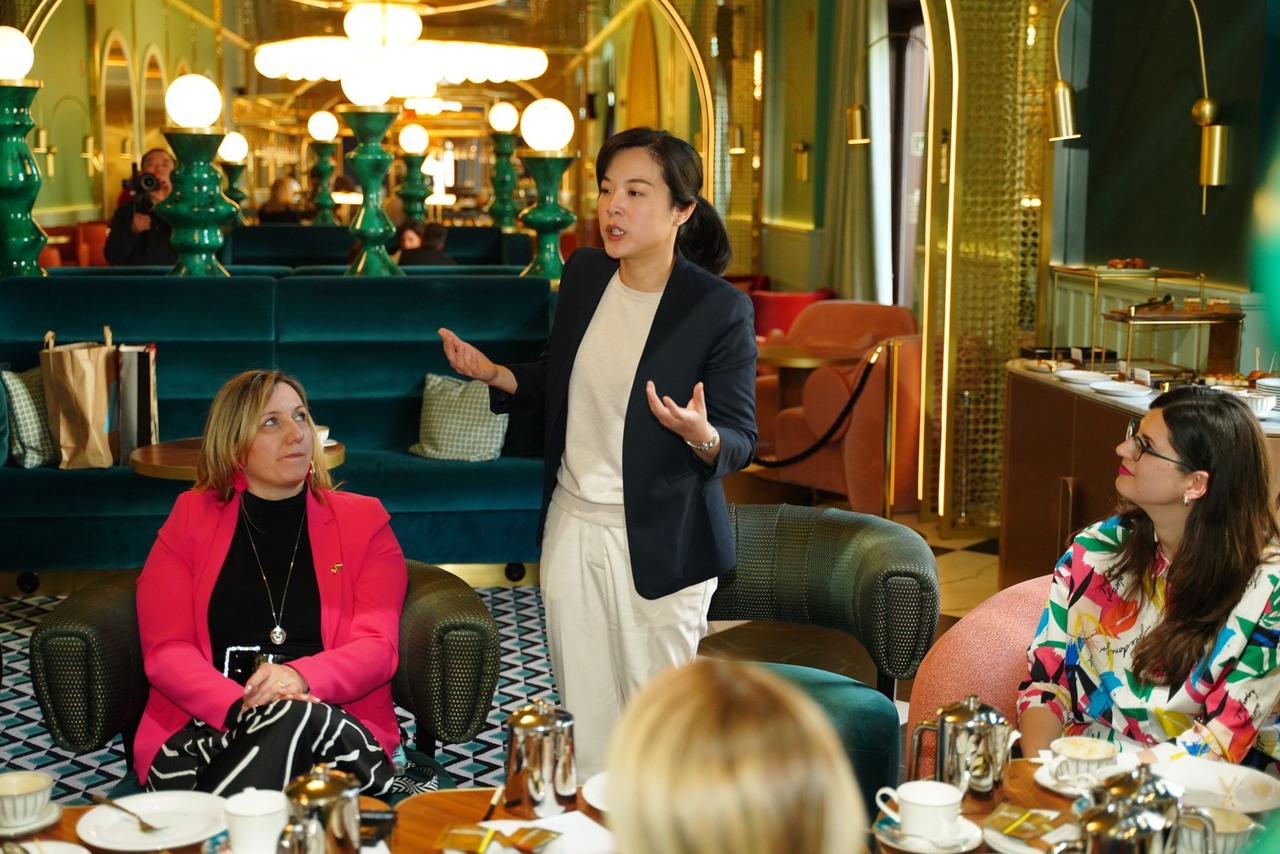
As a working professional in Budapest, I find many things to enjoy—and a few things I’m still learning to better understand and adapt to. Having lived and travelled across three continents, I’ve learned that life doesn’t always unfold as imagined. But what matters most is doing our best to make the most of each day.
Budapest certainly has its charms. I find most people here to be friendly, especially the younger generation. I believe this openness stems from increased interaction—both within and beyond Hungary’s borders. I enjoy those spontaneous conversations you sometimes have with strangers while sitting on a park bench. And I genuinely appreciate that Budapest has so many public benches—it’s a small detail, but it adds greatly to the city’s comfort and livability.
In general, I’ve found that building connections with Hungarians often takes time. Language differences aside, cultural differences also shape how quickly trust and familiarity develop. Still, I’ve made a few Hungarian friends—true friends—and I value those relationships deeply. Within expat communities, people are generally more open, as everyone comes from different backgrounds and shares the experience of living abroad. As a personal observation, I’ve noticed that people outside of Budapest—especially in smaller towns—often come across as even warmer and more welcoming.
Learning a bit of Hungarian definitely helps when it comes to forming meaningful relationships, and it’s something I believe is essential for anyone planning to stay long-term. I still work on my Hungarian language on a weekly basis, but truthfully speaking, it’s challenging. That said, it does come in handy when I need to visit government offices for various documents and IDs.