Subscribe to our social channels to get the latest news about Hungary!


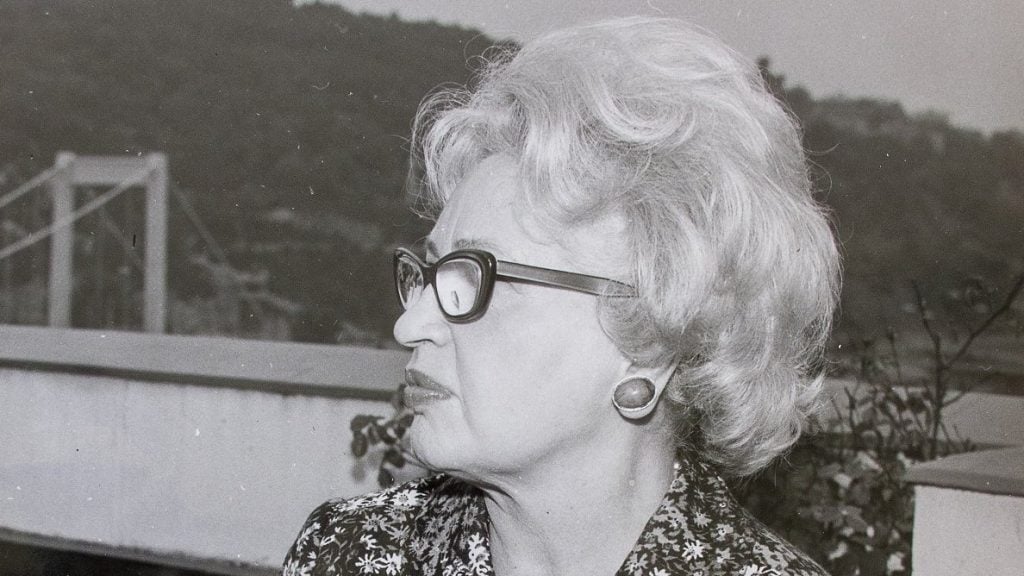
Even though many believed she was connected to the influential European banking dynasty, Klara Rotschild truly made a name for herself in the world of fashion without having any famous ancestors. According to urban legends, when a new customer asked if she was related to the Rothschilds, she would effortlessly reply, “Nope, just call me the queen of fashion.” This fearless fashion icon, who endured the challenges of war, years of Jewish persecution, and the hardships of Communism, is often hailed as Hungary’s very own Coco Chanel.
Klara Rotschild often playfully claimed that she was born on a late February day in 1903, right on top of a sewing table, referring to her tailor father Abraham Rothschild and seamstress mother Regina Spirer. In her early years, young Klara learned the trick of the trade in her father’s prestigious store situated in downtown Budapest, frequented by the country’s aristocrats. Following her parents’ divorce, she accompanied her father on work trips to the fashion capital, Paris, where she cultivated a keen eye for class and timeless elegance.
In contrast to the societal norms of her era, Klara married relatively late at the age of 28. While her husband was a wealthy textile merchant, it was the substantial sum she received from a high-profile sexual assault case, covered by both the court and the press, that enabled her to open her first salon.
Read more: Hungarian Nanushka is Europe’s fastest growing fashion company, according to Financial Times
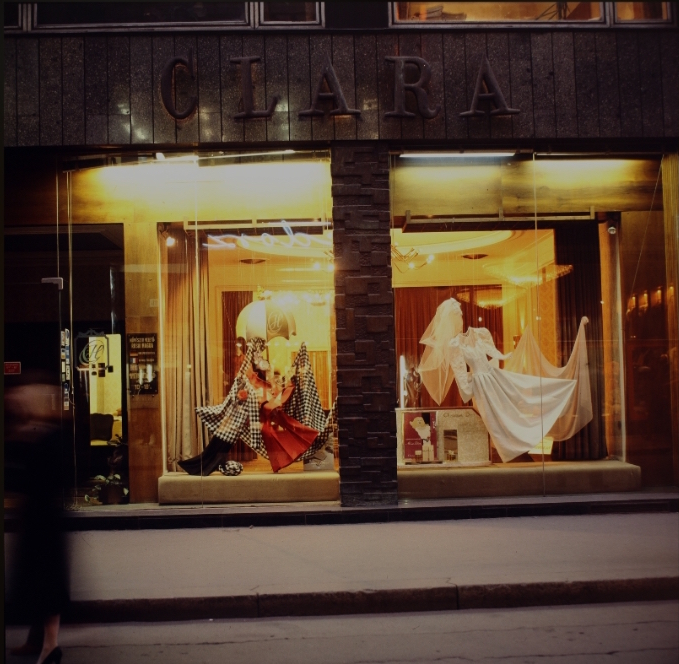
Klara’s career skyrocketed as her salon, known for offering the most exquisite and sophisticated garments labeled with ‘CR,’ gained popularity among both local and international clientele during the Communist era. Managing a salon in the Soviet Bloc was an exceptional achievement. Sadly, Klara Rotschild’s privilege was short-lived, as all private businesses had to be nationalised as part of a state order in ’52. Not only did she style the Communist elite, but she also catered to high-profile customers like Jacqueline, the wife of Louis Joseph Cartier, and the mother and sisters of the Egyptian king, Farouk. Whenever foreign delegations visited Hungary, Klara’s salon was a must-visit spot, often recommended by the regime’s leaders. Legend has it that her beloved poodle, named Vogi after Vogue, was a gift from the wife of former Yugoslavian President Tito.


what a sad story