Subscribe to our social channels to get the latest news about Hungary!


On 12 February 2025, the world will celebrate Italian Design Day (IDD) for the ninth time. Launched as a promotional initiative by the Italian Ministry of Foreign Affairs and International Cooperation and the Italian Ministry of Culture, the event will feature numerous global activities centred around this year’s theme: ‘Inequalities – Design in the Service of a Better Life.’
This year’s Italian Design Day theme aligns closely with the upcoming Milan Triennale international exhibition, running from May to November, under the title: ‘Inequalities. How to Mend the Fractures of Humanity.’ Italian Design Day 2025 highlights and examines the role of design in mitigating the negative effects of inequality on individual well-being in everyday life. The theme extends to areas such as urban rehabilitation and sustainable urban transformation, where design and architecture contribute to new community models, accessibility to structures and services, and sustainability as a means of social progress.
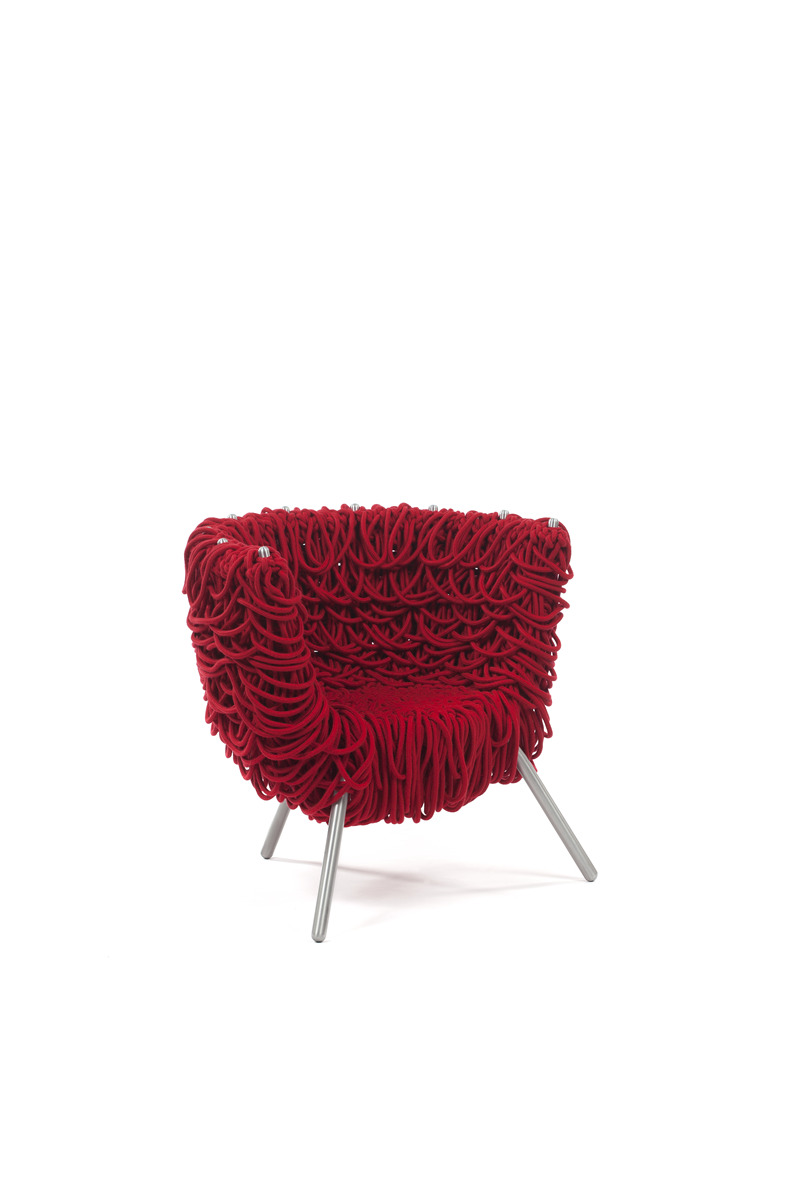
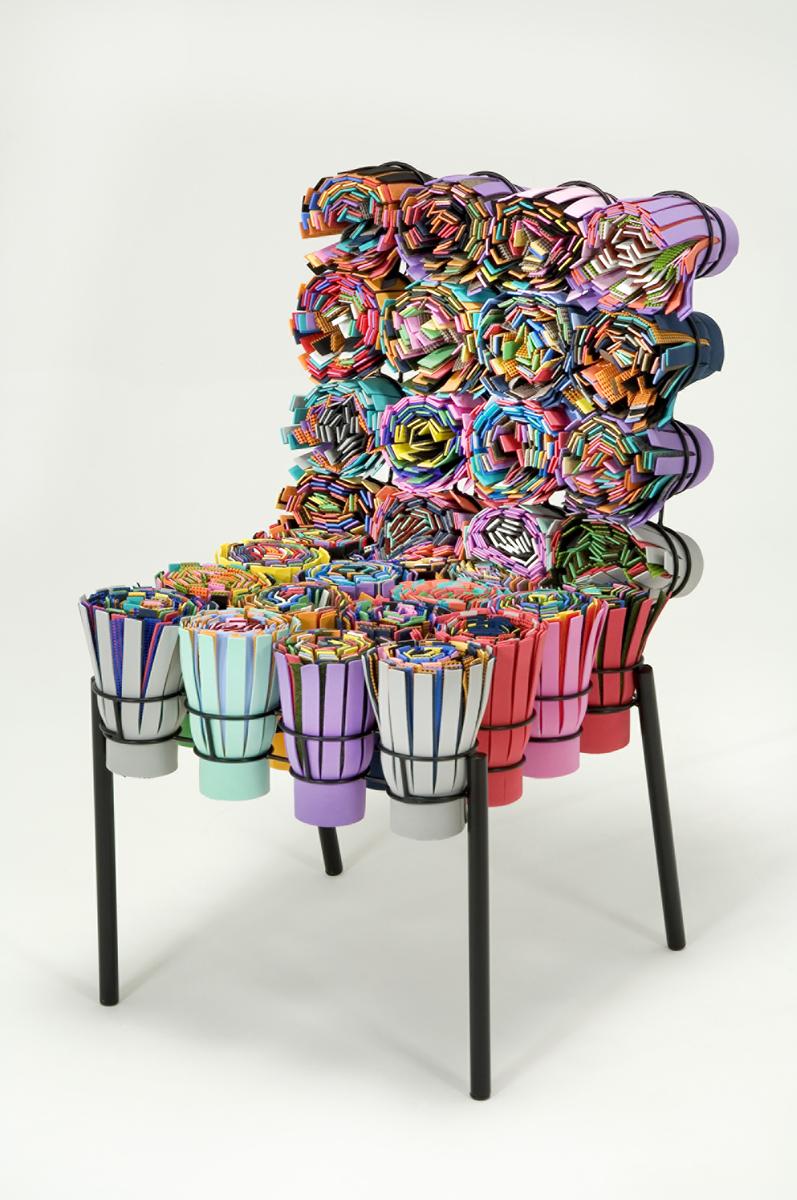
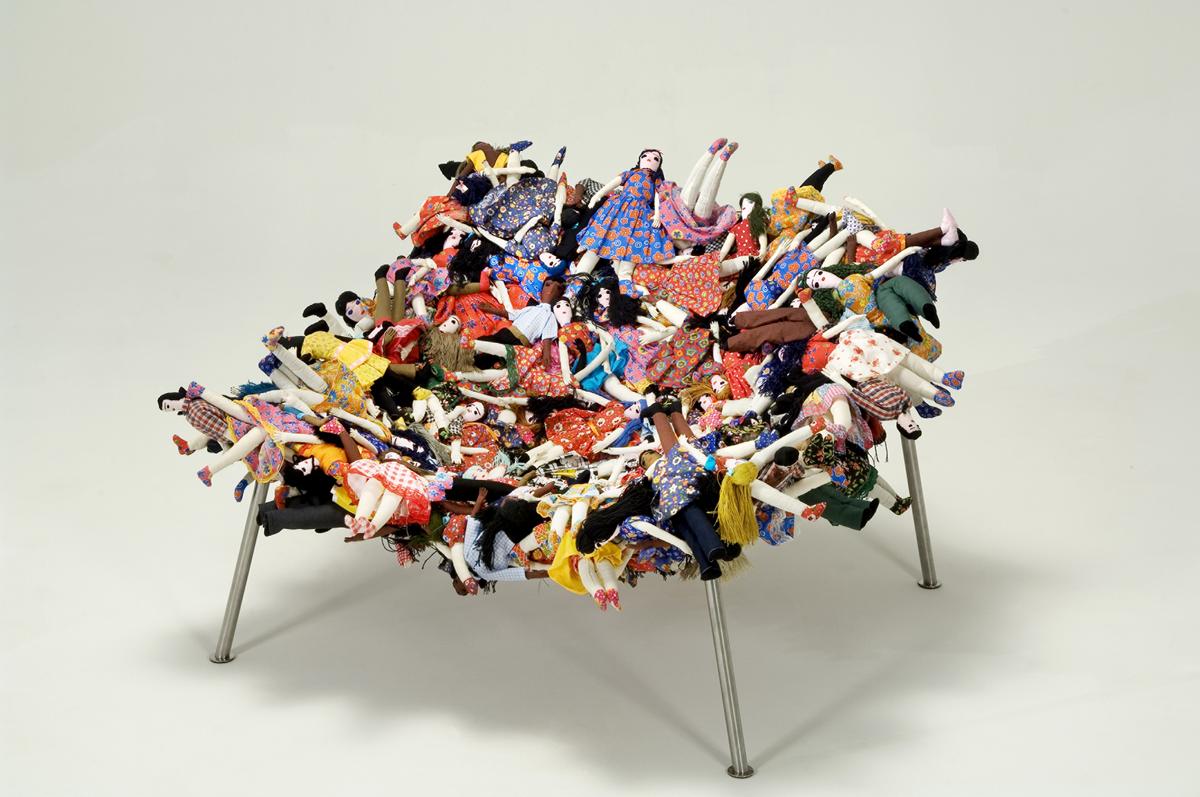
To mark Italian Design Day in Budapest, the Italian Embassy, the Italian Trade Agency (ITA), and the Italian Cultural Institute organised a two-part event at the “Federico Fellini” Cinema Hall of the Italian Cultural Institute. This year’s Italian Design Day commenced with a screening of the documentary We the Others, presented by one of its authors, Maria Cristina Didero, who also serves as this year’s Italian “Design Ambassador.” The documentary explores the life, vision, and revolutionary influence of the Campana Brothers—Brazilian designers of Italian descent—on the international design scene. In his opening remarks, Gabriele La Posta, Director of the Italian Cultural Institute, emphasised that over 25 million people in Brazil have Italian roots, highlighting the deep connection between the two countries.
The themes explored in the film—sustainability, social design, inclusive design, and the unifying power of design—resonated with this year’s IDD theme and set the stage for engaging discussions with commercial insights.
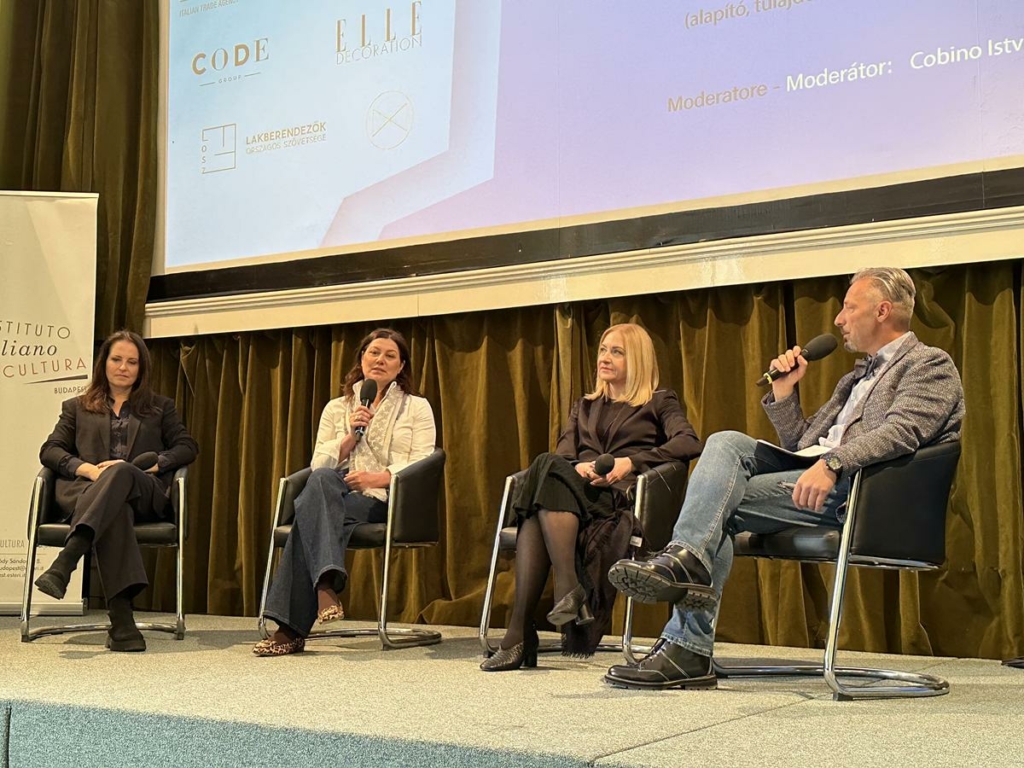
Building on these themes, Italian Design Day 2025 continued with a roundtable discussion featuring three Hungarian experts: Judit Osvárt, design specialist and Editor-in-Chief of ELLE Decoration Hungary; Andrea Mári, founder and owner of Code Showroom; and Hajnalka Szőke, designer and interior decorator, as well as a member of LOSZ (National Association of Interior Designers). The panellists shared insights on topics such as design’s ability to enhance quality of life, sustainability, accessibility in product design, the emotional aspects of the design process, opportunities for young designers, collectible design, the reception of Italian design in Hungary, and the evolving local identities of designers.
Judit Osvárt pointed out that while high-quality second-hand products—such as furniture—are gaining traction, a significant shift in mindset is required to elevate consumer expectations. She highlighted that while Hungary’s furniture manufacturing industry is not as advanced as Poland’s, which benefits from vast forest resources, the country is home to many talented young designers with world-class potential despite industrial limitations. She emphasised the importance of embracing Hungarian design identity unapologetically, both as designers and consumers. As an example, she referred to Italian design, which relies on a strong industrial foundation but derives its uniqueness from the traditional use of materials like wood, marble, and textiles, enhanced with a creative twist.