Subscribe to our social channels to get the latest news about Hungary!


In recent years, a lesser-known but increasingly dangerous invasive plant has begun spreading in Transcarpathia and now across Hungary: giant hogweed. This towering, aggressive species threatens not only native plant life but also poses serious health risks to humans, without a single bite. A mere touch, combined with sunlight, is enough.
According to Pénzcentrum, giant hogweed was originally introduced to Europe as an ornamental plant for botanical gardens. The problem is that it didn’t stay behind the fence. Wind, water, and even humans have helped it escape into nature, where it has taken root. It typically appears along stream banks, neglected roadsides, and damp meadows—right where people often hike or stroll.
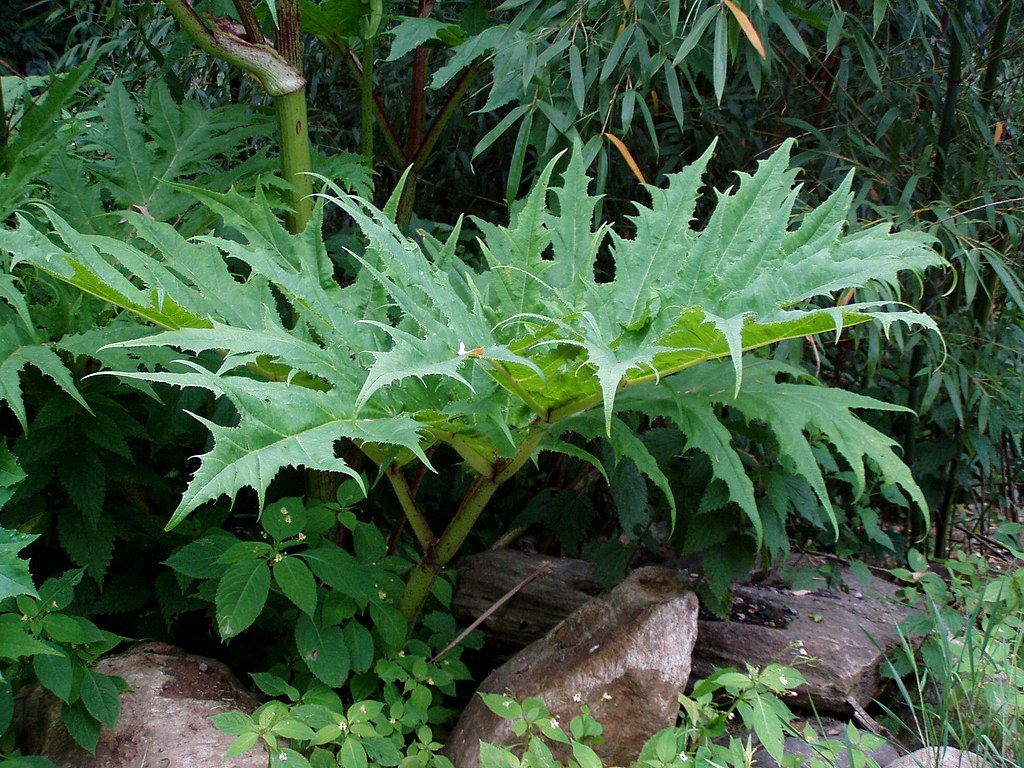
What makes the plant truly hazardous is its sap and fine hairs. These contain furanocoumarins—compounds that dramatically increase the skin’s sensitivity to UV rays. If touched during a summer walk and not washed off immediately, the skin could develop blistering burns by the next day. Healing can take months and may leave permanent scarring.
Not only does giant hogweed grow up to 10–13 feet tall, but its massive leaves cast such dense shade that nearby plants are starved of sunlight and die off. This loss isn’t limited to plant diversity—it also narrows habitats for wildlife. Left unchecked, the plant can quickly dominate entire ecosystems.
Although sightings are becoming more frequent in regions like the Balaton Uplands, the situation is different in western Hungary, specifically Vas County. According to the Őrség National Park, only one case has been officially recorded there: in 2018 along the Kozár-Borzó stream in the village of Vép. Following the discovery, eradication efforts began immediately and monitoring has continued since. The good news: by 2024, the plant has almost completely disappeared from the area.


