Subscribe to our social channels to get the latest news about Hungary!


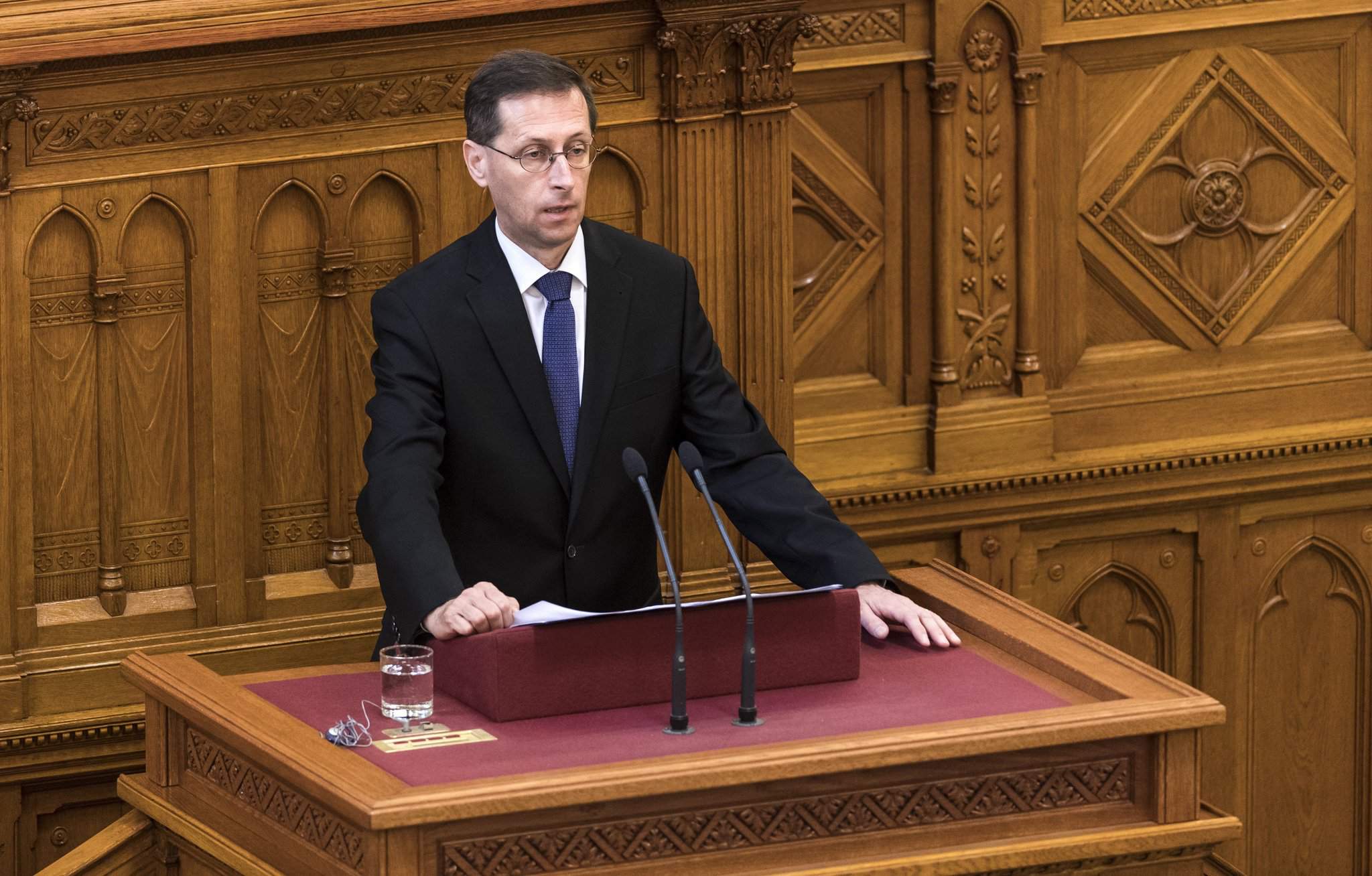
Budapest, May 17 (MTI) – Addressing lawmakers at the start of the budget debate on Wednesday, Economy Minister Mihály Varga said the 2018 bill focused on delivering predictability, security and developments.
He noted that the bill contained an economic growth target of 4.3 percent and a budget deficit of 2.4 percent, alongside projected inflation of 3 percent. He added that the policy of reducing the public debt would continue and it was expected that the debt would fall to 70.5 percent of GDP, down by 1.5 of a percentage point from the current year.
At the same time, key public services are set to receive extra funding, he said. Education will receive 81 billion forints (EUR 262m) more than this year, while the health-care sector stands to get 102 billion extra. Pensions, family and social support will get an extra 287 billion forints and 205 billion will go towards economic developments, Varga said. Law and order institutions are set to receive an additional 83 billion, he added.
The minister noted that various types of reserves had been built into the budget amounting to over 200 billion forints, so any unexpected risks could be mitigated.
He also noted that the basic minimum wage is set to rise by 8 percent while the minimum wage for skilled workers would rise by 12 percent.
Varga said the jobless rate was expected to drop to 4 percent thanks to the ongoing fostered jobs scheme and government measures aimed at job-creation.
The flat personal income tax of 15 percent continues to be among the lowest in Europe, he said, adding that a family with two average earners and two children can expect to be better off by 240,000 forints next year compared with 2015 thanks to tax changes. Varga also noted lower VAT rates on some basic foods and internet services.
Taxes on small businesses will be cut by a percentage point to 13 percent and various employment-related contributions are also to be reduced.
Varga said that by the end of 2018 Hungary will have tapped the total amount of European Union funding available and will have paid out a large portion of them to beneficiaries.
The purchasing power of pensions will be preserved, the minister said, and at the same time the Pension Insurance Fund and the Health Insurance Fund will remain in balance next year.


