Subscribe to our social channels to get the latest news about Hungary!


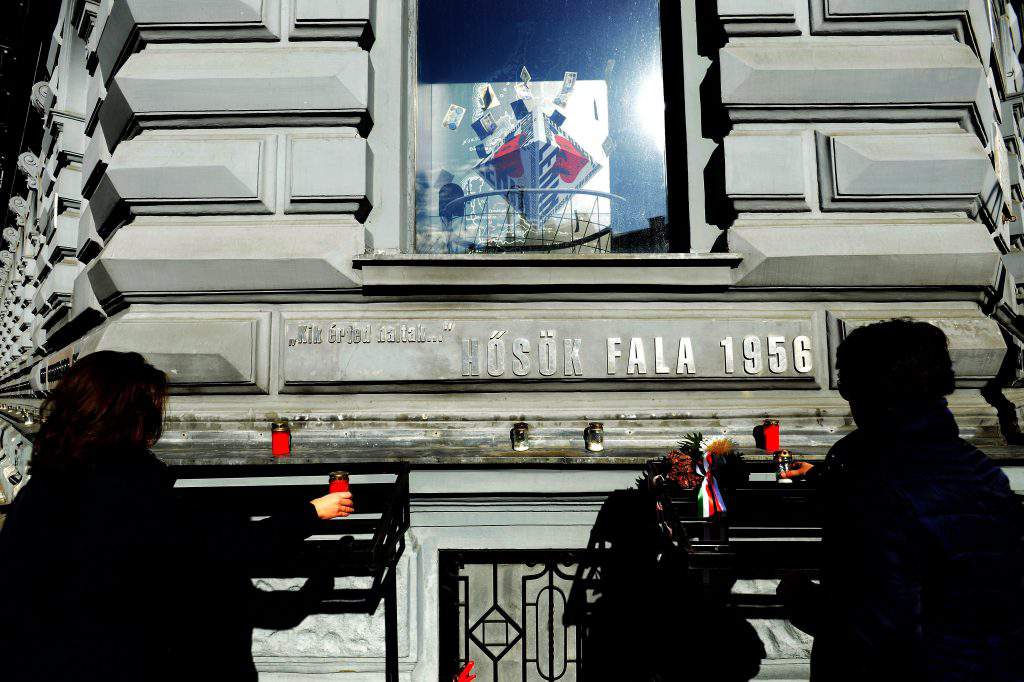
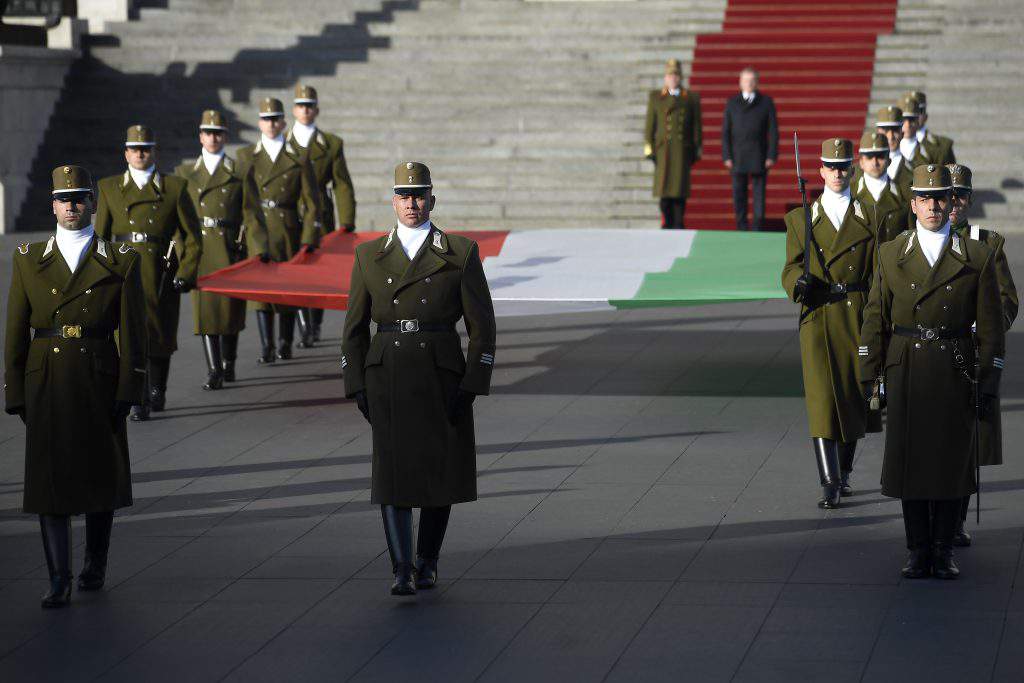
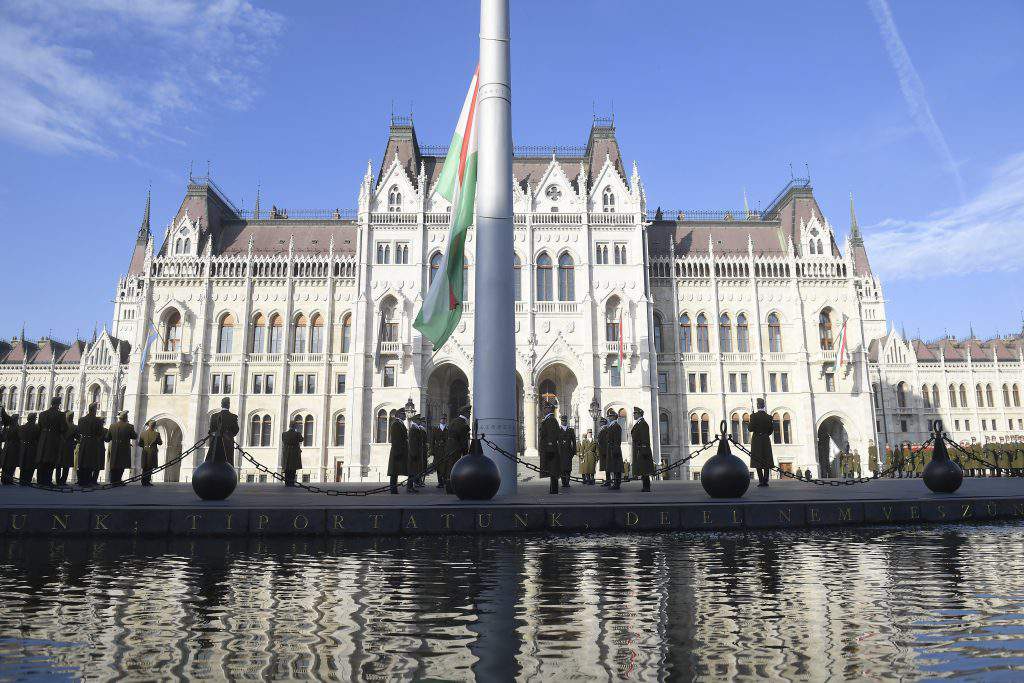
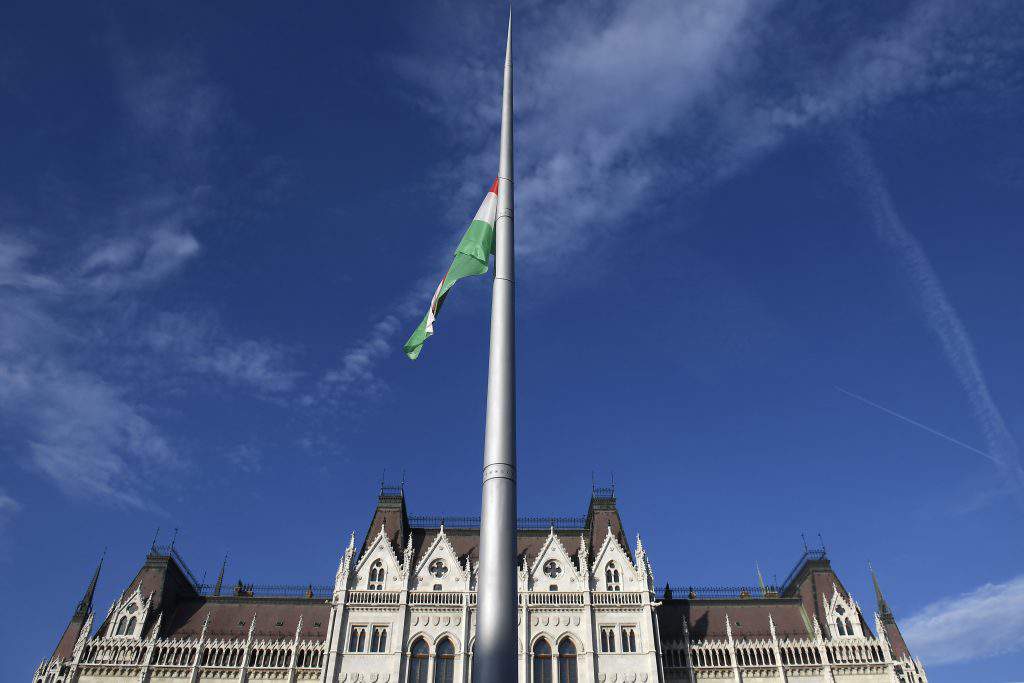
Hungary’s flag was raised and then lowered to half-mast with military honours in front of Parliament on Sunday to mark the 62nd anniversary of the crushing of the 1956 revolution and freedom-fight.
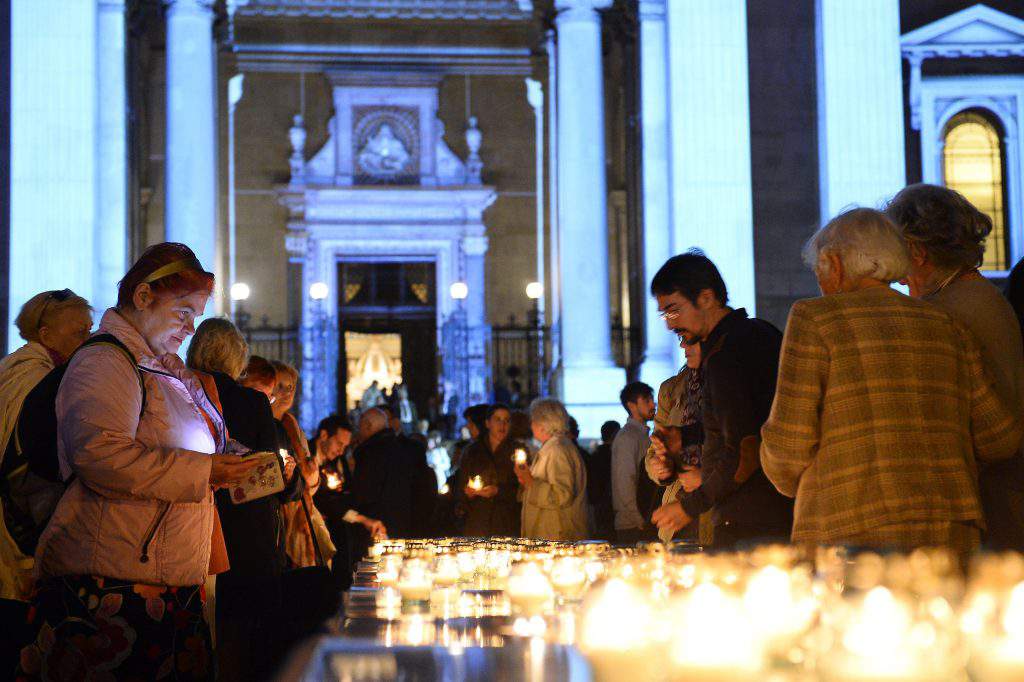
The Hungarian government in 2013 declared November 4 to be a national day of mourning.
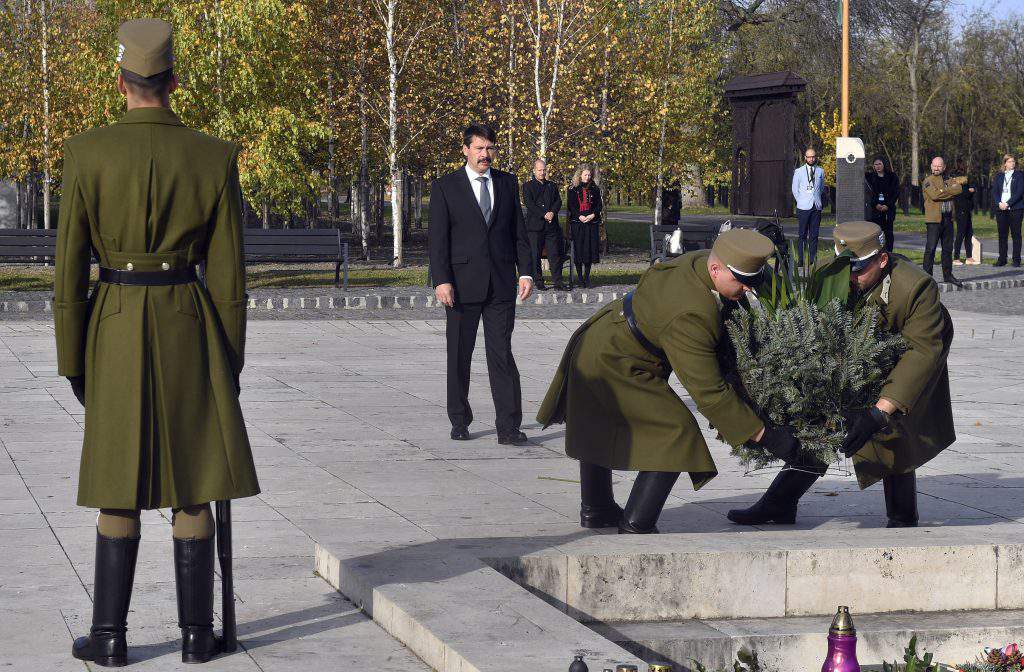
Addressing a commemoration event at the Rákoskeresztúr Cemetery, where victims of the Soviet retaliation after the revolution are buried in unmarked graves, Justice Minister László Trócsányi said November 4 was “a national day of mourning but also a day of progress”. The heroes and martyrs of 1956 must be remembered and thought of with gratitude, the minister said in the cemetery’s national park of mourning.
“1956 spoke to the conscience of Europe and the world,” Trócsányi said. “Nothing has moved the conscience of the free world as the Hungarian revolution.”
“October 23, 1956 was borne out of hope, and this is what was killed on November 4,” the minister said.
During this period, Hungarians lived in greater fear and hopelessness than in 1945, he said. On October 23, the “nightmare” came true and many Hungarians were forced into hiding or had to flee, Trócsányi added. “An entire generation disappeared, among them many talented people.”
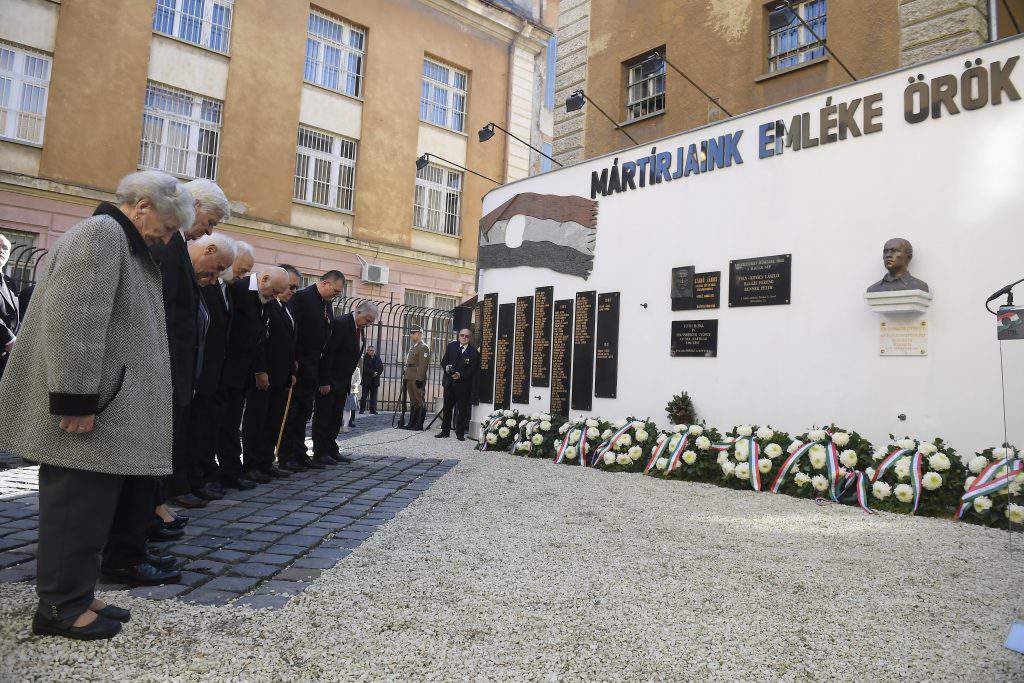
Quoting Hungary’s constitution, Trócsányi said Hungary’s freedom was rooted in the 1956 revolution. He added, at the same time, that freedom was “not an accomplished fact but rather a process”.
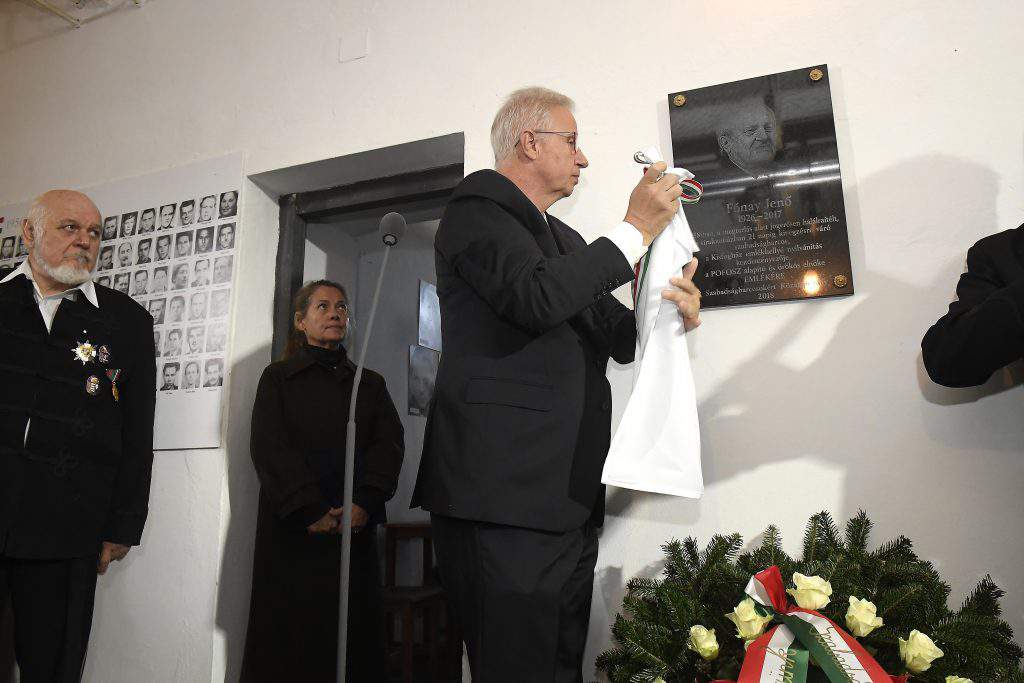
The minister later attended the unveiling of a memorial plaque honouring Jenő Fónay, a 1956 freedom fighter and founder of the National Alliance of Hungarian Political Prisoners (Pofosz). Trócsányi praised Fónay, noting that he was sentenced to death twice in 1956, but was pardoned just as he was about to be executed. He said Fónay had gone on to play a “historic role” in the period of Hungary’s transition to democracy by founding Pofosz and helping to organise the reburial of martyred Prime Minister Imre Nagy in 1989.