Subscribe to our social channels to get the latest news about Hungary!


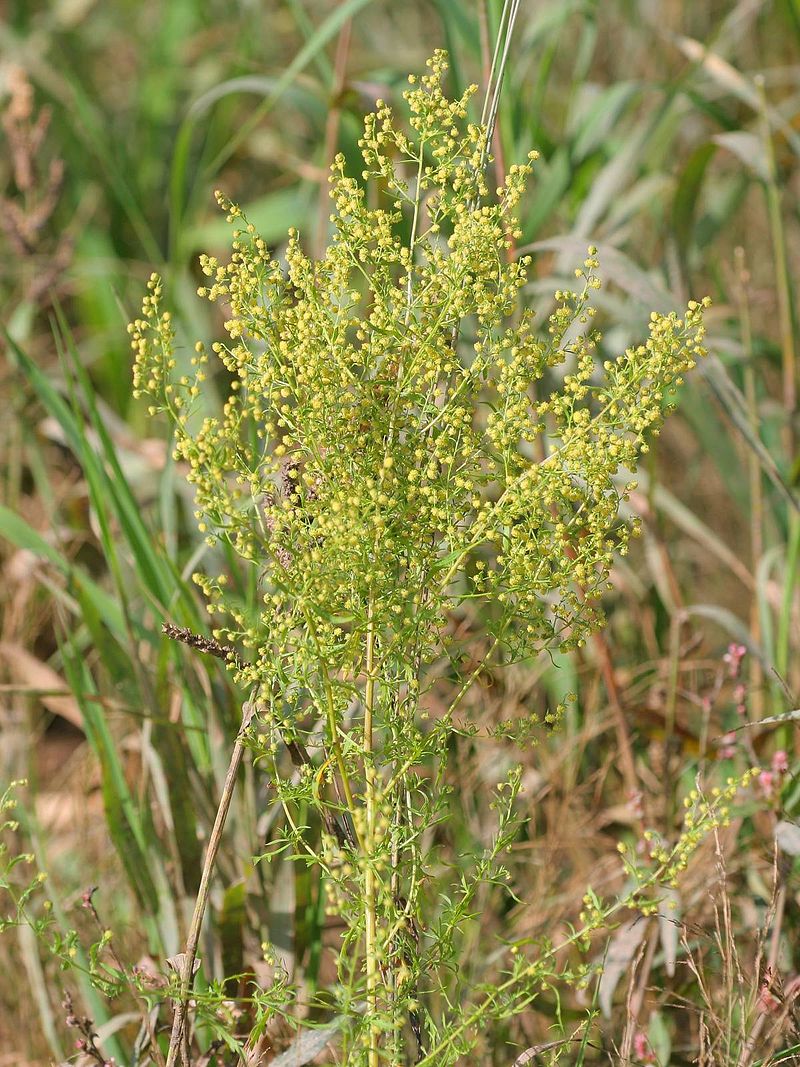
The sweet wormwood (Artemisia annua) is one of the most ancient herbs used by the Chinese and Europeans for millennia. In 2015, the Chinese Tu Youyou was awarded the Nobel Prize in Physiology or Medicine for isolating the sweet wormwood’s active ingredient, artemisinin, which cured malaria with 100% efficiency. Now, a Hungarian university would like to make food supplements using that herb in cooperation with Uzbekistan, where the physical production would be realised.
According to Világgazdaság, the development of new food supplements has already begun at the University of Debrecen. In the Hungarian-Uzbek joint R+D+I project, scientists measure how the amount of active ingredients in the herb varies depending on the soil and weather it grows in. In the project, they included not only the sweet wormwood but also the garden sage (Salvia officialis).
They will compare the effect of the extracts of the active compounds with animal testing. The Uzbek participant in the project is the Pharmaceutical Institute of Tashkent, while its industrial partner is Meditop Pharmaceutical Ltd. The Hungarian-Uzbek cooperation already started developing the products. They would like to make antiseptic and anti-inflammatory capsules, pastilles, hydrogel, ointment, ear drops, mouthwash, or plaster. The new products would not be considered drugs but food supplements.
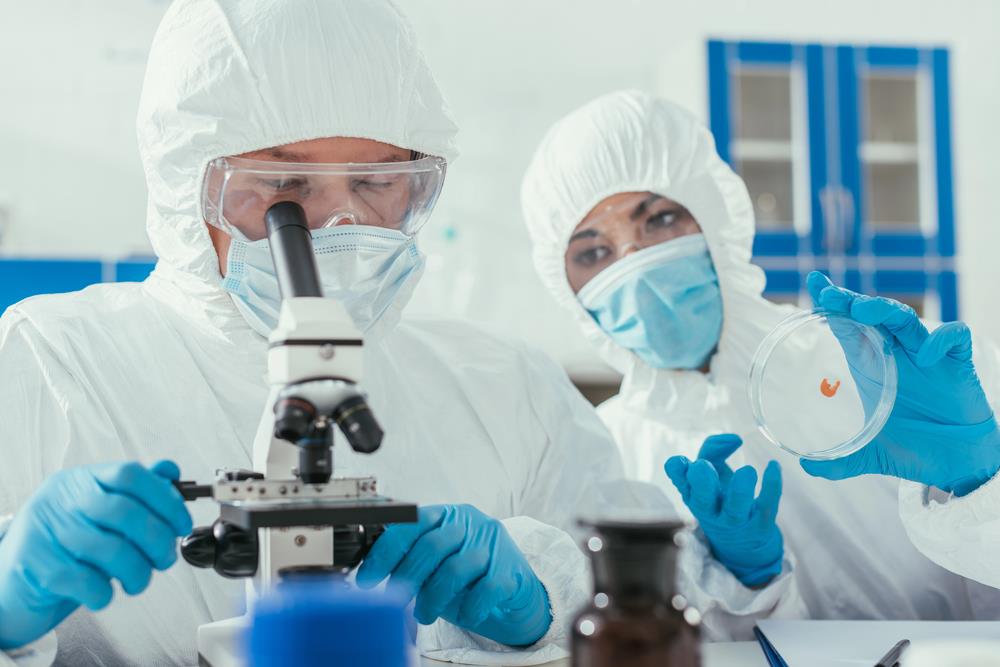
Now, they are working on making prototypes. The road to mass production from the prototypes is still long, and it is not certain that all prototypes will be eligible for mass production. The products would be made in Uzbekistan with the Hungarian know-how.
According to the dean of the Faculty of Pharmacy at the University of Debrecen, Ildikó Bácskay, the Uzbek partner would like to create an industrial park similar to the one operating at the university. The University of Debrecen has a pilot lab and a medium-sized plant where they can develop mass production. Since both governments support the project, the dean hopes their cooperation might be extended to develop and produce e.g. bacteriophage-based meds.