Subscribe to our social channels to get the latest news about Hungary!


Love is in the air… especially today when Christian countries celebrate Saint Valentine’s Day on every February 14. This is the day when we surprise the person we love with flowers, chocolate or a romantic outing. The lesser known fact might be that in Hungarian villages there were traditions and superstitions related to this day from the 19th century. But first, let’s step back in time to 269 in the Roman Empire.
In the ancient Roman Empire back in the 3d century there were two major religious celebrations between February 13-15. The festival of Faunus and Lupercalia or Februa. These celebrations consisted of rituals and ceremonies to conciliate the wolf-shaped and evil Lupercus, the god of evil spirits and the wolf which fed Romulus and Remus. Priests usually whipped women with belts made out of goat skin, because they believed that this ritual brings purification.
Besides these cruelties, there were enjoyable activities on this day as well. Young girls usually headed to the temple of Juno (goddess of childbirth and marriage) where they were given a ritual prophecy about their future partner and husband. Men usually gave their wives presents and flowers while the plebs (poor people) gathered together and held a tombola where they chose themselves maiden women. Historians believe that after a while they fell in love with each other and got married. The aristocracy despised this kind of tombola games.
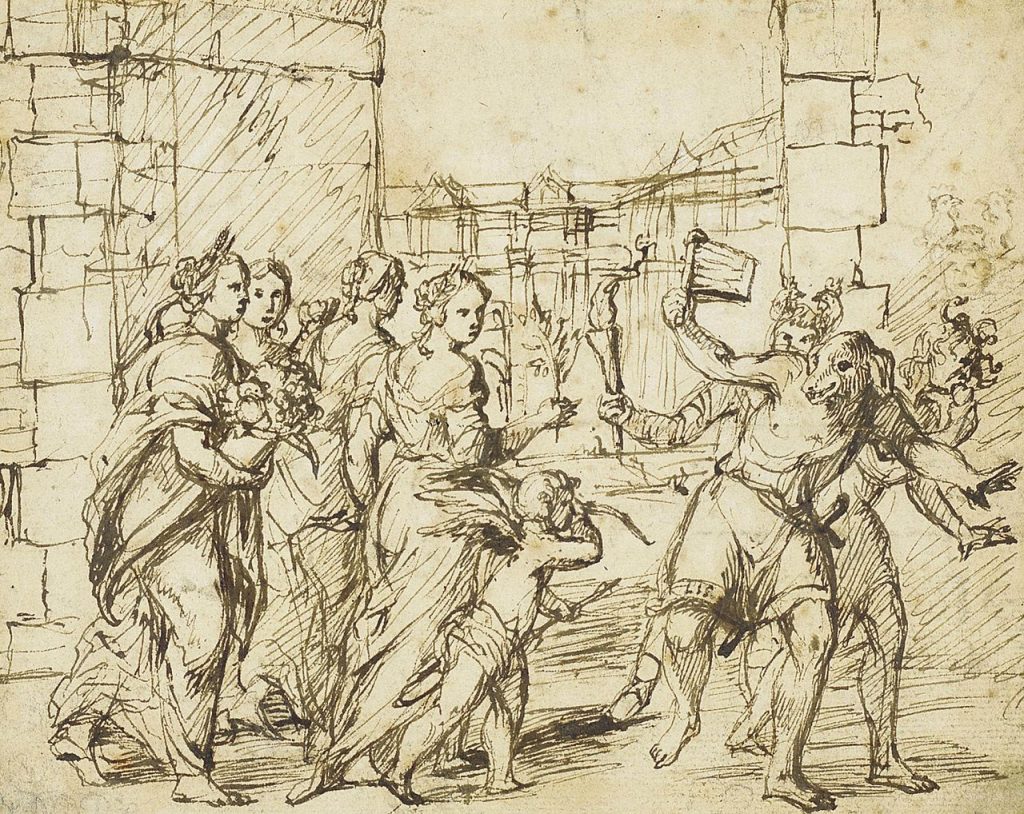
And what is Valentine? Valentinus of Rome was a Christian priest who was executed and became a martyr on February 14, 269, during the celebration of the Lupercalia. The news of his execution spread across the city and after a while, people celebrated Lupercalia and commemorated the priest at the same time on the same day.
After a while, the romantic features of the Lupercalia and the commemoration of Saint Valentine became one celebration and Saint Valentine’s Day was born. Although many historians believe that this connection is false, many authors and experts claim that it is true.
Saint Valentine’s Day in Hungary is called Valentin Nap or Bálint-nap. After the execution of Valentinus (Saint Bálint in Hungary), he became a saint in the 5th century and the protector of lovers, married couples, engaged couples, neurotics, and epileptics.