Subscribe to our social channels to get the latest news about Hungary!


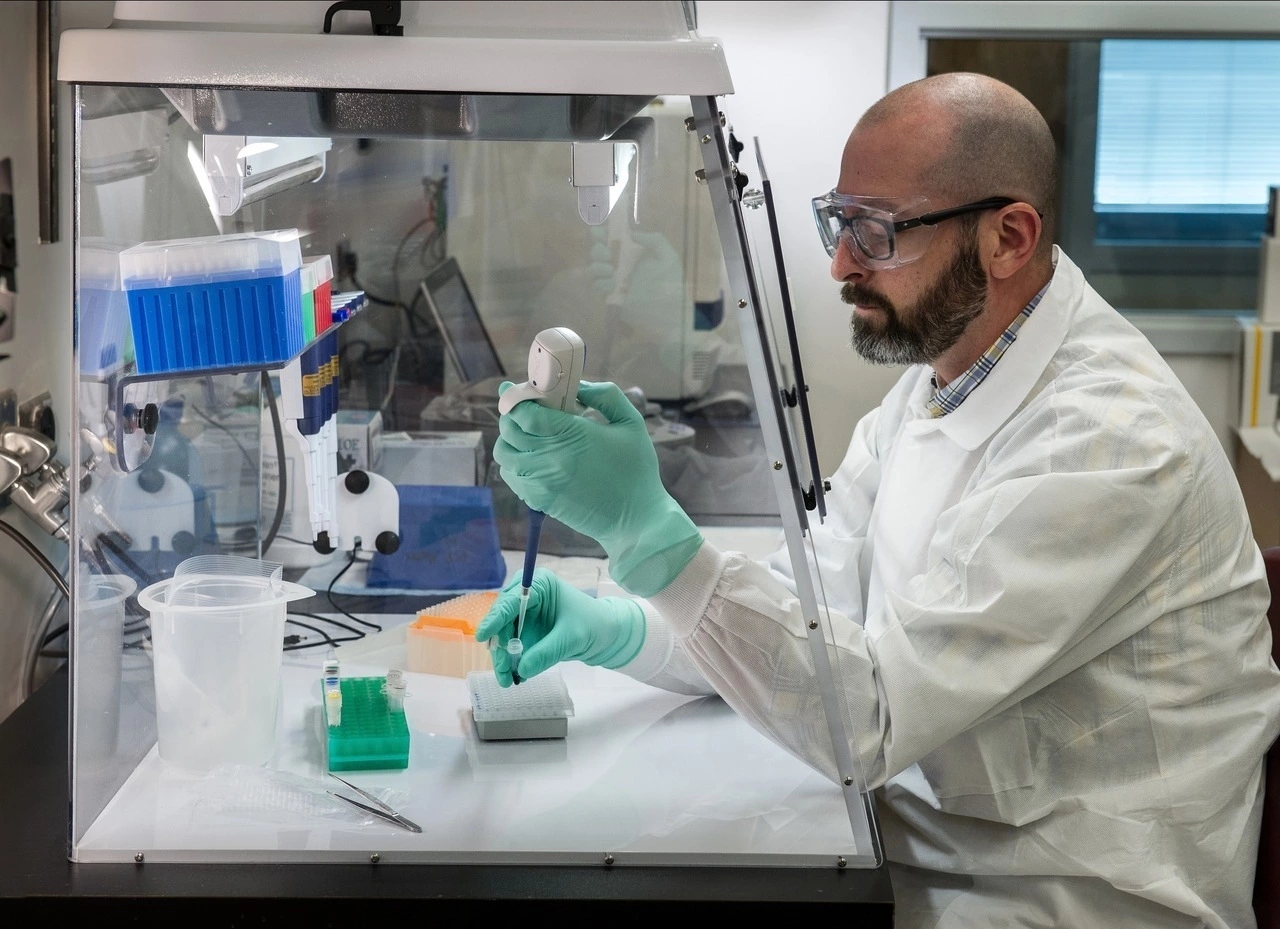
Hungarian researchers have discovered one of the causes of chronic fatigue, often experienced after radiation therapy, according to the Hungarian Center of Molecular Medicine Excellence. According to the announcement, patients suffering from cancer often experience chronic exhaustion and fatigue following radiation therapy. The previously prevailing belief was that this was due to an inflammatory state caused by the extensive cell death.
The process was led by Andrea L. Hermann, a doctoral candidate at the University of Szeged, and Lajos Vince Kemény, the head of the Hungarian Center of Molecular Medicine Excellence (HCEMM), Index reports.
Their research was based on a previous observation made by Professor David E. Fisher from Harvard, who noted that exposure to ultraviolet radiation leads to the release of beta-endorphins. These, for example, regulate the body’s response to injury and stress and reduce the sensation of pain.
During nearly eight years of research conducted at partner institutions in the United States, it was revealed how the skin contributes to the development of fatigue following radiation therapy. Genetic and molecular studies showed that ionising radiation causes significant DNA damage in the skin, resulting in the release of endorphins. This released hormone indirectly affects the brain, leading to the development of chronic fatigue.


Amazing that after 8 years they discovered that damage of the skin, human’s biggest organ, causes tiredness. Each person with eczema allover, psoriasis, could have told (confirmed) that.
What exactly is the breakthrough made in cancer research?