Subscribe to our social channels to get the latest news about Hungary!


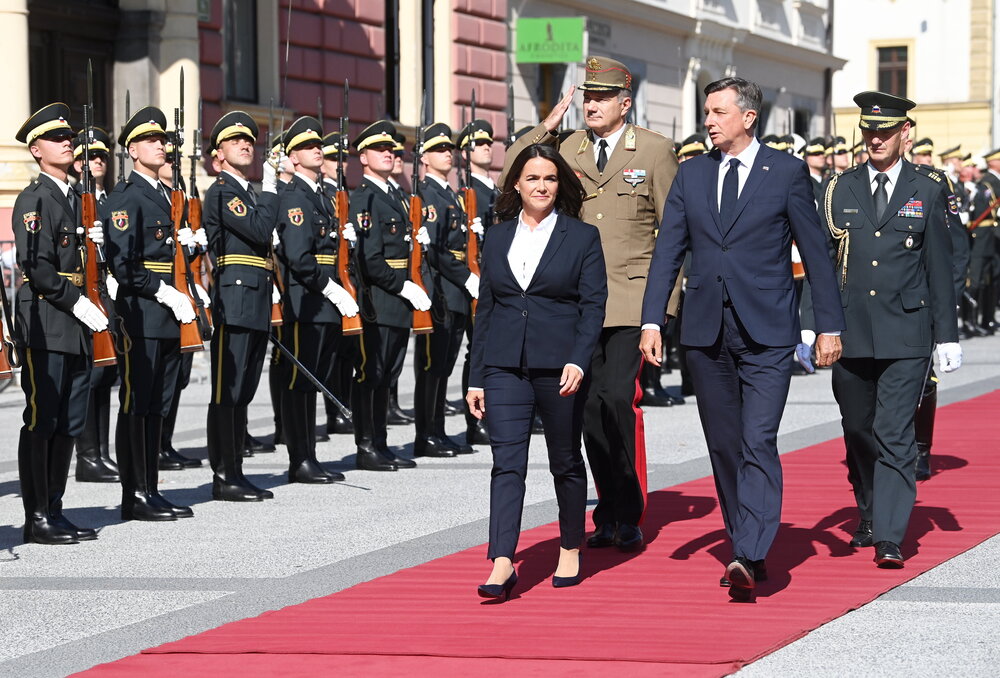
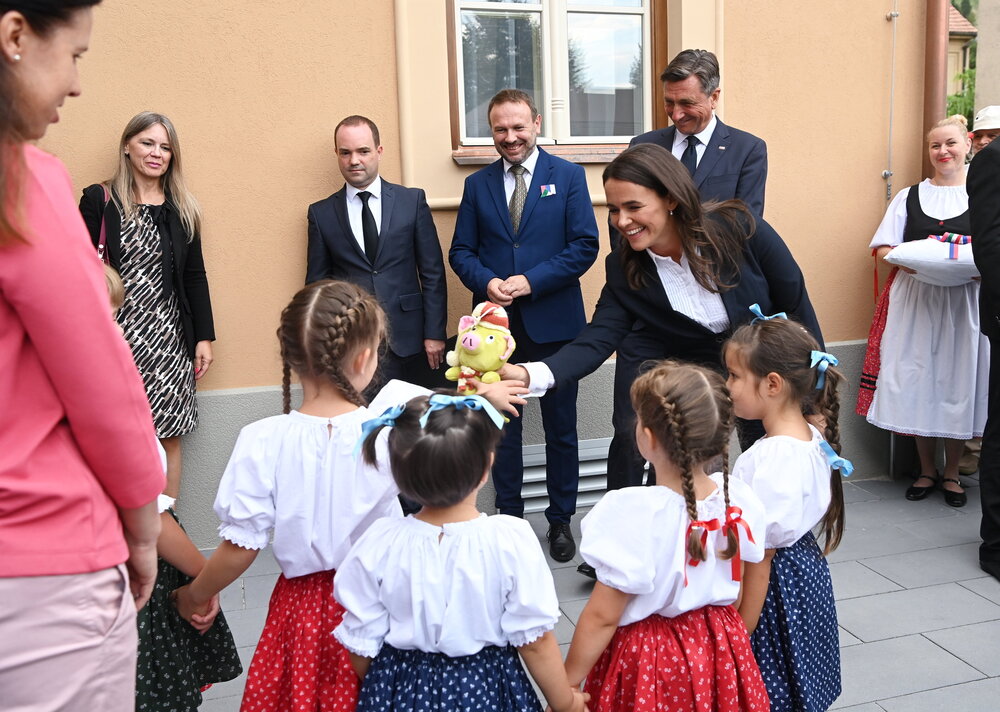
Presidents Katalin Novák of Hungary and Borut Pahor of Slovenia attended the opening of the new headquarters of the Prekmurje Hungarian local government ethnic community (MMÖNK) in Lendava (Lendva) on Friday afternoon.
At the event wrapping up her two-day official visit to Slovenia, Novák welcomed that Prekmurje Hungarians are represented in the Slovenian parliament and their rights to their language, education and cultural self-determination are guaranteed. She said that by contributing to the building’s refurbishment the Hungarian government also aimed to help Lendava prosper.
Pahor said “this is a fortunate phase of history for both Slovenians and Hungarians because they live in a sovereign state, with ethnic Hungarians in Slovenia and ethnic Slovenians in Hungary binding together the two nations”. “We, Slovenians and Hungarians are proud of our national identity which we must nurture in Europe, our great common home,” he said.
Ferenc Horváth, the president of MMÖNK, said that “an old dream of the [Hungarian] community has come true”, adding that the new headquarters will help them keep together and preserve their heritage.
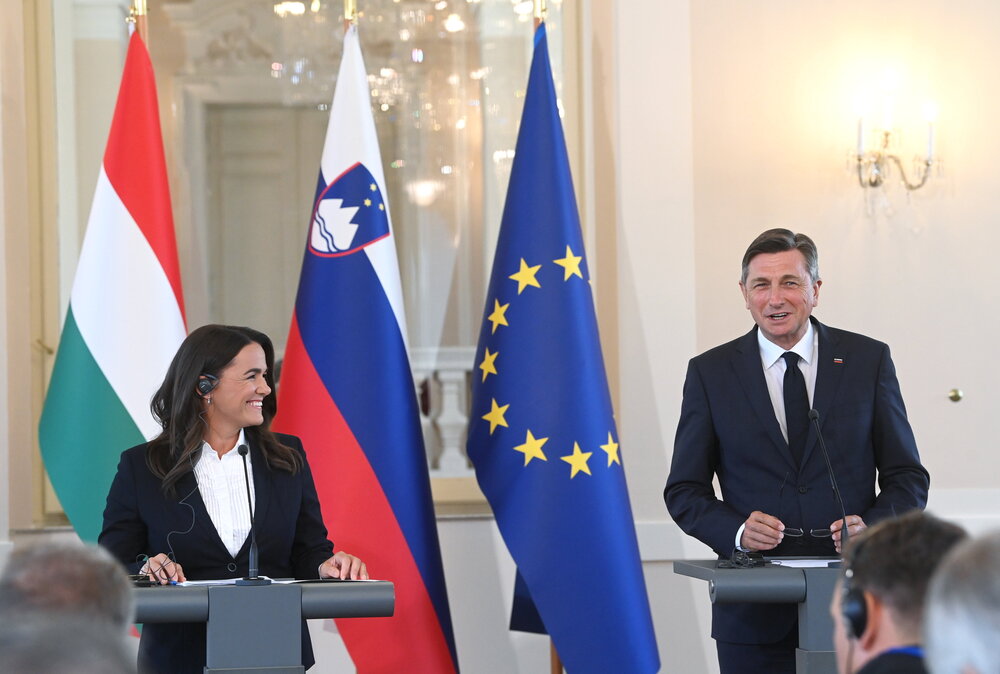
Europe must be united in its response to the war in Ukraine, Hungarian and Slovenian presidents Katalin Novák and Borut Pahor told a joint perss conference after their talks in Ljubljana on Friday. The Hungarian president noted that her meeting with Pahor this week was her second since taking office earlier this year and that her visit to Slovenia was her first official trip to a neighbouring country. Novák praised Hungary and Slovenia’s developing economic ties, highlighting their increasingly close cooperation in infrastructure development.
Slovenia’s Prekmurje (Muravidék) and Hungary’s Rábavidék regions on the border are functioning more and more like a joint economic area,
Novák said, noting the two governments have earmarked an annual 5 million euros each for a five-year economic development plan for the region. The president also highlighted bilateral cooperation in the areas of education, culture, heritage protection and science.