Subscribe to our social channels to get the latest news about Hungary!


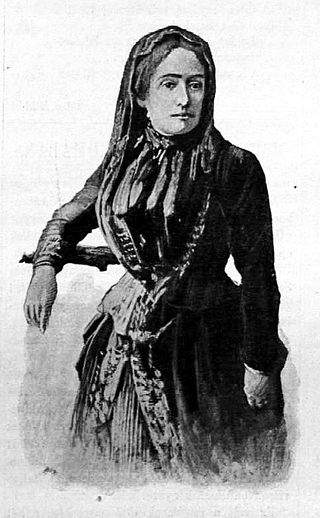
According to librarius.hu, the world’s first female archaeologist was known to be a modest, generous person. She spent her fortune on research and charity. She frequently gifted her colleagues with precious findings, even though she had to face many rejections throughout her life.
Zsófia Torma was not an average kid: she played with ancient tiles and historical findings. She was made fun quite a lot during her life, and although the Hungarian scientific world did not acknowledge her work, she was acknowledged by foreign archaeologists.
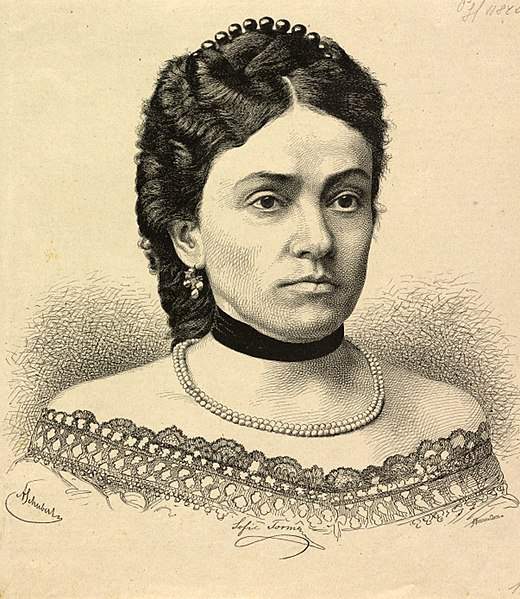
Her father and brother were both famous archaeologists, so the house Zsófia grew up in looked more like a museum than a home. It is no surprise that archaeology became Zsófia’s passion. Even though several men wanted to marry her, she dedicated her life to archaeology. But her life was not easy since, in the era, women were expected to live up to the feminine principles.
In the beginning, newspapers made fun of the “rummaging lady” but then accepted that she was the example of real education and determination.
However, she was offended by the rejection of her fellow Hungarian professionals – József Hampel, Pál Hunfalvy, Ferenc Pulszky – whom she thought of highly. The publishing of her scientific studies was rejected, they talked about her findings and work depreciatingly. The scientific world basically ignored her.
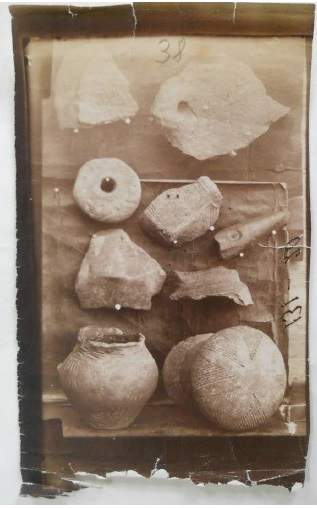
Zsófia Torma was the first to excavate the Neolithic culture of Tordos, thus attracting attention to the relation between the signs of Tordos and the Assyrian-Babylonian literacy, and the influx of Sumerian literacy through Southeast Europe. She worked in Tordos for twenty years and collected thousands of invaluable findings. She preceded her profession with 30 years because the official excavation of the Vinca-Tordos culture only started in 1908.
The Serbian Miloje Vasic is kept count of as the explorer of the culture, without giving any credit to Zsófia Torma, whose path he followed during his work.