Subscribe to our social channels to get the latest news about Hungary!


Despite the improving epidemiological situation, Hungarian higher education institutions have started to prepare for the second wave of the coronavirus. Some universities have announced a hybrid reopening for the fall semester, with the lectures still taking place online and the seminars functioning normally and in person. Other institutions will require a negative test result before allowing students back on campus.
Due to the coronavirus pandemic, the Hungarian government ordered an epidemiological emergency situation on March 11. According to the measures regarding higher education, students had been under obligatory absence from the universities from March 12 and continued their educational activities in the form of distance education. University and college buildings remained closed until the end of the spring semester, lectures were held through live streaming, and exams took place online.
Education will operate mostly virtually at Semmelweis University within the framework of a “hybrid” semester: all lectures will take place online, but students will have to attend seminars and practical classes in person,
reported the institution to 24.
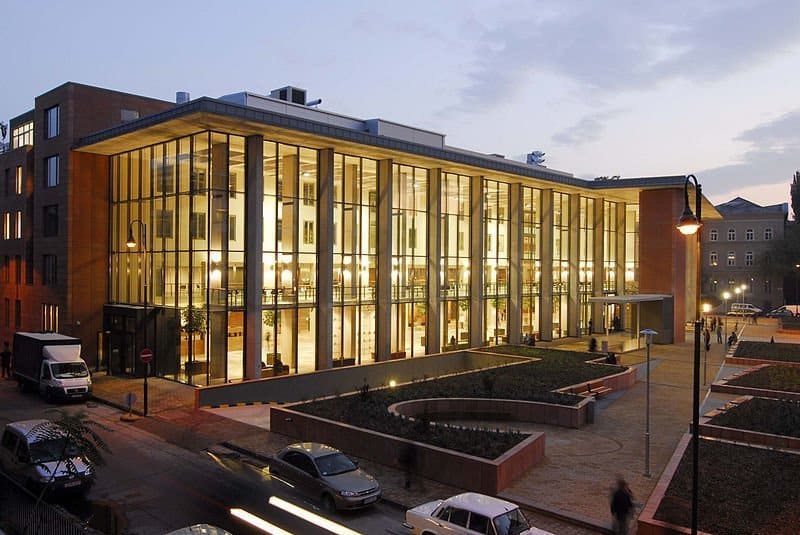
It will be obligatory to wear a mask covering the nose and the mouth in the buildings of the university. In order to protect the employees and students of the university, Dr Béla Merkely, the rector, has ordered mandatory and free PCR screening for university employees upon returning home from abroad. Students have been informed several times about when they should complete a PCR screening.
First-year students will be required to present a negative PCR result before enrollment.
Eötvös Loránd University is preparing for the semester according to similar principles. With regards to epidemic preparedness, the academic year 2020/2021 will start in the form of hybrid education. According to the university’s briefing published on July 29,
“the courses are, as a general rule, held with a physical presence, but the course must be held online if the general regulations of distancing could not be followed due to the number of students enrolled in the class and the capacity of the room used for education; furthermore, if the teacher of the course cannot fulfil teaching with physical attendance.”
Furthermore, “Students who are unable to attend the courses requiring physical attendance due to the reasons listed below can hand in a request to stay away. Those students have to hand in a request through the Neptun Education System so that they can receive permission from the dean to take part in distance education”.

Regarding online courses, universities can employ synchronous or asynchronous methods depending on the course requirements and the decision of the teacher. Synchronous learning is online or distance education that happens in real time, whereas asynchronous learning occurs through online channels without real-time interaction.
Eötvös Loránd University added that students will only be under obligatory absence from the university “if the physical presence of students is justified by the epidemiological situation or it is excluded by a government decree”.