Subscribe to our social channels to get the latest news about Hungary!


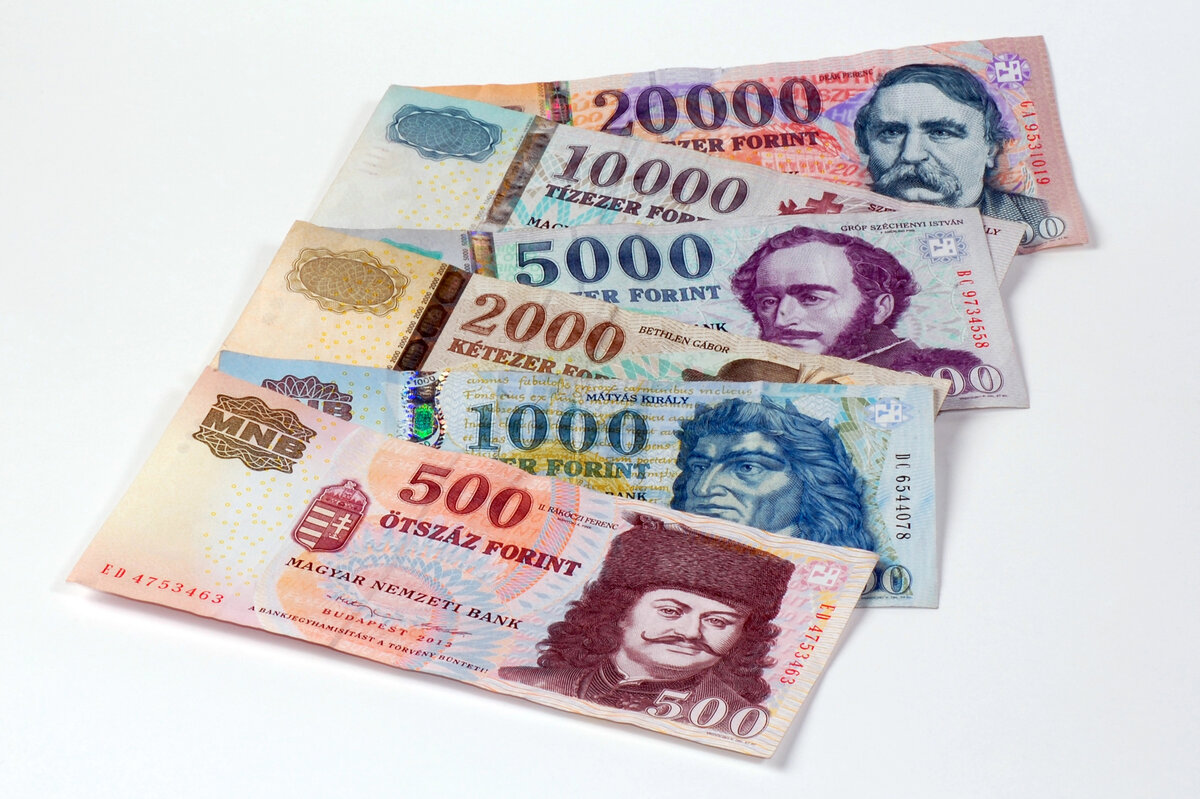
We may not think about it, but we carry a piece of history in our wallets every day. Each of the Hungarian banknotes features a prominent historical figure whose achievements have left an indelible mark on Hungary’s identity. From revered kings to revolutionary leaders, these icons tell stories of courage, innovation, and national pride. In this article, we aim to give a short introduction to the legacy of these outstanding historical icons of Hungary.
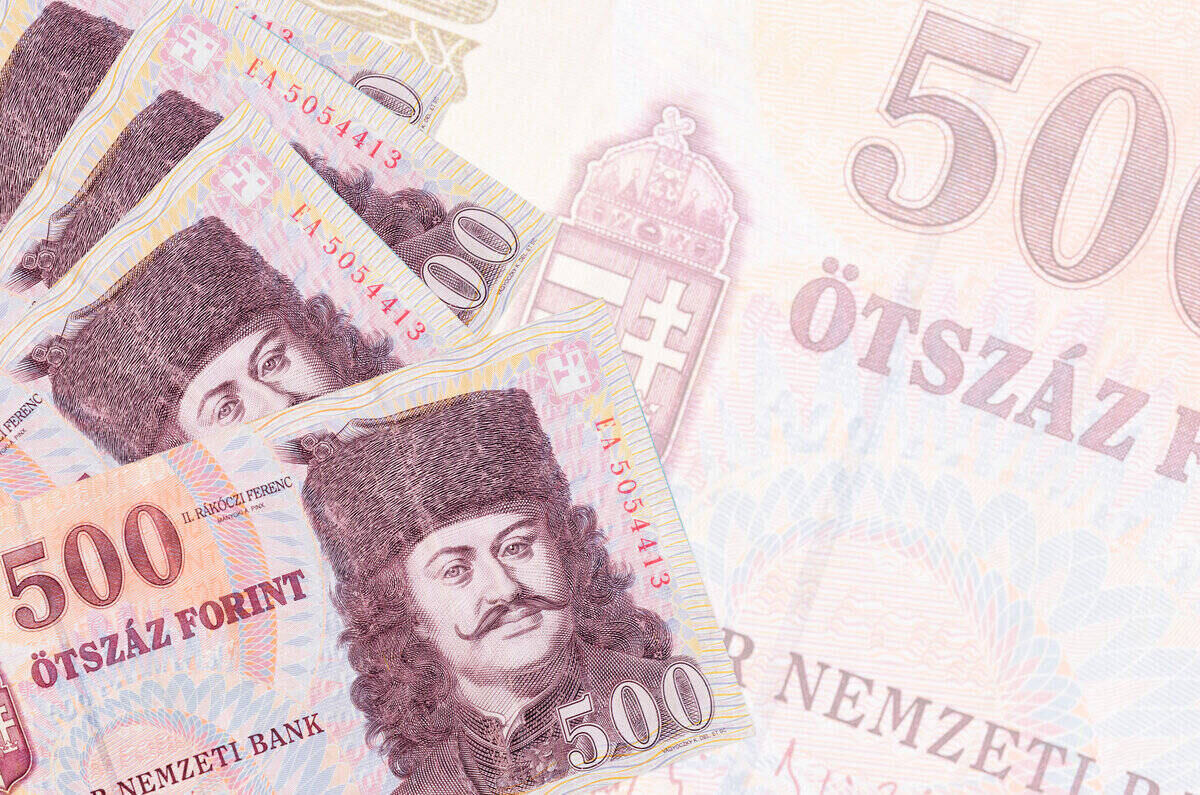
Francis II Rákóczi (or II. Ferenc Rákóczi), a revered figure in Hungarian history, appears on the HUF 500 Hungarian banknote. As the leader of the Rákóczi War of Independence (1703–1711), he fought tirelessly against Habsburg domination, striving to secure Hungary’s autonomy. Though the struggle ultimately ended in defeat, Rákóczi’s unwavering commitment to freedom made him a national hero. His legacy endures not only in the annals of Hungarian history but also on the Hungarian banknote.
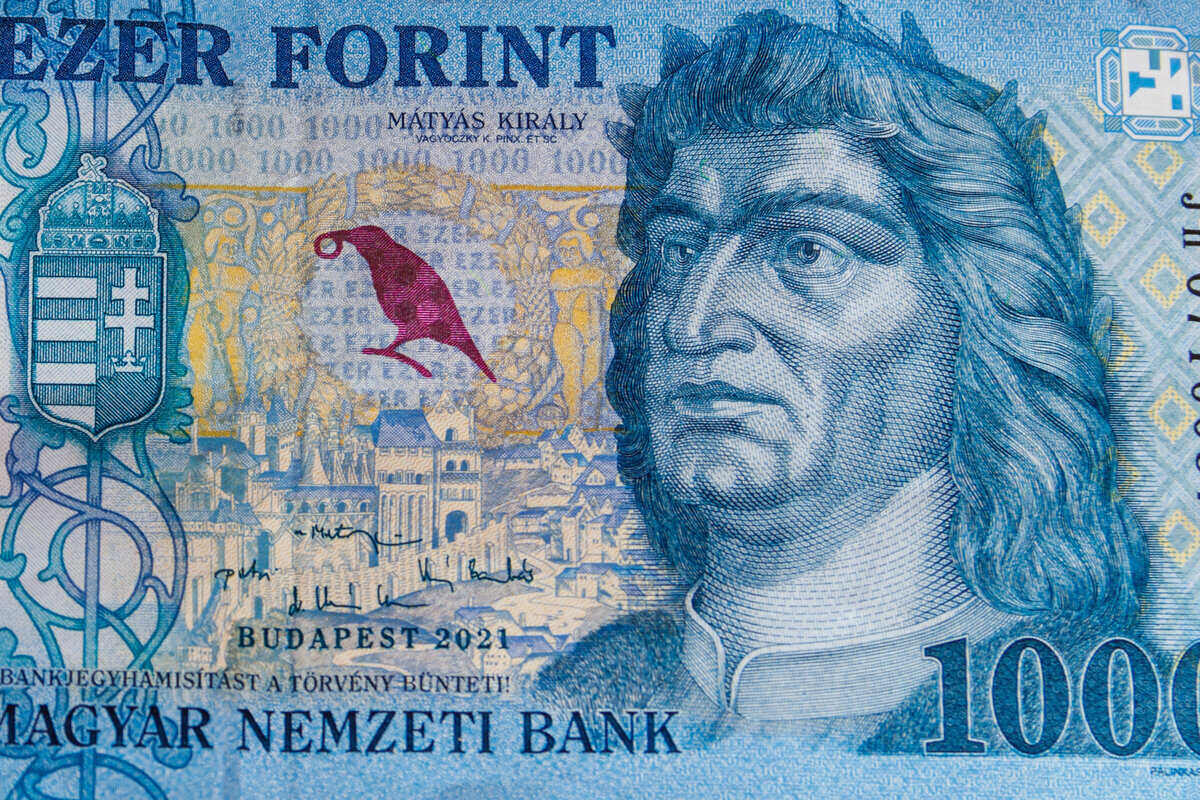
Matthias Corvinus, one of Hungary’s most celebrated monarchs, is prominently featured on the HUF 1,000 Hungarian banknote. Renowned for his intellectual prowess and military skill, Matthias reigned during the 15th century, ushering in a golden age of Hungarian culture and governance. His establishment of the Bibliotheca Corviniana, a vast Renaissance library, and his commitment to justice and reform earned him the title “The Just King.”
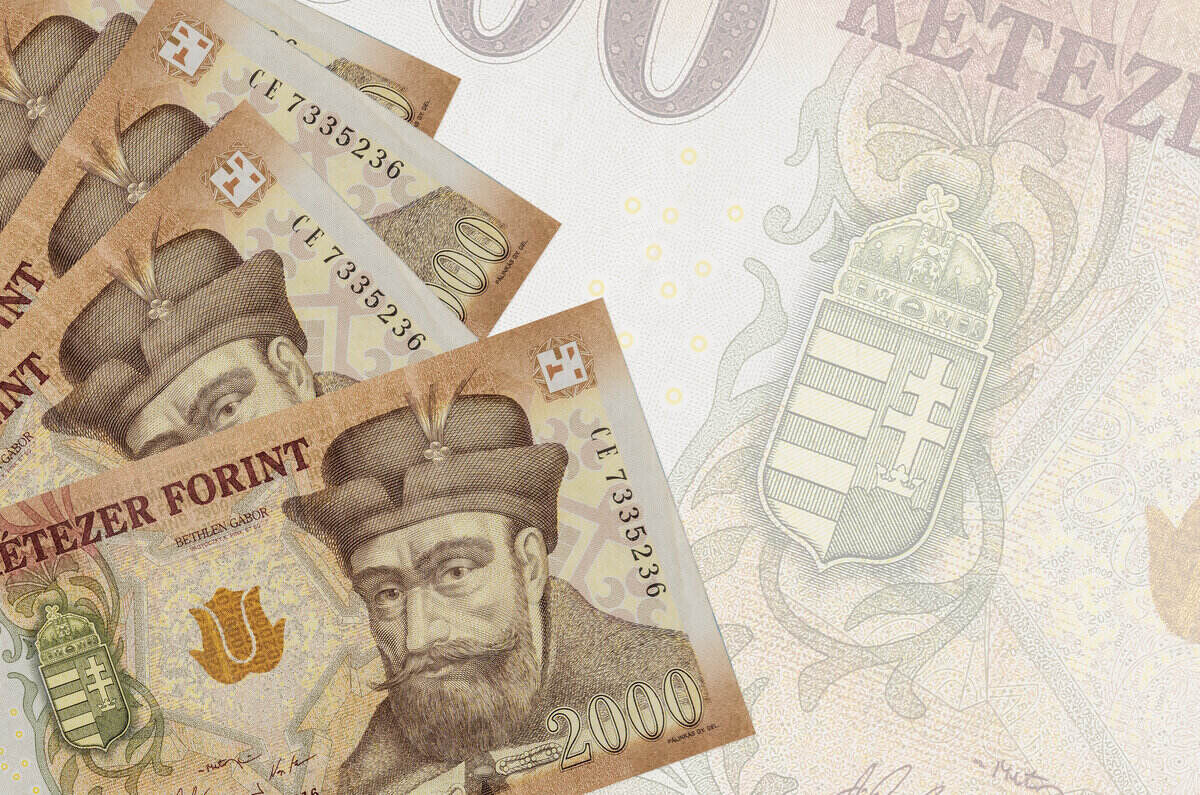
Gabriel Bethlen (or Gábor Bethlen in Hungarian) is featured on the HUF 2,000 banknote. As the Prince of Transylvania in the early 17th century, Bethlen played a crucial role in defending Hungarian independence against foreign powers. His leadership during the Hungarian–Ottoman wars and his efforts to strengthen the Protestant Reformation in Hungary cemented his legacy as a protector of the nation’s sovereignty.