Subscribe to our social channels to get the latest news about Hungary!


From the first pong games created by bored navy engineers to the most modern VR programs, video games have taken a long journey throughout the past fifty-sixty years. Hungarian developers also took part in the evolution of PC gaming in their own way. Here are some examples from the most significant Hungarian PC games so far which gained international recognition.

This was the first true global success for Hungarian PC game developers: it was created by Hungarian software company Novotrade International in 1992 for Sega, and it was republished for several platforms in 2006. The player controls a bottlenose dolphin who cruises around in the deep blue sea in a 2D platformer interface, avoiding hostile species like sharks or medusas, and eventually ending up discovering the sunken ruins of Atlantis and an alien spaceship – which are, to be honest, not the typical activities for an ordinary dolphin.
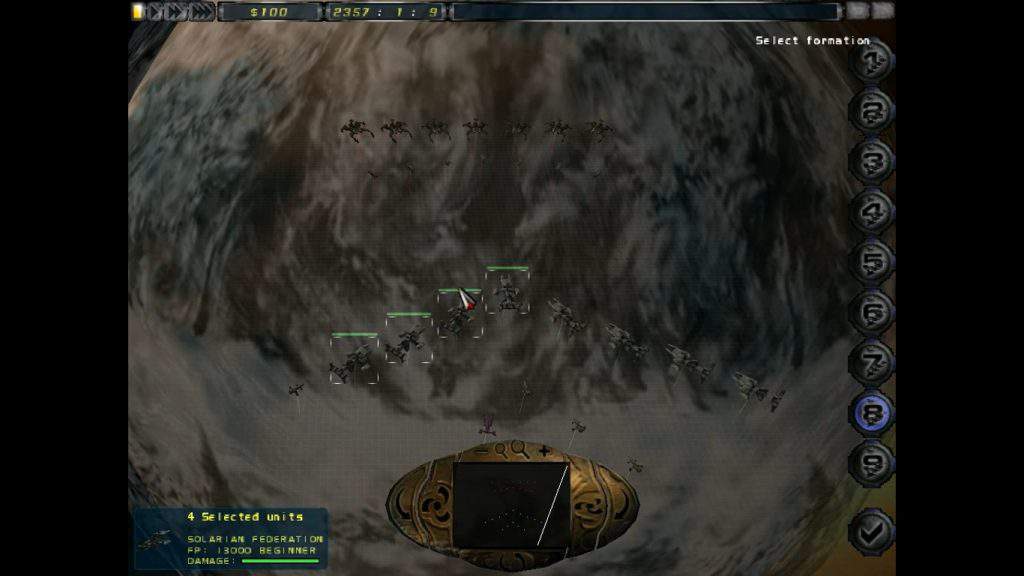
The second installment of the complex real-time strategy game was developed by Digital Reality, and it has improved the concept of its predecessor from multiple aspects. The game tells the story of an intergalactic conflict between three empires and eight races, involving diplomacy, spying, research and – of course – space battles between enormous fleets. Besides Windows and MacOS, the game is now available for iPad and Android as well.

This 2D platformer motorbike stunt game was developed by Balázs Rózsa for Windows, and it immediately became an international hit. Though it seems easy at first sight to ride around with a motorbike in a simple 2D environment, as the player progresses and comes across curvier tracks, it becomes really challenging not to fall on the head. Despite the frustration of how easily can someone fail a level, it is still an addictive game even today. Since 2014, it is even possible to try this classic on iOS.