Subscribe to our social channels to get the latest news about Hungary!


The weakening of the forint in 2024 was a significant economic event in Hungary. The exchange rate against the euro began the year at 382 forints and weakened to 410 forints by the end of the year, marking a depreciation of 7.3%.
According to Index, the best exchange rate was recorded in January (377.1 HUF/EUR), while the worst occurred in December (416.4 HUF/EUR). This trend has raised serious questions regarding the macroeconomic fundamentals of the economy and developments in the foreign exchange market.
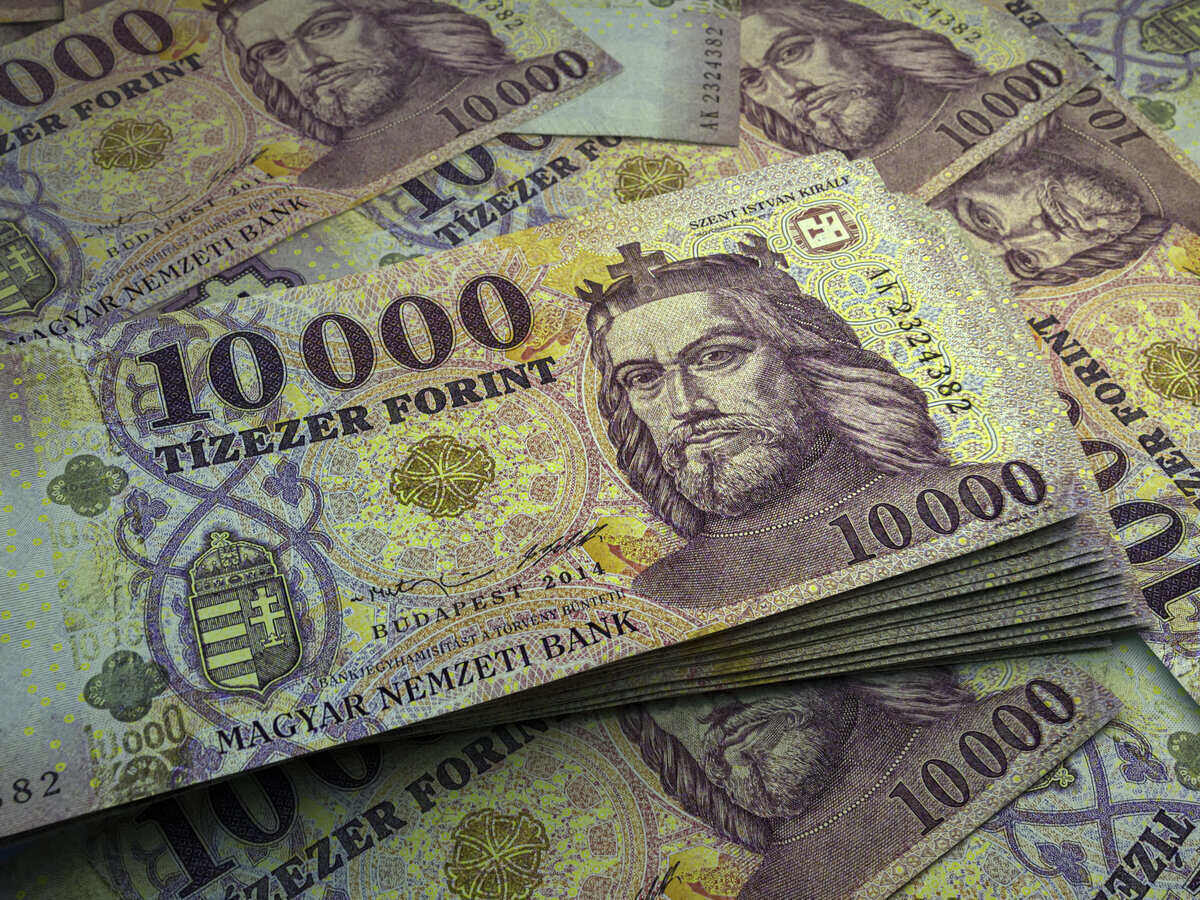
The weakening of the forint cannot be explained solely by macroeconomic fundamentals. Although inflation eased to 3.7% and the current account turned positive, these factors alone should have strengthened the forint. The budget deficit, while less than ideal, likely remained at the planned level of 4.5%, which does not justify such a large depreciation of the exchange rate. Despite underperforming expectations, the economy grew by 0.6%, which also fails to explain a drastic depreciation of the forint.
Speculative attacks also contributed to the weakening of the forint’s exchange rate. According to data from the Magyar Nemzeti Bank (MNB), foreigners’ positions against the forint increased significantly in October, exerting downward pressure on the exchange rate. Currency market movements were further influenced by the rising electoral prospects of US President Donald Trump. Campaign promises, such as protective tariffs and stimulus measures, led to a stronger dollar and a weaker euro, placing additional strain on the forint.
The Magyar Nemzeti Bank continued to ease monetary policy in 2024, reducing its key interest rate from 10.75% at the beginning of the year to 6.5%. While this might have strengthened the forint in line with market expectations, the narrowing interest rate differential and the looser policy stance of regional central banks failed to provide adequate support. Hungarian interest rates also lost relative appeal in the context of policy decisions by the Federal Reserve and the European Central Bank, further weakening the forint.


The ordinary citizen in rural Hungary is struggling..earning way below what the government is suggesting as “mean wage”Orban needs to get off his fat ass and start to provide for Hungarian people. There are billions of euros of money tied up which he (Orban) should free to distribute among the ordinary people of Hungary.