Subscribe to our social channels to get the latest news about Hungary!


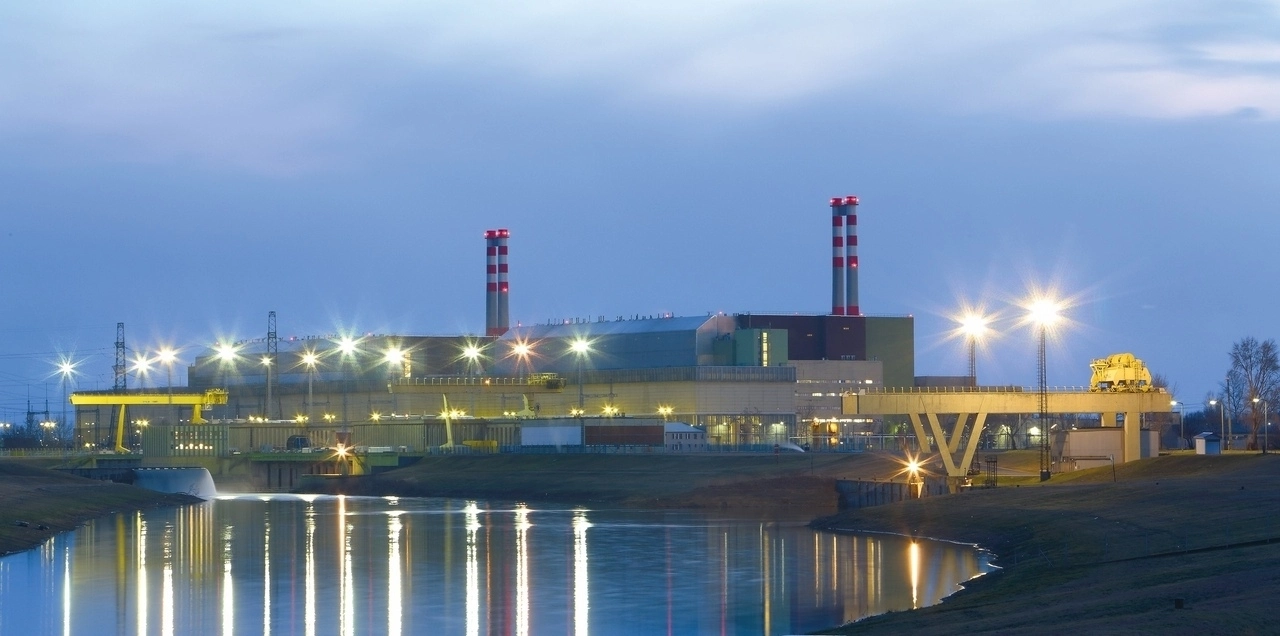
The upgrade of Hungary’s Paks nuclear plant applies the most stringent safety and environmental protection standards, the minister of foreign affairs and trade said on Monday.
The two new reactor blocks being built will be protected by a doubly reinforced concrete wall structure capable of withstanding even the most severe external pressures, Péter Szijjártó told parliament’s sustainable development committee, according to a ministry statement.
“The two new blocks will be absolutely ‘Fukushima-proof’,” the minister said, explaining that the reinforced concrete structure protecting the nuclear facility was capable of withstanding external pressures even as big as a plane crash.
Initial groundwork is under way at the site, and construction permits have been obtained for several buildings, Szijjártó said. Construction of equipment with long production times is also ongoing, and a German-American joint venture is building the diaphragm wall, he added.
“I’d like to assure you that everything happening in Paks adheres to the most stringent safety and environmental protection standards,” he told the committee.
In addition to the 94 Hungarian companies involved in the project, there are American, French, German, Swedish and Austrian sub-contractors working at the construction site, he said.
Szijjártó said measures aimed at improving competitiveness and environmental protection needed to go hand-in-hand, arguing that upsetting the balance between those two objectives could do more harm than good.
He noted that Hungary’s National Energy and Climate Strategy calls for a 50 percent reduction in greenhouse gas emissions by 2030 compared with 1990 levels. Emissions, he added, had fallen by 32 percent so far, while the country was achieving “huge economic records” each year.
Hungary is one of just 20 countries that has managed to increase its GDP while reducing its harmful emissions, Szijjártó said.
Meanwhile, the minister underlined the importance of guaranteeing energy security even during the country’s transition to green energy. “This requires that we treat the green cause as a grounded issue rather than some sort of political and ideological monopoly,” he said.


