Subscribe to our social channels to get the latest news about Hungary!


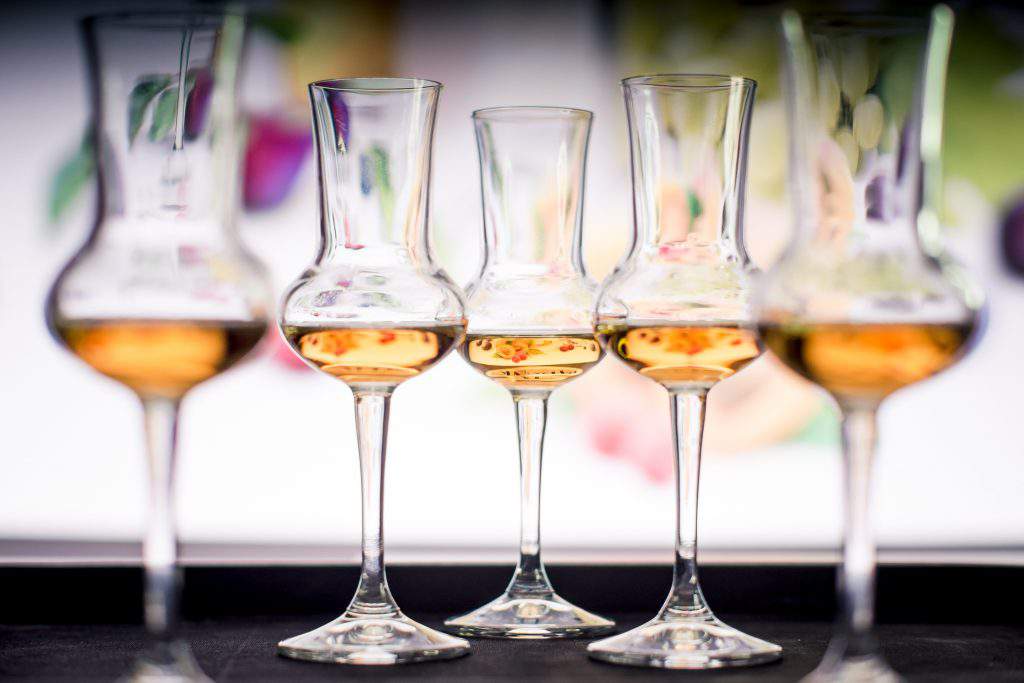
It is hard to imagine a more enjoyable thing than sitting on a swaying wagon and getting ready to eat barbequed meat grilled on a metal grill disc, pancakes filled with cottage cheese and dill, and corn mush than flushing it down with a shot of blueberry pálinka. In Transylvania, all this is possible – Tropical reports.
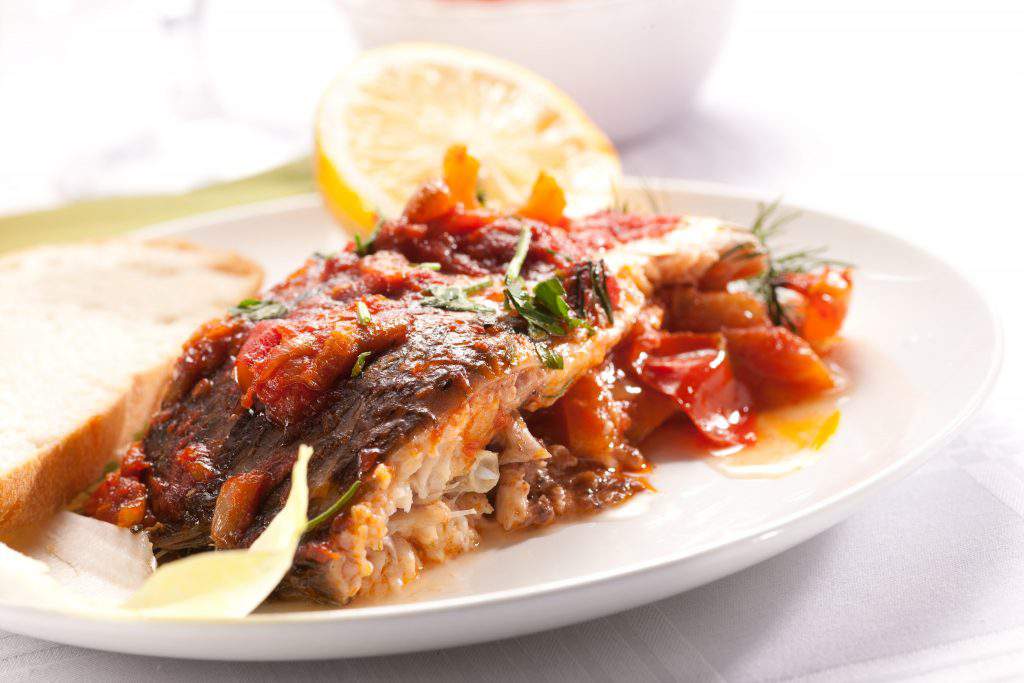
 It is hard to forget the summer I spent in the hospitality of a Székely family in a small village near Brasov, Romania. My hosts made sure to show Transylvanian hospitality at its best: they wanted me to really feel at home, so they decided to show me what does the ideal weekend program look like there. We went up by the carriage along the hillside beyond the haylofts and settled down at the edge of the forest. My hosts made a fire and then took out a large metal disc that was basically used in ploughing and made a majestic garlic roast. The meat was grilled in fat and baked fries was the garnish, and the dessert was pancakes made with local fresh cheese, a kind of curd made of whey and fresh dill. In addition, my hosts made a layered corn mush with sheep cottage cheese for those of us who still had any more room left in their stomach. I must say, it was a delightful feast but I must add that this amount of fresh and fatty dairy was a bit too much for my “urban” stomach.
The polenta was on the table not just this Sunday.
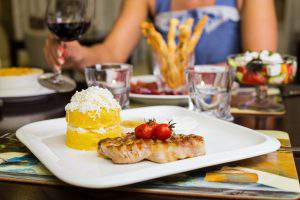
During the week I spent there, I was offered this food on two other occasions. Here in Transylvania, they treasure corn or “málé” dearly, which is serves as basic foodstuff. The attentive reader had probably noticed that corn, or the mush made from the pureed corn are both called “málé”. This isn’t an error or a mistake; in many places in Transylvania they still use this Romanian word for both terms, and for corn flour too. The Romanian word once referred to the millet, but when the American origin of corn appeared in this region in the 17th century through the mediation of the Balkan peoples, the name gradually passed from one plant to another.
In addition to pigs and chickens my host also had these robust animals with Indian ancestors, water buffalos. These tough but capricious animals do not only function as working animals in this area, people here are also keen on drinking the buffalo milk – in fact, these days the latter is the animals’ most important role. Buffalo milk is a very concentrated, nutritious drink and I can say from experience that I have never had such a fatty (about 8 percent) milk. In Transylvania, it is not only consumed raw, they also produce cheeses, curds, cream and sour cream from it. Interestingly, its colour is not yellow because it does not have the carotenoids responsible for this shade.
Nowadays, many famers make mozzarella from it too, as one of the most prestigious versions of this silky, fresh cheese is Mozzarella di Bufala, the raw material of which is the buffalo milk.
The water buffalo and the corn need careful attention but many people also often walk the woods in Transylvania where they collect wild berries. Those who take the risk to compete with the brown bears for these delicacies, can collect baskets full of cranberries, blueberries, blackberries, rose hips and hawthorns. From most of the berries they cook jam on slow heat with some sugar, whereas they usually add only spring water to the cranberries and make an odd, slightly neutral preserve. This red berry has an another traditional recipe; they grind the berries and add a lot of sugar to the cold grist. It must be mixed and stirred for at least one and half hours but the final product, surprisingly, are preserved just fine without heat treatment in the “borkan”, as they call the mason jars in Transylvania. They make not only sweets in the “borkan” but, for example, vinegar tarragon which is used for seasoning.


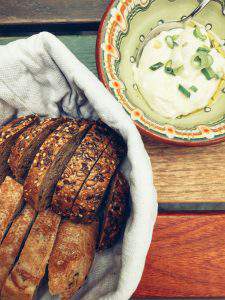 The Armenians came to Transylvania in the 17th century and then, since the end of the 19th century, more and more Armenian-Hungarian mixed marriages have been created, so many Transylvanians today have Armenian identity – in addition to being Hungarian. One of their most important meals, that many people make here is the khurut soup. The khurut, which provides its sour taste, is the heart of this dish. To prepare it, you need milk matured in a large pot for six weeks – the cream that condenses on top should be worked back in well every day, otherwise the food can get sour. If the milk is “mature”, they boil it really creamy in a large copper pan with a lot of grounded parsley, then small, green cones are formed. Any soup can be soured with the khurut, but in the most elegant version, the small cones are dissolved in broth and tiny dough pieces filled with meat are also placed in the soup in addition to mushrooms. Khurut may be an even more exotic ingredient than the cereal juice made from fermented grain, which traditionally provides the sourness of ciorbă.