Subscribe to our social channels to get the latest news about Hungary!


There was a time when owning a mill was not only acknowledged, but also provided a good way of earning money, say magyarmuzeumok.blog.hu. Until today the number of mills has rapidly decreased and most of them function as museums.
Yet, if so, it is clearly worth visiting these places, because we can get to know how they operated and what roles they played back in the days, and also because there is something romantic in visiting a place where these mills are still working and listening to the gentle gurgling of the water.
In the second half of the 19th century, 13,500 watermills and ship mills could be found in Hungary, but the economic development dished the chances of the miller profession, so this craft slowly died out in the country, which resulted in the decay of the mills as well. Wikipedia lists around 155 mills of this kind, only 1 per cent of which is more than 150 years old, although the list is not complete.
Here are only five of them to arouse the interest and recommend some great programs. More information can be found on malmok.hu, patakmalom.shp.hu and Wikipedia.
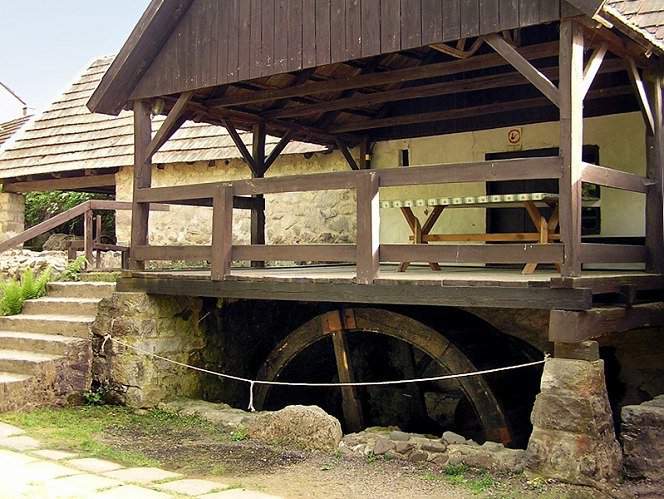
The mill of Velem has been standing in the region Őrség since 1568, first as a property of the Batthyányi family, then of the Sibrik family before it was torn down in 1913 in order to be reconstructed in 1919. Some also call it the mill of Rit, Réty, or Rét, but also Schulter – or Sulter – mill. It was taken into public ownership in 1950, then in order to save the building it was declared an industrial monument and its renovation started in 1980. The mill is still in running order today, and every now and then a presentation is given on how the mill looked like during its operation once.
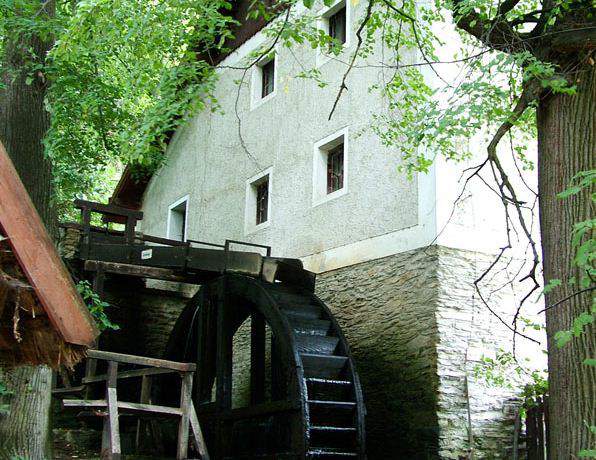
The watermill built by György Széchenyi is from the 17th century, its speciality is that one third of the mill is built on piles like the houses of Venice, Italy. After changing owners a few times it became the property of the Bausz family, but despite the many developments, it finished to mill grain in 1951. After the death of the owner the mill became the property of the owner of the caste. Today an inn and a museum are operating inside.


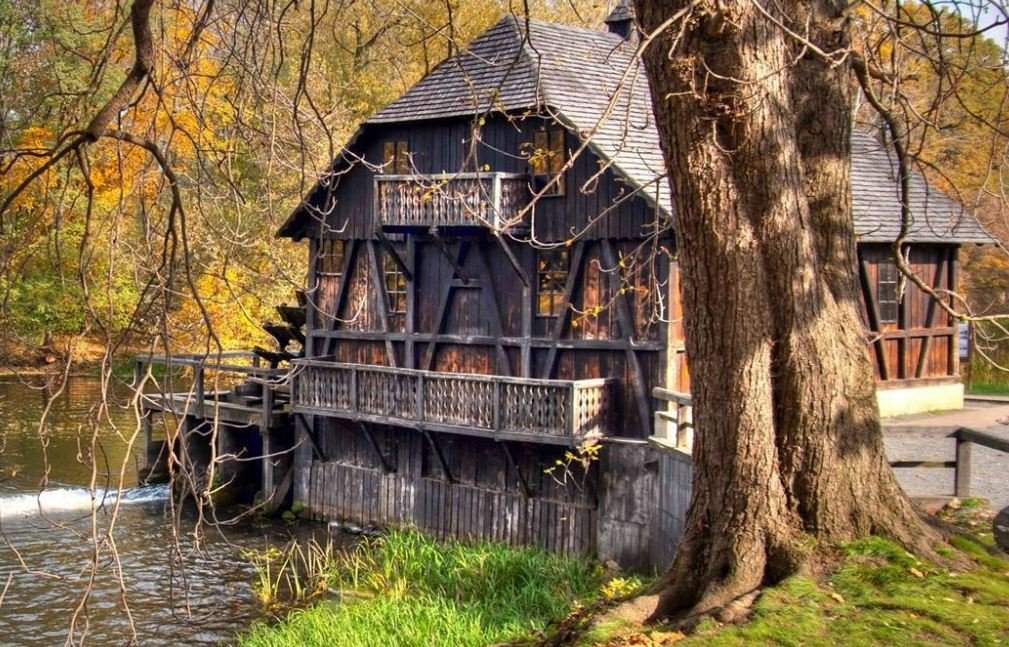
Csak a helyes használat érdekében szeretném jelezni, hogy a harmadik képen látható település pontos neve Túristvándi és nem Túristvánd…
Köszönjük, javítottuk 🙂
Csak a helyes használat érdekében szeretném jelezni, hogy a harmadik képen látható település pontos neve Túristvándi és nem Túristvánd…