Subscribe to our social channels to get the latest news about Hungary!


An important part of Hungarian gastronomy is the many delicious desserts we have. Hungarian desserts can be very diverse, with a variety of fillings. Fruit and traditional fillings such as cottage cheese are still highly popular, while walnuts are also an addition that frequently recur in Hungarian recipes.
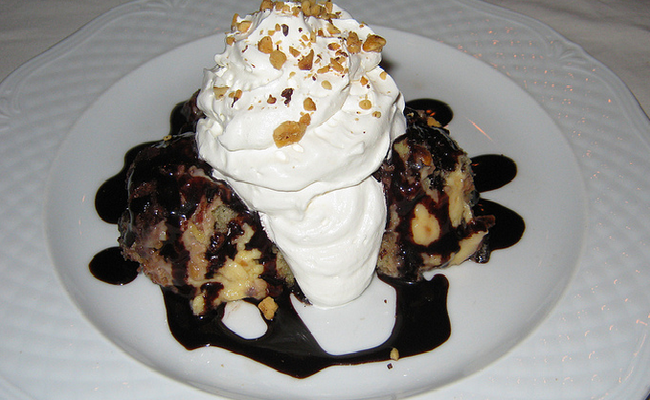
Somlói galuska is an all-time-favourite dessert among Hungarians. With layers of jam, vanilla custard, a sprinkle of walnuts and alternating layers of vanilla- and chocolate-flavoured sponges, this dish is a must when you visit Hungary. Even though its history is quite recent and it has not even been around for a century – it was first made in 1958 for the World Exhibition in Brussels -, we now consider it a true Hungarian classic.
For the recipe to make at home, click HERE.

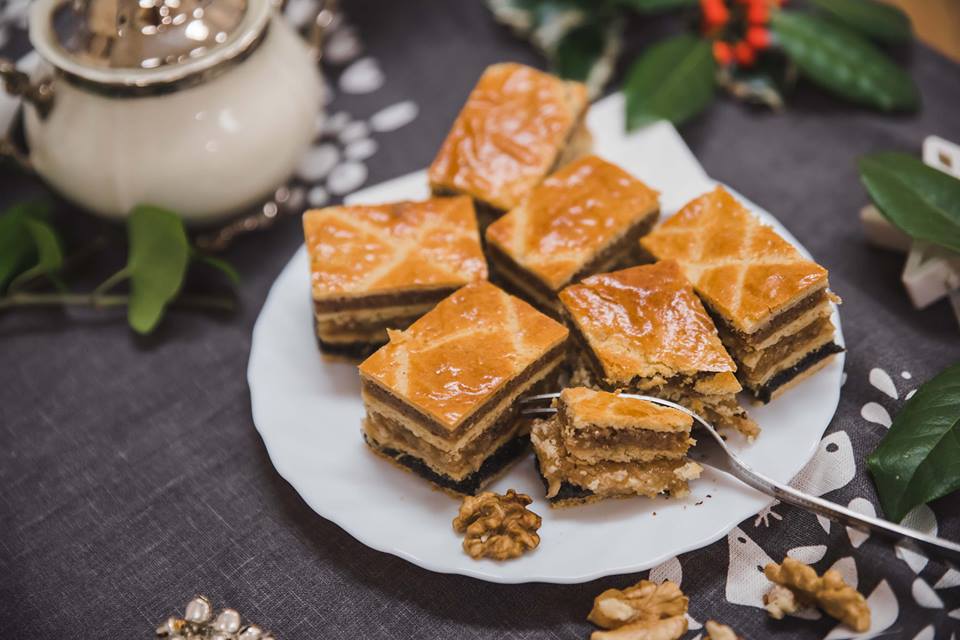
Zserbó cake is another Hungarian favourite with a delicious mixture of walnut, apricot jam and chocolate. It is named after Emil Gerbeaud, the confectioner who moved to Hungary at the end of the 19th century and helped the Hungarian cuisine flourish with his delicious inventions like the cognac sour cherry or the zserbó itself. Originally, it was spelt “Gerbeaud” after its creator, but the huge success and popularity resulted in people adopting and simplifying the name. Today, it is synonymous with the tasty Hungarian desserts one can taste at Christmas, Easter or at Hungarian weddings – but really, it is available in confectionaries all year round, so, you can try it whenever you like.
For the recipe to make at home, click HERE.
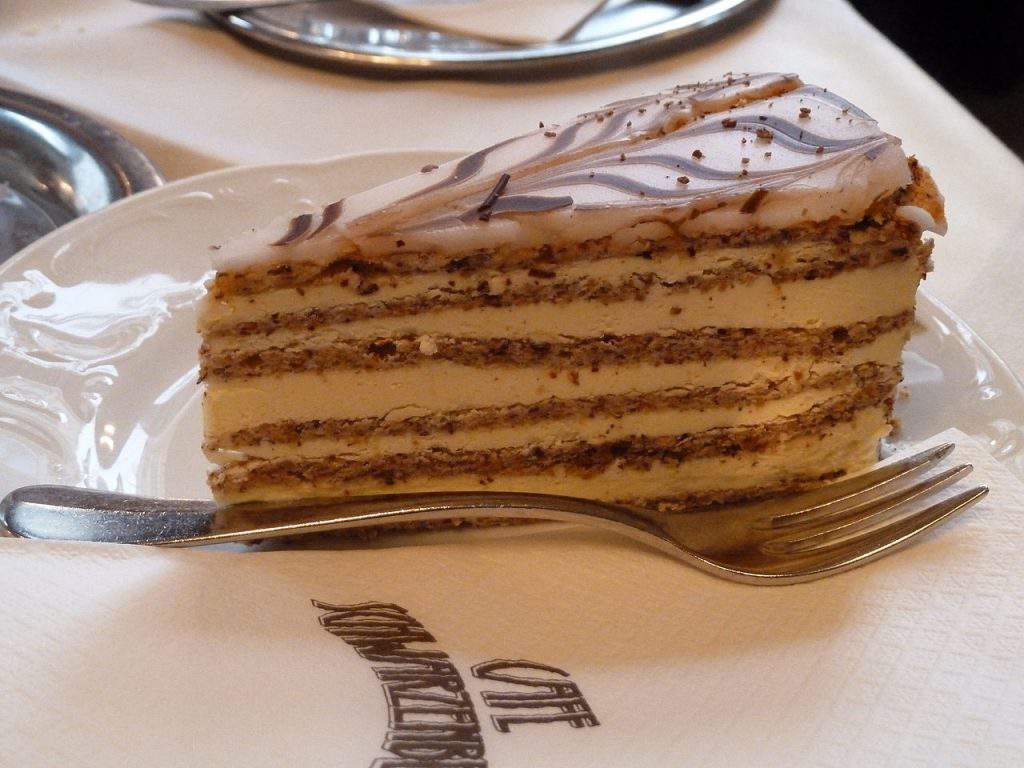
The story of the delicious Hungarian Esterházy cake is a fascinating one partly because it is shrouded in mystery. There are several legends attempting to explain the origins of the cake. Most theories connect it to the Esterházy family, for example to Pál Antal Esterházy, who was quite the gourmet. Others think it must be connected to confectioner Franz Sacher, which would explain its spread to Austria and Germany, too. Whichever theory is true or whether there is a completely different third option, that does not take away from the fact that this delicious cake with walnuts, buttercream and the unique glazing on top is a must for anyone looking for a taste of Hungarian gastronomy.