Subscribe to our social channels to get the latest news about Hungary!


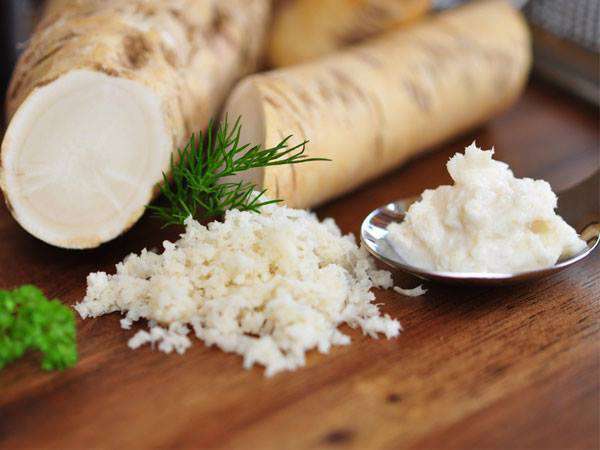
Horseradish is both a spice and a herb – it has numerous health benefits. Most people may associate it with Easter for the most part. However, Hungarian gastronomy offers several ways horseradish can be implemented into everyday meals while still keeping it special for Eastertime.
Eating grated horseradish could truly be part of your everyday diet. It helps with digestion issues and stomach problems, while it is also beneficial to blood circulation. Horseradish is rich in calcium, sodium, magnesium, as well as vitamin C. It has a spicy flavour, so you may need some getting used to it at first. In fact, some say it is similar to wasabi – in Japan, the botanical name of horseradish is “Western wasabi.”
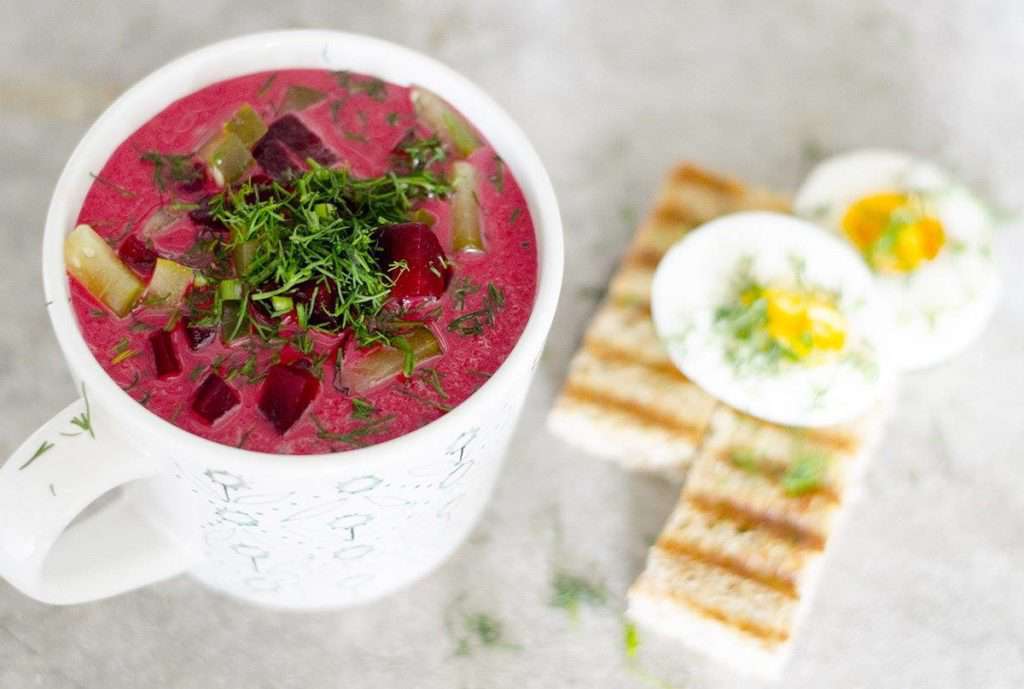
Horseradish is a popular ingredient in meals that involve beetroot. Beetroot is already healthy in and of itself, but adding a teaspoon of horseradish to it really maximises the health benefits. In beetroot soups, apple also often plays a part as an ingredient. Funnily enough, apple and horseradish grated and mixed together also work well, and children often consume it this way.
For the recipe to make at home, click here.
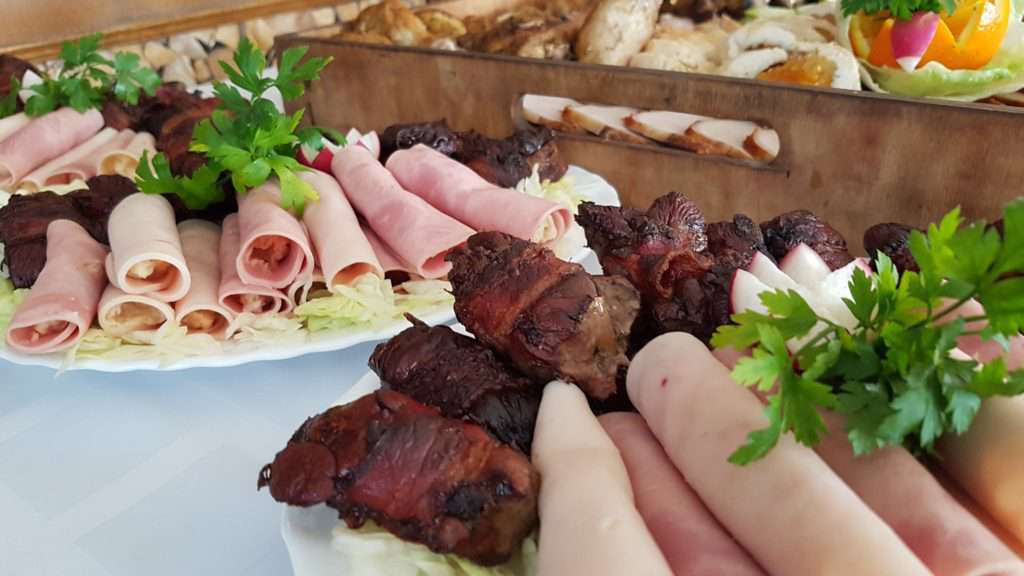
In Hungary, grated horseradish regularly accompanies certain dishes. It beautifully complements meats: you can eat it with beefsteaks or cooked hams. A popular way of eating it is with some sausages or Hungarian black pudding (hurka) and fresh bread. It really gives you that extra spice you might be craving, while the fresh bread can somewhat ease the intensity if you need a bit of a break. At Easter, it is a must on the dinner table, and you can add heaps of it to accompany the traditional eggs, hams, and whatever you feel like.