Subscribe to our social channels to get the latest news about Hungary!


The Hungarian word for Easter is “húsvét” (“taking meat”), which originates from the fact that the first day of Easter is the closure of the 40 days of fast. In Csíkményság, the procession during Easter is often called “kikerülés” (“avoidance”), which shows similarities to the original English word for Easter: Passover.
According to Magyarvagyok.hu, Easter and its relative holidays belong to the movable feasts, as they are not related to the same date in the traditional Julian calendar. It is calculated according to the movement of the moon, so the date of Easter has been debated many times.
Pesach or the Jewish “Easter” is the basis of the European holiday; according to Israelite tradition, this was the day when the Children of Israel fled from the Egyptian slavery. According to the Old Testament, the Egyptian households were struck by the ten plagues, but the Angel of Death avoided the Jewish houses because they were marked with lambs’ blood — that is the reason why Easter is often referred to as the “avoidance.”
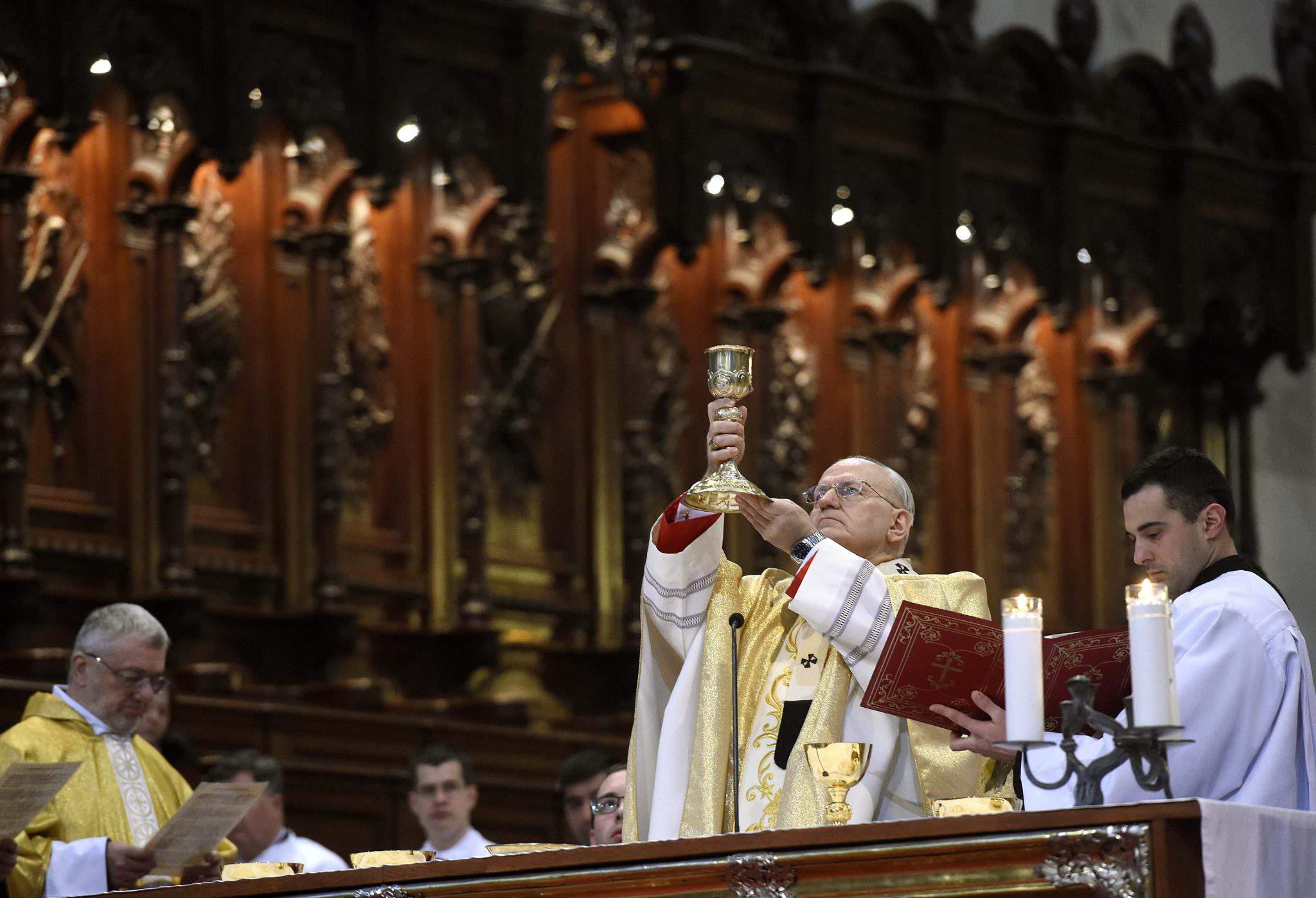
A preparation period precedes Easter called fast (Nagyböjt), which commemorates Jesus’ 40-day-long fast during his journey in the desert. The official closure of the holidays related to Easter is Pentecost (Pünkösd in Hungarian). In Latin, this whole period is called Septuagesima, as it lasts for seventy days altogether.
Easter is most importantly the celebration of the resurrection of Jesus Christ in the Christian world.
It is both the oldest and the most important clerical holiday. The Sunday preceding Easter is Palm Sunday, the celebration of Jesus arriving at Jerusalem among a crowd waving with palm branches. Maundy Thursday commemorates the Last Supper and Christ’s arrest, while Good Friday is the mourning of his sentence to die on the cross. Finally, Holy Saturday is celebrated with a procession, as this day is dedicated to the prophecy coming true and Jesus’ resurrection on Easter Sunday.
One of the most ancient — thought nowadays less known — symbols of Easter in Hungary is catkin, which has also been one of the most important herbs in traditional medicine. Hungarians thought it has mystical powers, so they often burnt it the hearth to protect the household from anything harmful.
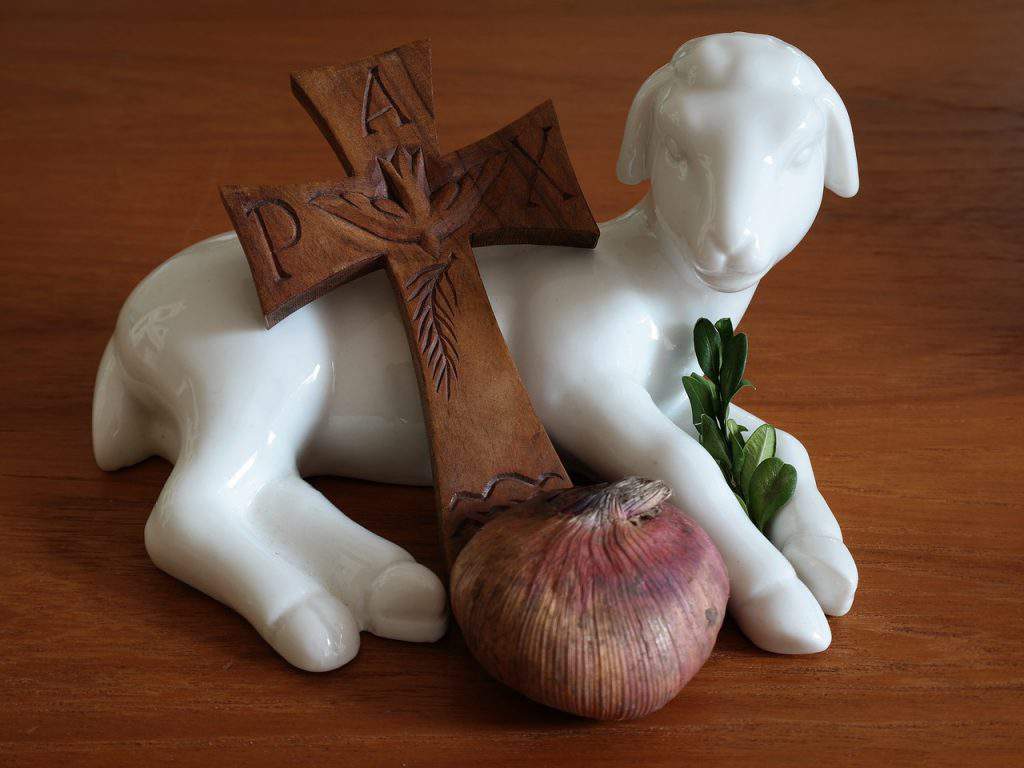
The lamb is the iconic animal of Easter, at least among the more religious population. It has two reasons: first, as we mentioned above, the blood of lambs protected the Jews from the Ten Plagues of Egypt in the Old Testament.
In the New Testament, however, the lamb refers to Christ, who was “sacrificed” for the salvation of humanity, just as the sacrificial lambs in the old Israelite tradition.
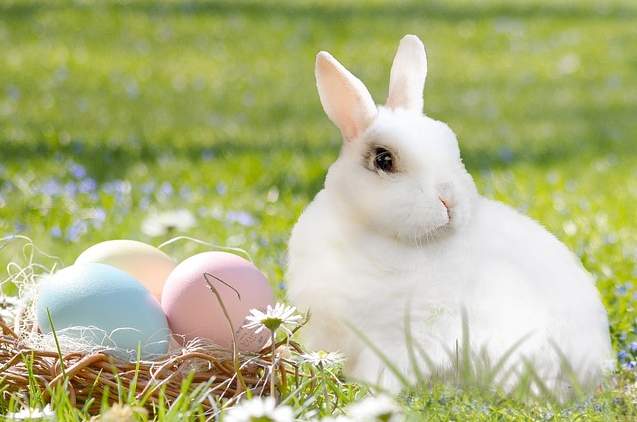
For people less concerned with Christianity, the most significant iconic animal of Easter is the rabbit. It is difficult to explain its relation to the holiday, but the rabbit probably has become a symbol of Easter because of its fertility.
Rabbit is related to Easter eggs for some reason — many claiming that the coloured eggs are actually laid by rabbits — but scholars claim that this misunderstanding has its roots in German culture. In German-speaking areas, it has been a custom to give guinea fowl with its eggs as a present. Guinea fowl is Haselhuhn or simply Hasel in German, while Hase means rabbit. This might be the source of the mixing-up which spread to many placed outside the DACH countries.