Subscribe to our social channels to get the latest news about Hungary!


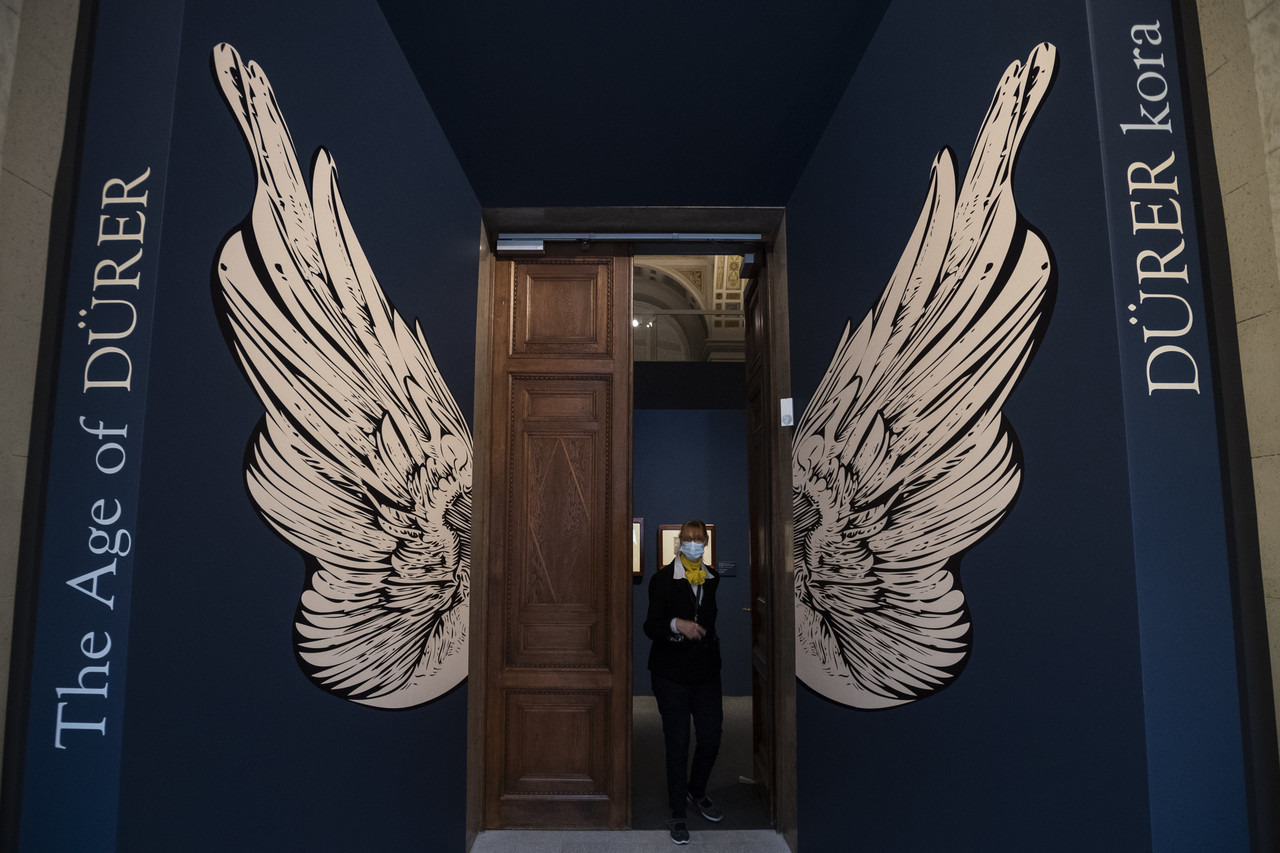
The prestigious collection of drawings by artists outside Hungary at the Museum of Fine Arts, comprising some 9,000 sheets in total, includes a rich variety of early German works. This exhibition features almost fifty of the finest drawings, produced in German-speaking lands over a period of 200 years, from the world of International Gothic, through the Renaissance, until the time of Mannerism. These compositions were supplemented with engravings and woodcuts created by the virtuoso graphic artist of the German Renaissance, Albrecht Dürer.
The core of the Collection of Prints and Drawings came from the Esterházy collection, consisting of 3,500 drawings and tens of thousands of prints, which was purchased by the Hungarian state in 1870. Of crucial importance to the German drawings, Prince Nikolaus Esterházy bought a collection of sixteenth-century drawings in Nuremberg around 1804, which had previously belonged to Paulus Praun, a local merchant.
The majority of sheets shown in this exhibition were once part of the Esterházy collection, and many of those were formerly owned by Praun.
The collection of German drawings was enriched in 1901 when the painter and restorer István Delhaes bequeathed his own collection to the Hungarian state. The museum also made some important acquisitions of its own on the art market.
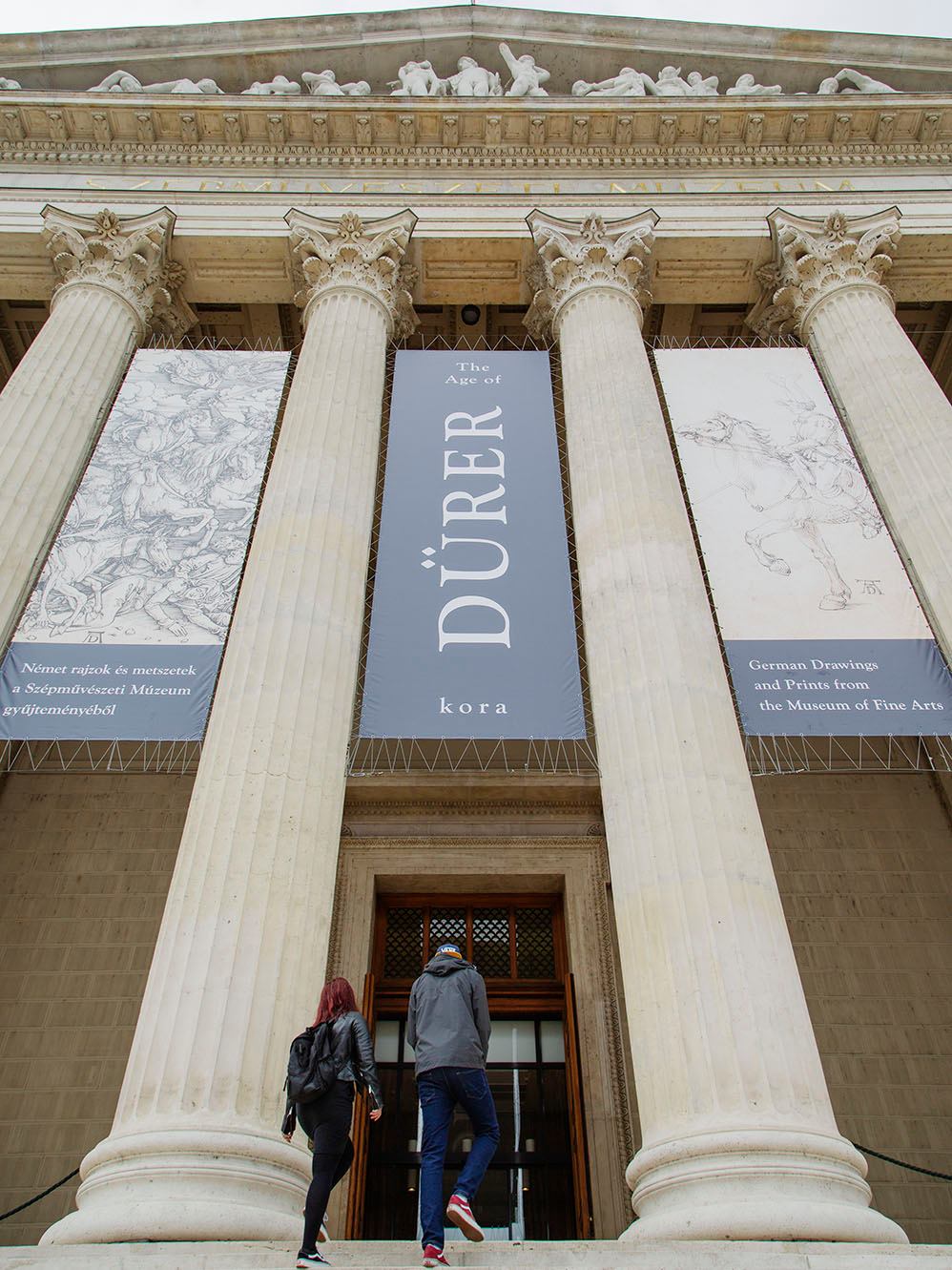
When determining the units in our exhibition, we not only relied on chronological and thematic criteria, but also paid attention to the techniques and functions of the drawings. In addition,


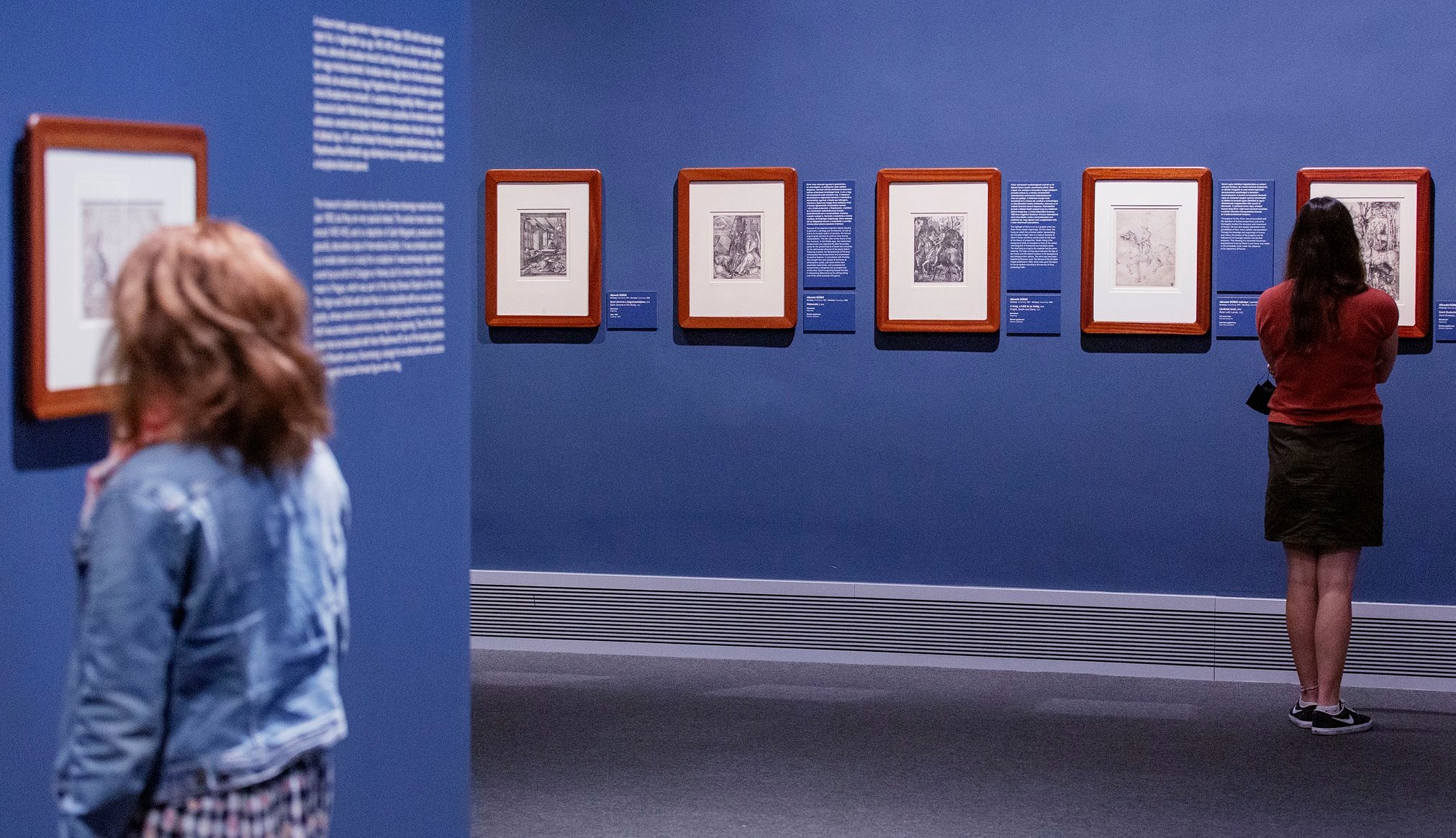
True fine art. Draftsmanship. Composition. Insight. Skill. Not like the excrement that passes for art in the last 100 years (plus).