Subscribe to our social channels to get the latest news about Hungary!


21st February marks the International Mother Language Day; on that occasion, we collected ten interesting facts about the Hungarian language that will surprise you! Do you know why Hungarian is listed among the most challenging languages in the world; and what is the reason of its uniqueness? Let us see the answers! 😉
Contrary to popular belief, Hungarian is not the most difficult language in the world; however, it is among the world leaders.
Some lists rank Hungarian in the TOP 3, while other rankings define it as the seventh most difficult language besides Japanese, Korean, Arabic, Estonian, and Finnish.
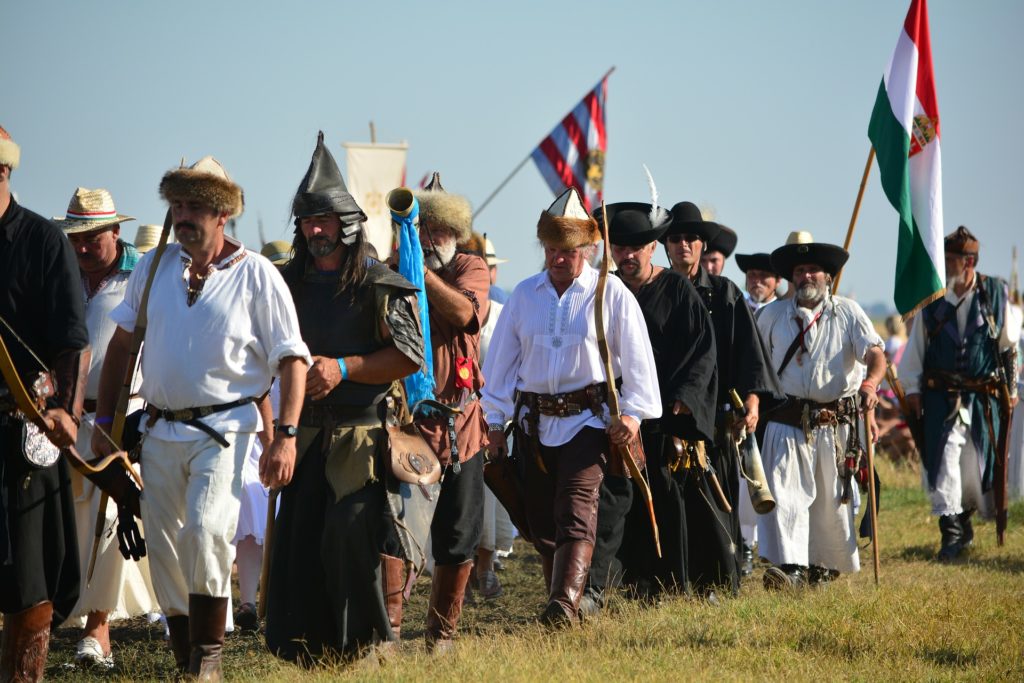
Hungary’s population is nearly 10 million; however, its official language is spoken fluently by more than 13 million people. The extra 3 million speakers include Hungarians living in other countries, and foreigners who have learned our language fluently.
The oldest relic of the language was an ironclad Hungarian runic script that was discovered at the North American Yarmout Bay in Newfoundland.
In the library of the British Museum, we can discover the most valuable Central European manuscript, which was written in Hungarian in 1533. The relic starts accordingly: “Az Ephesom helyeknek yrth Zent Pál levelének elsew capitoliuma”.
According to avilagtitkai.com, the Hungarian language has a very high compression capability which means that long sentences can be expressed only in a few words.
Furthermore, we can describe our feelings and emotions with simple words. Let us see some examples: Segíthetek? (=Can I help you?); Szeretlek (=I love you); Látlak (=I see you); Vártalak (=I was waiting for you).


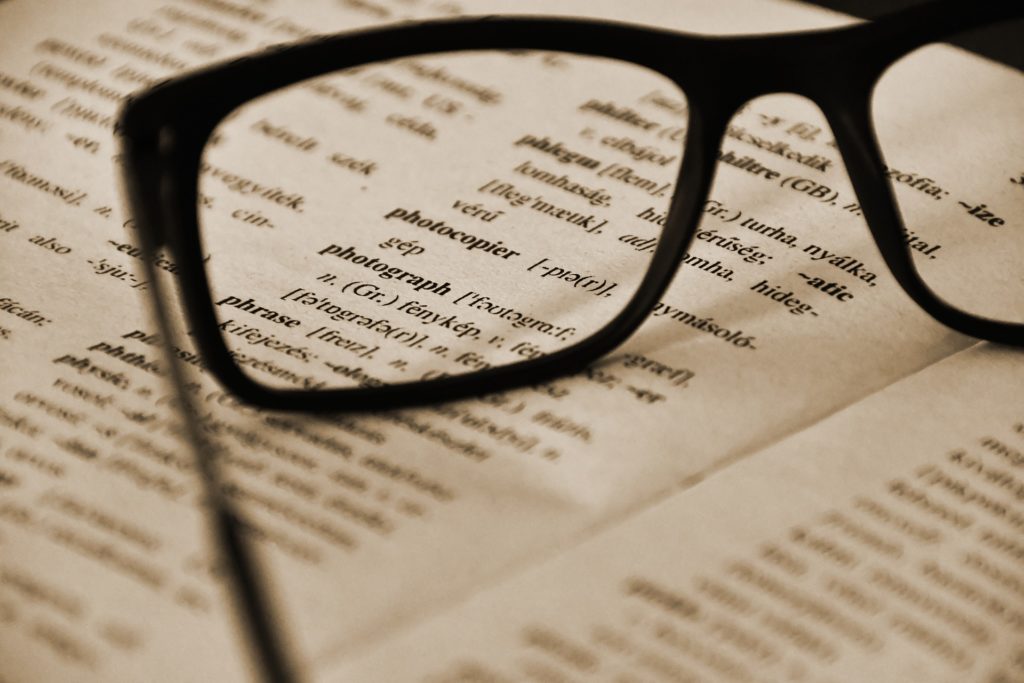
During my 1st. visit to Hungary, I was given to understand the great logic of the Language, thru the word: Brother/Sister.
The word is written thus: TESTVER yet it consists of 2 words linked together,TEST (pronounced TESHT) & VER. Test means BODY & VER means BLOOD.
Now, you make sense of it…
Your article lacks depth and true facts
15 millions people speak the language ; 10 inside and 5 outside of Hungary due to the Trianon treaty in 1920
. The language does not belonge to the Finno-Ugric language
It is the one of the oldest language used in Europe
To the “fact” 8 that says, the Hungarian language belongs to Finno Ugric language family. This is totally wrong! Hungarian language never ever belonged to Finno Ugric languages! Ask Finnish academics, linguistics! This is a made up story, from XIX century! Who’s mother language is Hungarian, know what I am talking about! But to prove it would be almost impossible, so I am not trying to do it.
I mostly agree with the last writer. My understanding is that the Hungarian language more closely resembles the Finno ugric group meaning they share a similar origin, but not that Hungarian belongs to the Finno ugric group. Much of the Hungarian language came from the Tartars a nomadic people who migrated west from as far as China and settled in the Carpathian basin which is now Hungary. This goes back almost to the time of Christ. Some of these people may have also migrated further north.
And this opinion comes from someone who is unable to distinguish between “Who’s=Who is” and “Whose”…. I recommend to hit up “Finno-Ugric languages” on Wikipedia.com for those who are truly interested in this topic instead of trying to outsmart the writer of this article here.
According to an amount of researchings in this matter proves totally well, that the Hungarain language has not much to do with the Finno-Ugric language-family as Suze writes above in details. Unfortunately the “Finno-Ugric is still the official version taught in schools…”, but hopfully not for long! Wikipedia.com has a LOT of misleadings in many historical cases as far as I realized, so I would not follow that line at all. The language has more common vocabulary with the “old Turkish”, but not becasue the 150 years long Turkish-occupation in the country, as we were using these words long before that, but more of the fact, that most of the Turkish people are originating themselves from the Huns/Scithians, just like we, most of the Hungarians do. (The Tatars and most of the nomadic people of Asia or as we put it in Hungarian “the equestrian-nation” were Hun origin as well. So they were all relatives of the Hungarians.)
Ha a Magyarok finnugorok,miért nem finn vagy ugor szavakkal vagy török szavakkal találkizunk a világon minden felé?
Lehet itt olvasni sok jót is, de sokszor van elferdített igazság bennük. Ezeket lehehetne kiigazítani?