Subscribe to our social channels to get the latest news about Hungary!


This series will try to introduce our readers to Hungarian inventions or products that might be less known. You might have heard about József Galamb for example, a Hungarian engineer who helped develop the world-famous Ford Model T. In this article we would like to introduce some other cars that were designed, built or assembled by Hungarian people.
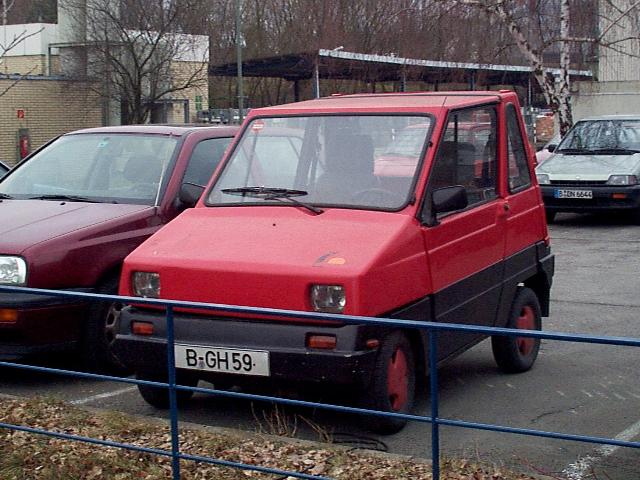
The name of the Hódmezővásárhely Agricultural Machinery Manufacturing Company is associated with the production of the electric-powered small car named ‘Puli’. The small vehicle, mainly designed for urban use, was marketed in multiple body variants; there was a two-seater, an open leisure car and a van. According to Vezess, at first, it was powered by a small diesel engine with a performance of about five horsepower. Later they developed a 7.4 kW electric motor version, which was originally powered by ten 6V 240 amp-hour Perion batteries. The vehicle’s main components came from cars available on the market at the time; Škoda, Polski, Lada, Zuk. The chassis was made of fibreglass plastic, for which they awarded the makers. By today, they have almost completely disappeared from the roads, although there have never been many, to begin with.
Some of them are heavily remodelled and still hold themselves in cemeteries as quiet, though not so elegant hearses. The Puli cost twice as much as a Lada due to custom manufacturing, so it was never really a market hit.

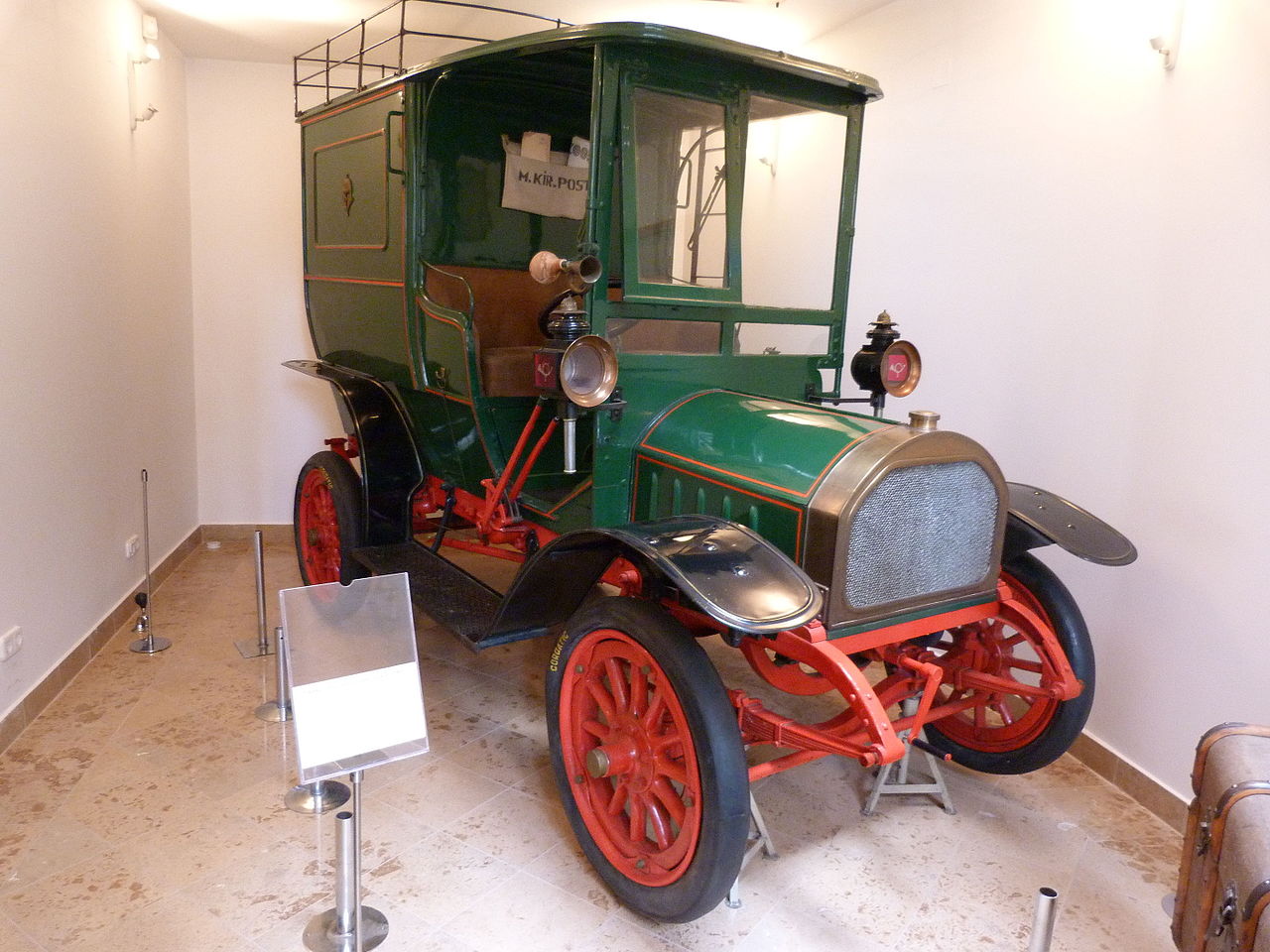
According to Vezess, the Hungarian car production was at its peak in the time of János Csonka. The very first, “truly” Hungarian car was named after its creator, János Csonka. The vehicle was completed at the end of May 1905 and immediately set off from the campus of the University of Technology and Economics for a 2,000 km test drive. It performed very well. Its engine was a four-cylinder, four-stroke water-cooled design with a transmission attached to it. It managed to achieve an average speed of 26 km/h on the rough roads of Transylvania, Upper Hungary and the Great Plain.
The car also had a large cargo space, so it was widely used by the Hungarian Post for decades.

According to Origo, lacking a door, the driver had to climb into the car. Even though the gauges of the car were from a Lada and it had Ikarus seats, the Borbála sports car was the star of the 1989 Hungexpo. It originally started as a hobby car; Lajos Tóth, an engineer of the Institute of Transport Sciences and an outstanding figure of the Hungarian kart racing, built it in his free time. The Platinum Small Cooperative liked the car and wanted to make it in small series production.