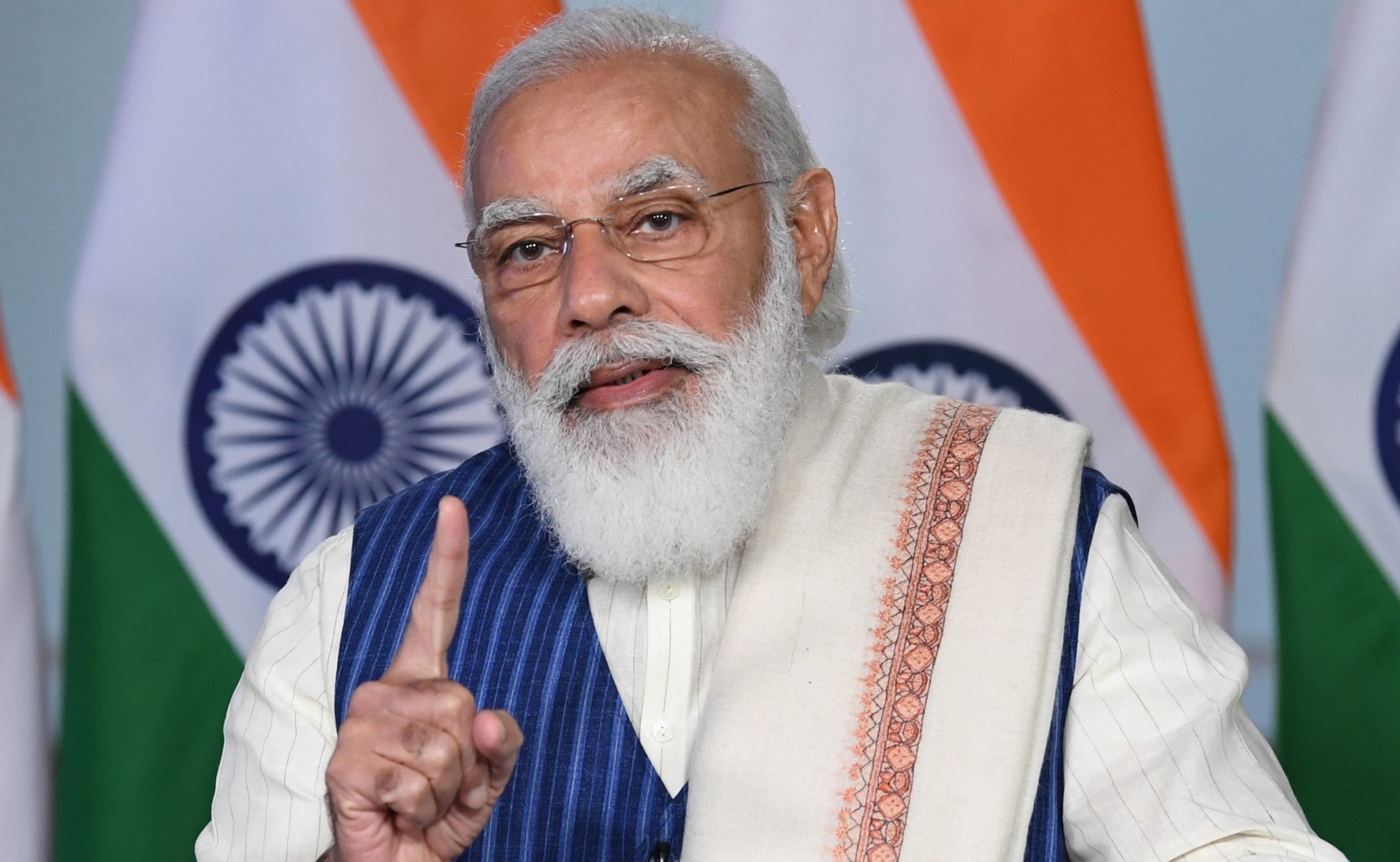
PM Modi has transformed the way India’s cultural diplomacy is perceived globally, connecting the world through its rich and diverse culture, traditions and heritage. Below you may read the article of our guest author, the director of the Amrita Sher-Gil Cultural Centre, Dr. Mukesh Kumar Srivastava.
Culture is considered an important conduit that transcends borders and connects with people. As such, in the last 10 years, we have seen how cultural diplomacy has emerged as a powerful foreign policy tool in strengthening India’s relations with other nations under the leadership of Prime Minister Narendra Modi. PM Modi has transformed the way India’s cultural diplomacy is perceived globally, connecting the world through its rich and diverse culture, traditions and heritage.
India’s global image has been elevated by PM Modi through the five pillars of Indian foreign policy “Panchamrit” – ‘Samman’ (dignity), ‘Samvad’ (dialogue), ‘Samriddhi’ (shared prosperity), ‘Suraksha’ (regional and global security) and ‘Sanskriti Evam Sabhayata’ (cultural and civilisational links), which further underscores the importance of connecting the world through culture.
As the Modi government completes a decade, it is timely to explore the various significant efforts and initiatives undertaken to connect the world through culture.
Vasudhaiva Kutumbakam: Spreading India’s Cultural Footprints
The very edifice of India’s world view is to perceive the entire global community as members of one family, which emanates from ancient Indian Philosophy of ‘Vasudhaiva Kutumbakam’ (The World is One Family), embedded in the Sanskrit scripture, Maha Upanishad. This became conspicuous during the COVID-19 pandemic when India acted as a ‘Vishwa-Mitra’ (World’s friend) by extending its helping hand to the world through ‘Vaccine Maitri’. In more recent time, the theme of India’s G20 presidency, which read “One Earth, One Family, One Future”, also entails the very essence and spirit of ‘Vasudhaiva Kutumbakam’.
Alternate Health Care System: From Yoga to Ayurveda
One of the most significant initiatives in showcasing India’s soft power strengths is the international recognition of the time-tested wisdom of Indian traditional practice of Yoga. In the year 2014, following PM Modi’s call to the United Nations General Assembly, 21 June was declared as the International Day of Yoga (IDY). Thereafter, the IDY has become a global phenomenon, with overwhelming participation of millions of people worldwide in the event every year. Even during the restrictions imposed during COVID pandemic, the ‘WHO mYoga’ app was launched under the leadership of PM Modi to enable easy learning of Yoga and training practices based on Common Yoga Protocol for continued access to its benefits to millions in different languages.
The 9th edition of IDY at the UN Headquarters in 2023 witnessed an overwhelming participation from over 135 nationalities, setting a Guinness World Record for participation by maximum number of nationalities in a Yoga session. IDY 2023 also saw the creation of the ‘Ocean Ring of Yoga’, ‘Yoga for Arctic to Antarctic’, ‘Yoga at North and South poles’, ‘Yoga Bharatmala’ and ‘Yoga Sagarmala’ with the participation of around 23.14 Crore individuals.
Indian Council for Cultural Relations (ICCR), the cultural wing of the government, facilitates in organising IDY worldwide every year through its Cultural Centres, including Amrita Sher-Gil Cultural Centre (ASCC), Budapest, Hungary, as well as Indian Missions abroad. ICCR also empanels Yoga teachers to send them abroad for dissemination of yoga.
In addition, as a result of government initiatives, Ayurveda has come to be recognised as an alternate health care system in many countries across the globe. In 2014, the government granted the Department of Ayurveda, Yoga, and Naturopathy, Unani, Siddha and Homoeopathy, known as AYUSH, a Ministry status. The Ministry is responsible for policy formulation, development and implementation of programmes for the growth, development and propagation of Ayurveda, Yoga, and Naturopathy, Unani, Siddha and Homoeopathy.
The fact that Ayurveda is acknowledged as a system of traditional medicine in more than 30 countries, and Ayush products exported to over 150 nations showcase its widespread adoption internationally. It is estimated that the Nutraceutical Market in India, which stood at $4 billion in 2020, is expected to reach $18 billion by 2025.
Moreover, regulatory frameworks for the practice of Ayurveda and government approved courses for practitioners exist in countries like Australia, Switzerland, Mauritius, Malaysia, New Zealand, Serbia, South Africa and the United Arab Emirates. Permission to practice Ayurvedic medicine are allowed in countries, including Argentina, Bahrain, Canada, Ghana, United Kingdom, USA, Netherlands, Oman, Qatar and Singapore. Also, in Hungary, the practice of Ayurvedic medicine is recognised as part of naturopathy.
Connecting through Cultural Traditions and Heritage
Celebrations of the Indian festivals in various countries, with overwhelming participation of people, showcase the growing popularity of India’s rich traditions, including art, dance and music forms, language, literature, and culinary practices. In promoting India’s rich cultural heritage, ICCR, through its Cultural Centres, spread in 37 countries, has been engaged in organising cultural festivals in India and abroad, deputing Chairs of Indian Studies and Languages abroad, providing scholarships/fellowships to foreign students/ scholars to study in India, instituting World Sanskrit Award, Distinguished Indology Award, Distinguished Alumni Award, Annapurna Award, and other such activities/initiatives. Recently, the inclusion of the Garba Dance as the 15th element in the UNESCO’s Representative List of Intangible Cultural Heritage (ICH) of Humanity stands as a testimony to the unwavering efforts of the government.
Additionally, the conservation and restoration of significant civilisational and religious sites under the framework of ‘Vikas Bhi Virasat Bhi’is also reflective of the government’s efforts to promote India’s culture. As part of conservation and restoration initiatives, Kashi Vishwanath Corridor in Varanasi, Ram Mandir in Ayodhya, Mahakaal Lok Projectin Ujjain, theMaa Kamakhya corridorin Guwahati, Buddhist circuit, to mention a few,are important milestones.
Efforts have also been undertaken at preservation of Indian cultural and spiritual heritage abroad by the government.The inauguration of the Bochasanwasi Akshar Purushottam Swaminarayan Sanstha (BAPS) Mandir, the first Hindu temple in Abu Dhabi, UAE, by PM Modi is a testimony to connect with the world through culture. PM Modi has aptly described this milestone as ‘a symbol of shared heritage of humanity’.
In preserving cultural heritage, priority has also been given to retrieve artefacts from foreign countries. Because of the efforts of the Modi government, as of 2023, the Archaeological Survey of India (ASI) has retrieved more than 340 antiquities of Indian origin from foreign countries since 2014.
Furthermore,to safeguard India’s ancient civilisation a total number of 46 projects at a cost of Rs 1629.17 crore covering pilgrimage sites across the country have been approved under PRASAD (Pilgrimage Rejuvenation and Spiritual Augmentation Drive) scheme by the government as of December 2023.
Through several cultural exchange programmes and initiatives, the Modi government has encouraged interactions between artists, scholars, and cultural practitioners from India and other countries as well as prominent leaders from fields of politics and others, fostering greater appreciation for its cultural contributions. Flagship programmes of ICCR including Incoming and Outgoing Cultural Delegations and Academic/ Distinguished Visitors Programme strive to achieve this objective.
Connecting with Indian Diaspora
Indian diaspora is one of the crucial components in the propagation of Indian culture abroad. Ever since PM Modi assumed power, he has always prioritised on the importance of Indian diaspora. He emphasises on the diverse roles that Indian Diaspora play in different fields as “Brand Ambassadors of India”, including culture. Several steps have been taken to connect both younger and older generations with their cultural roots and carry forward their culture and traditions across the globe, including ‘Know India Programme’ and ‘Pravasi Teerth Darshan Yojana’.
Leveraging Modern Technologies and Platforms
One of the distinctive initiatives in promoting cultural diplomacy is reflective of the way the government is leveraging modern technologies and social media platforms to showcase India’s rich cultural legacy and history to the world. Initiatives such as the ‘Digital India’ programme and the ‘Virtual Museum’ of Indian Cultural Heritage has enabled to digitise, document and display India’s cultural artefacts and traditions, ensuring accessibility to people globally. To connect and engage with the Indian diaspora and lovers of Indian culture across the globe, initiatives such as the India@75 and CHALO India, have been undertaken. These initiatives facilitate to preserve Indian culture and share it with the world.
In Conclusion
Modi government’s diverse programmes and initiatives for the dissemination of Indian culture is contemporary; yet deeply rooted in ancient traditions and convictions of ‘Bharat’. It is indeed a ‘Modi-fication’ in the way that Indian Cultural Diplomacy is perceived in contemporary times. By showcasing the vibrant mosaic of Indian culture, traditions and heritage, and facilitating cross-cultural dialogue, mutual respect, and appreciation among nations, the ‘Modi’ way has enabled ‘New India’ to connect the world through culture.
—–
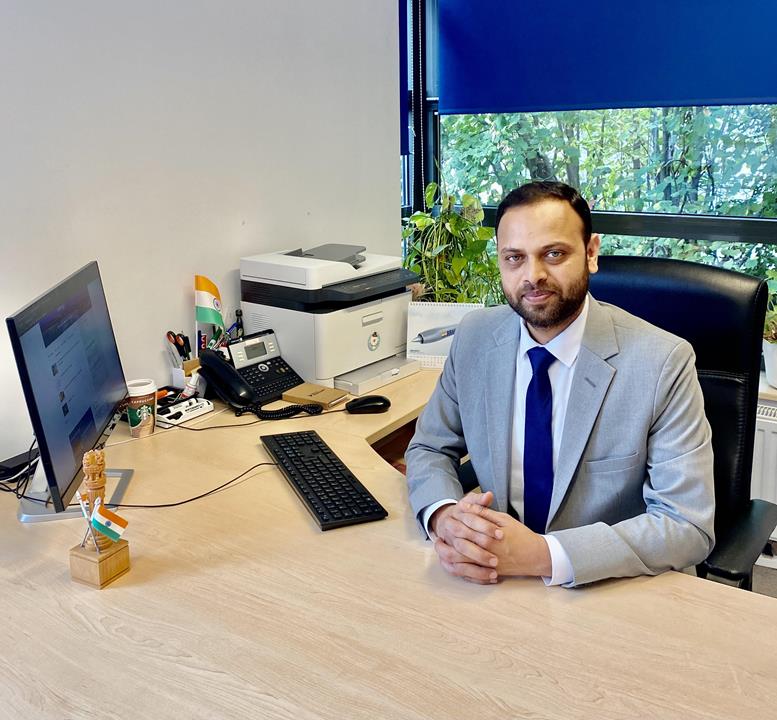
Guest author: Dr. Mukesh Kumar Srivastava
Dr Mukesh Kumar Srivastava
Director,
Amrita Sher-Gil Cultural Centre, Embassy of India, Budapest, Hungary