Subscribe to our social channels to get the latest news about Hungary!


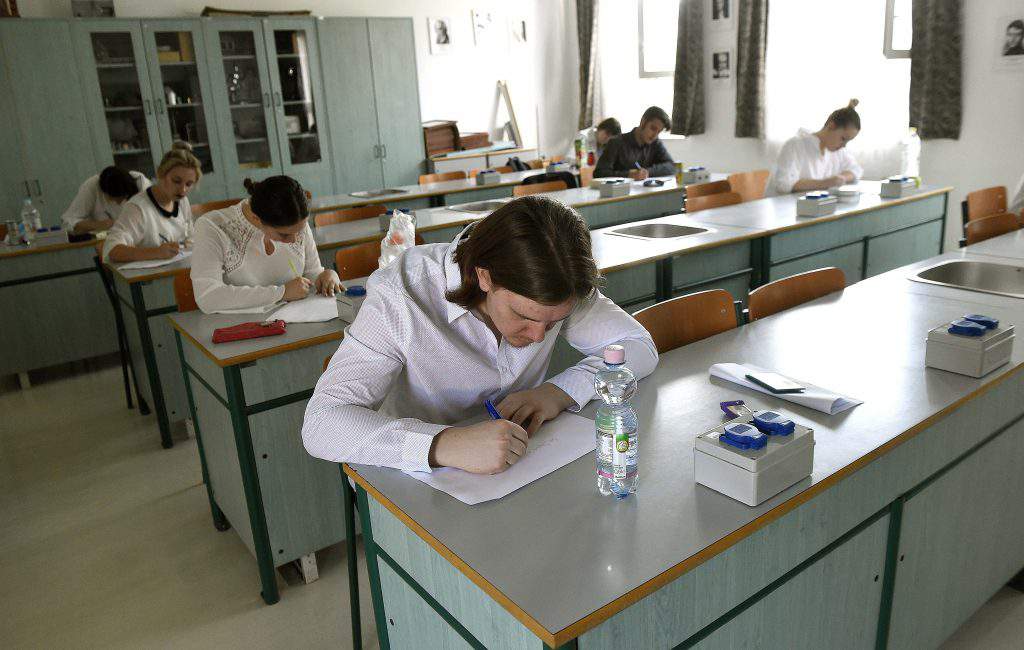
The last year of secondary school is an important phase of every adolescent’s life, abounding with decisions about work or further studies and the challenges of sitting final examinations. In this article, you can learn about the most important tradition of high school graduation in Hungary: ballagás, or farewell ceremony, and the dreaded five days of érettségi, or “maturity” exam, that follow.
On the Friday preceding the first full week of May, all secondary school students in their last year take part in a rather peculiar tradition that dates back to the end of the 19th century. Classmates line up (according to the alphabetical order of the class roster), hold on to each other’s shoulders with their head teacher in front, and slowly stroll through the classrooms and corridors of the alma mater adorned with flowers as well as the surrounding streets — hence the name “ballagás”, literally “ambling, strolling”. They sing traditional farewell songs about the passing of youth, saying goodbye to fellow mates, and adulthood that is on the threshold of this important juncture in life. Friends and relatives are invited to watch the ceremony, usually burdening the already emotionally burdened young people with bouquets of flowers. Following this little walk, the leaving classes are usually honoured by the principle’s speech in the schoolyard, with junior students giving small performances.
According to eduline, the first ceremony of this kind was held in the 1870s in Selmecbánya, a town now belonging to Slovakia, by college students, and it was only later that the tradition was taken over by secondary schools. Colleges and universities no longer do the ballagás, but it spread “downward” on the educational system, so to speak, as it has become a tradition both in primary schools and even kindergartens! But the high school version, arguably, remains the “real deal”, as it marks the passage from adolescence to legal adulthood, with most people turning 18 at this point.
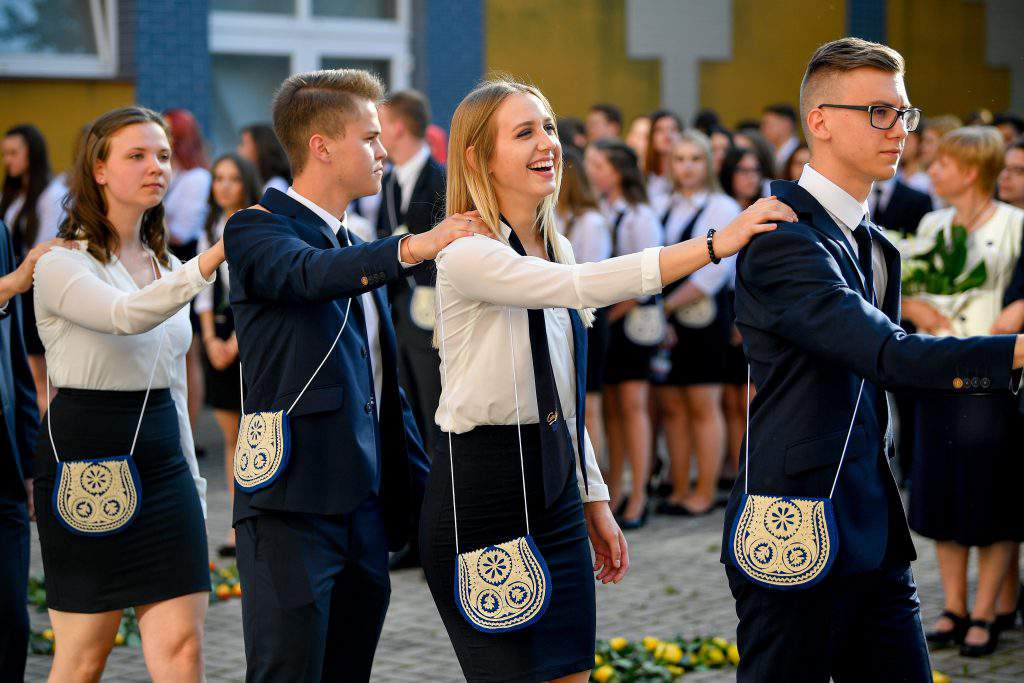
You may be wondering what purpose the little bags on the shoulders of the school-leavers serve. Well, this small sack, often printed with the year of graduation, is one of the central symbols of the whole event, and it traditionally contains four important items: