Subscribe to our social channels to get the latest news about Hungary!


Harvesting has a great tradition in Hungary as, in addition to hard work, it was celebrated with delicious snacks, beautiful wines, parades, music, and joyful get-togethers. Here are the most important customs and traditions related to this period, many of which are still held today.
In the 16th-17th centuries, the harvest was a true holiday, for which even the knights who fought in a foreign land returned home. It was an unmissable event, an important part of social life and, last but not least, an important place for getting to know each other. During that period, legislation was suspended. According to Vylyan, the custom of balls emerged only in the 18th-19th centuries, within the framework of which the harvest work was closed with dinner and a dance. In addition to dancing, wine drinking could not be missed either. This often resulted in small fights without which no real harvest fun could pass, reported Borászportál. Harvest balls had a special social significance. In some cities, it was thought that if someone did not go to the harvest ball, they would stay unmarried forever.
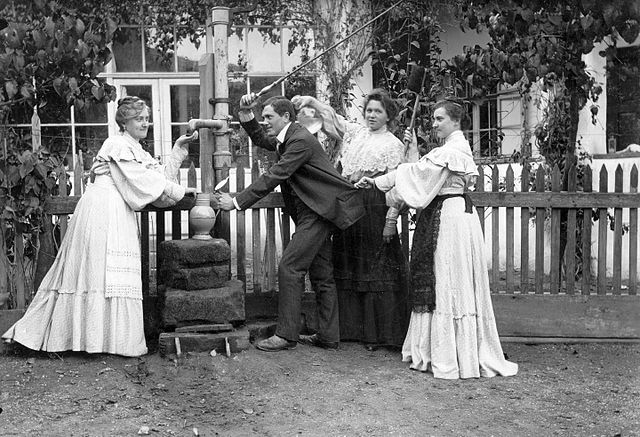
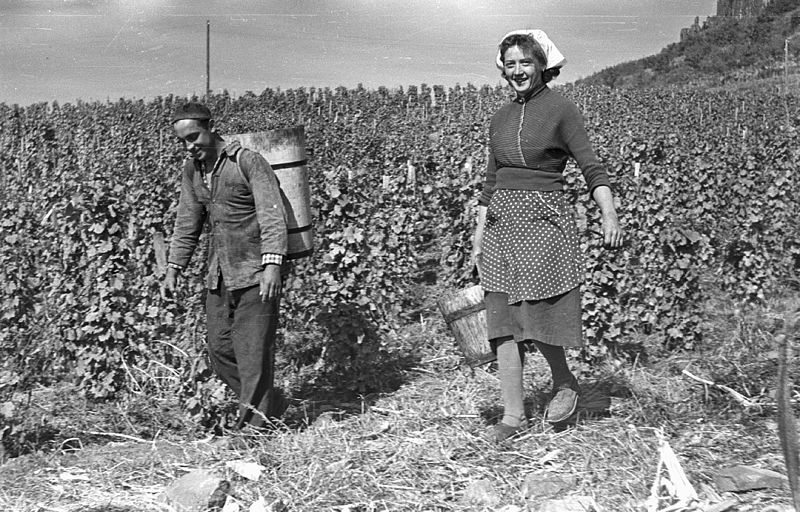
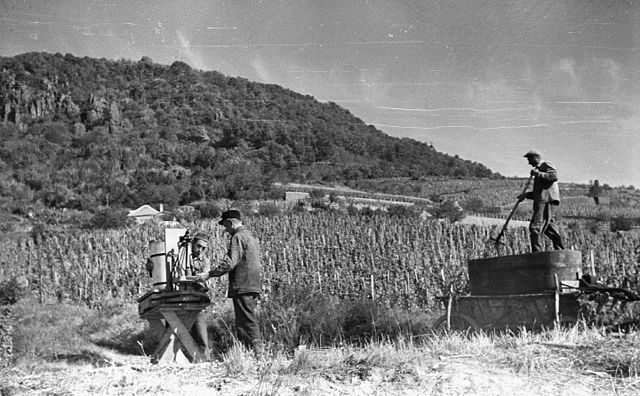
Traditionally, harvesting started with noise, rioting or pistol shots, after which the work began. The girls and women picked the grapes in a bucket or basket and the men collected the grapes in their grape gathering baskets called “puttony” in Hungarian, which were made of wood at the time. The grains were usually crushed by bare feet, most commonly by a young lady, before being pressed, after which the actual winemaking began. The countryside was loud with cheerful songs and jokes during the work.
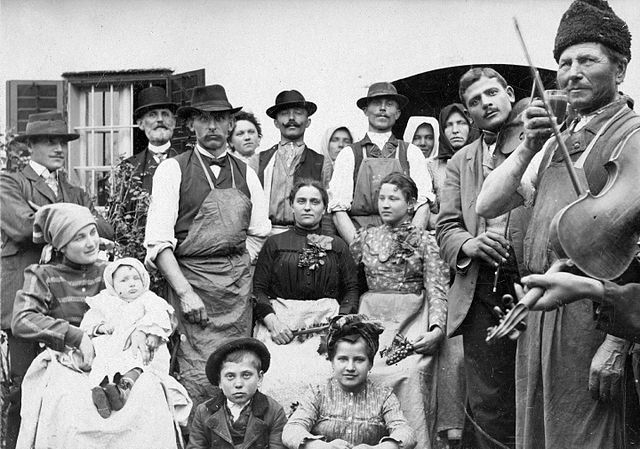
At the end of the day, the harvesters wore a vintage wreath on their shoulders, which was a wreath of bunches of grapes decorated with wheat and ribbons. It used to be gathered at the landlord’s gate to praise the crop, and the landlord held a dance party in the evening. In connection with the harvest ball, the day ended with a parade which is still celebrated in many places.


RrMy great grandfather owned 70 percent of a village called Chardon , vineyard, the vines were taken during WW1 ,my father was born 1913 was the first grandchild