Subscribe to our social channels to get the latest news about Hungary!


Even though it’s coming late, the electronic ticket system will be reality in the capital city, but as hvg.hu informs, this is not the only development the city administration plans to introduce in order to make Budapest a ‘smart city’.
The new electronic ticket system will start its test run on July 1st at Kálvin square. According to Péter Szegvári, consultant of the capital’s local government, the new e-IDs can be used during the test run. (A similar system was introduced as a trial at MÁV and Volán at the beginning of 2017.) However, it is not only the e-ID that is going to be implemented but also a mobile application. The launch of the new system is expected to be in 2018.
It’s been four years since the testing of the ticket barriers at Corvin square, Budapest even got a loan from the European Bank for Reconstruction and Development. Péter Szegvári argues that back then the city leadership was considering paper based tickets, but the final system will be purely electronic – no paper waste.
At a conference in Vienna, Szegvári talked about the PURE project: the first innovation in Hungary, for which the European Investment Bank will provide help via the European Fund for Strategic Investments. Though, the PURE project is not only about Budapest, Ghent and Copenhagen will be involved as well. Regarding Budapest, the developments will take place on the shores of the Danube, in the social rehabilitation regions and in the brownfield belt.
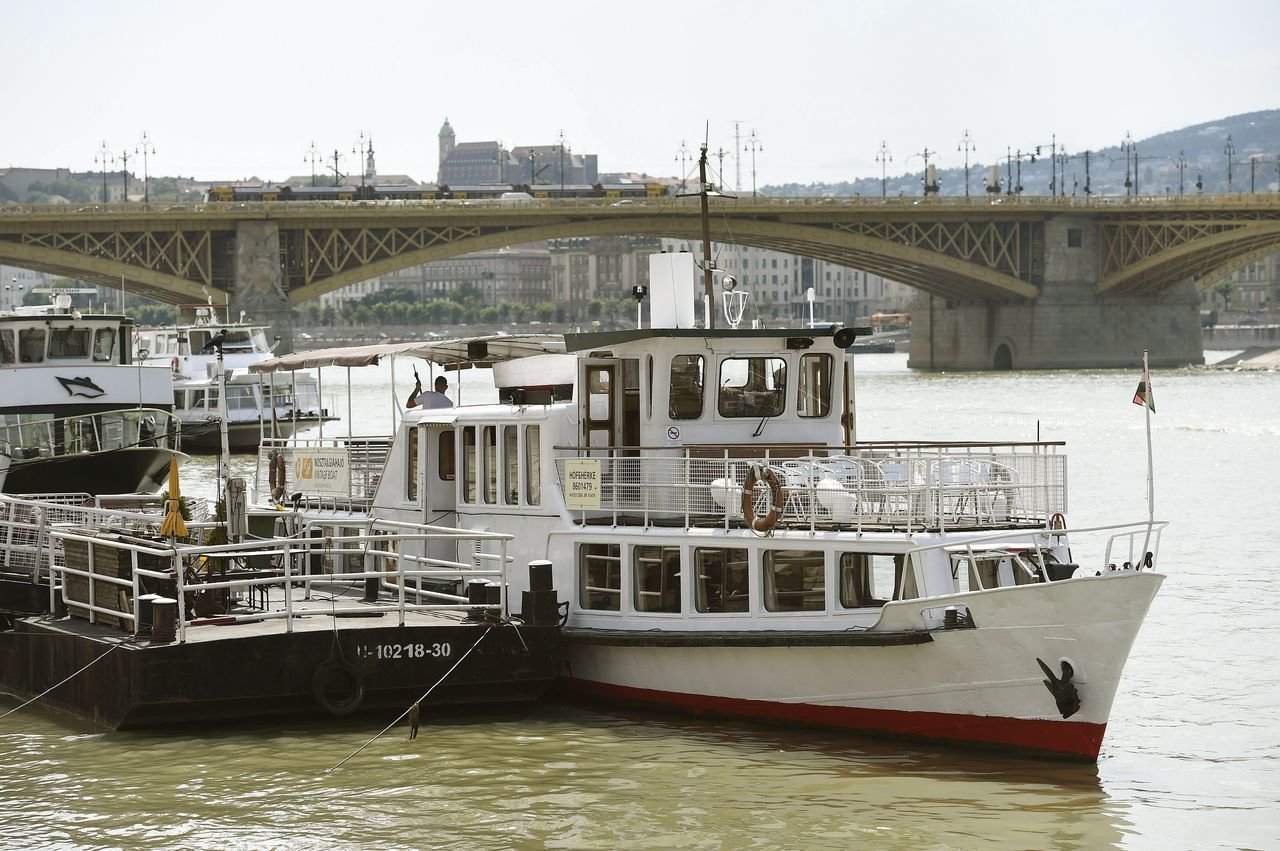
There are several developmental plans; one of them is the full integration of the BKK ships into the city’s public transport system. Additionally, there will be a corporate transportation provided for the goods delivered to Budapest through the Freeport at Csepel.
Thematic development is not new either, and in 2014-2015 the plans for the Smart City were devised, although it was only in January 2017 that the general assembly accepted them. The innovations are funded mostly by different EU programmes, as there is a limit on national funds, because of the economic advancement of the city. This is where the EFSI comes in, or help straight from Brussels, for example, the Horizon 2020 innovation funds, or LIFE, which subsidizes nature- and environment protection efforts.