Subscribe to our social channels to get the latest news about Hungary!


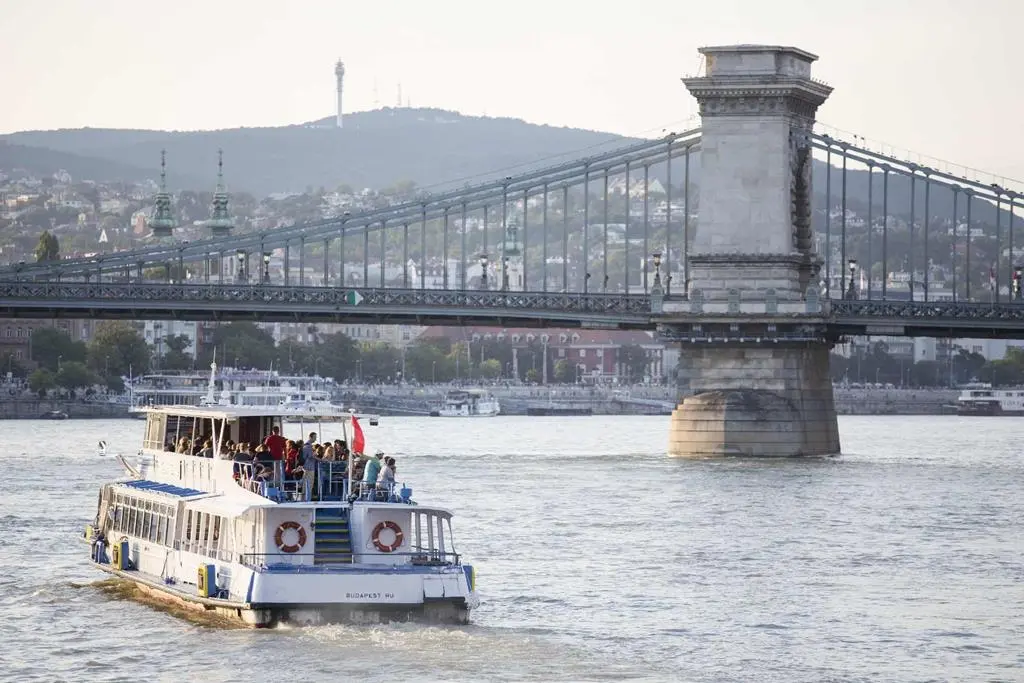
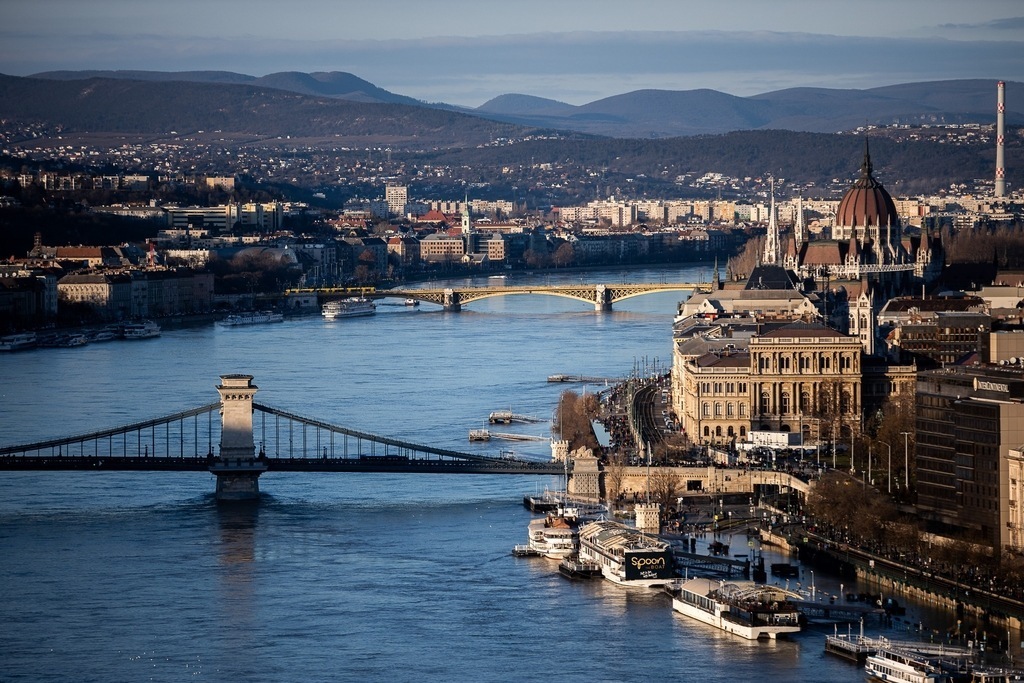
The port in Újlipótváros is planned to be designated for foreign hotelships rather than passenger ships. Hungarian boatmen expressed concerns that this shift would not only endanger their livelihoods but also pose risks to the Danube environment and residents living along its banks.
The reorganisation of the Danube’s banks, still in the planning stage as amendments are made to the Danube Building Regulation, has drawn concern from the Passenger Boaters’ Association, according to Blikk.
They are sounding the alarm over potential risks to smaller Hungarian companies currently operating in the ports of the new port district if the plan is executed by the capital.
Zsolt Varga, President of the Passenger Boaters’ Association acknowledged the perceived dangers in the plans but hopes that decision-makers will prioritise the interests of all parties involved and that the consultation process will lead to a reassuring outcome before a final decision is made.
They contend that if the plans are approved, residents should anticipate a significant increase in traffic due to buses attached to continuously operating boats carrying passengers.
The association argues that this new proposal will not alleviate the concerns of residents in the new suburb, particularly a larger and more problematic issue, as the larger and bulkier boats will further obstruct the view of the Danube, contradicting the plan’s goal of “giving the Danube back to the residents.”
The current shore power infrastructure is insufficient to support cabin cruise ships, necessitating that their generators run continuously while docked, especially during late hours, which could significantly disturb nearby residential buildings. Previous complaints from residents have highlighted noise and disorderly operation as major concerns.
Furthermore, several shipping companies are apprehensive that if the regulations are integrated without modifications, it could render the entire shipping industry economically unviable. This could result in public and recreational boating services becoming inaccessible to a significant portion of society due to anticipated significant price hikes.