Subscribe to our social channels to get the latest news about Hungary!


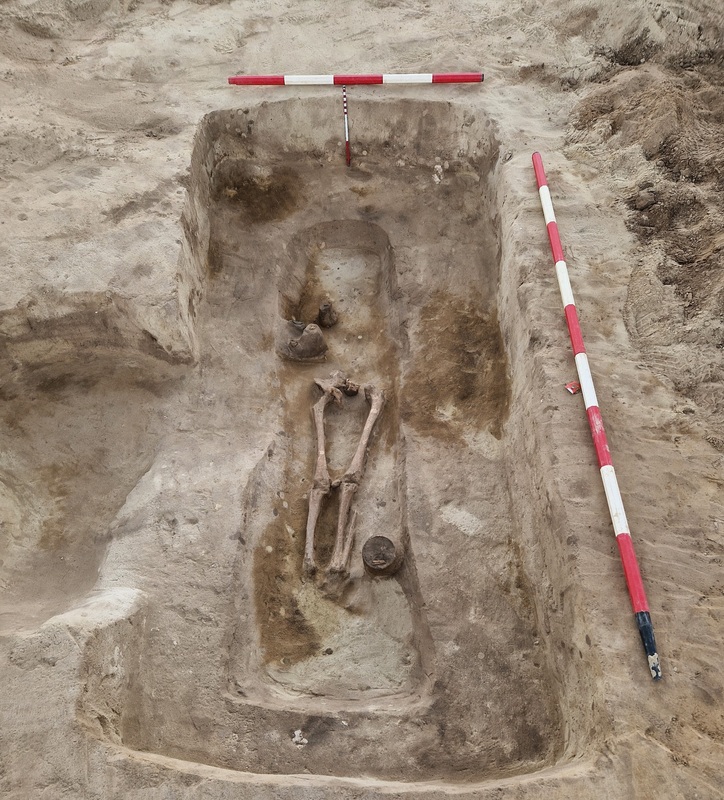
A recent archaeological discovery in the town of Mórahalom, Hungary, has shed new light on the region’s ancient past. During groundwork for two new artificial turf soccer fields at a planned sports complex, archaeologists from the Móra Ferenc Museum uncovered a 3rd-century Sarmatian cemetery. The graves, pits, and ditches found at the site not only enrich the historical narrative of Mórahalom but also offer valuable cultural insights into everyday life in antiquity.
According to Lelépő, most of the excavated graves had been previously disturbed, resulting in displaced skeletal remains. Several graves revealed the use of log coffin burial practices: the deceased were laid in coffins divided into two sections and held together with wooden clamps. These burial customs align well with 3rd-century Sarmatian traditions, when this nomadic group settled in the Southern Great Plain region of Hungary after arriving from the north.
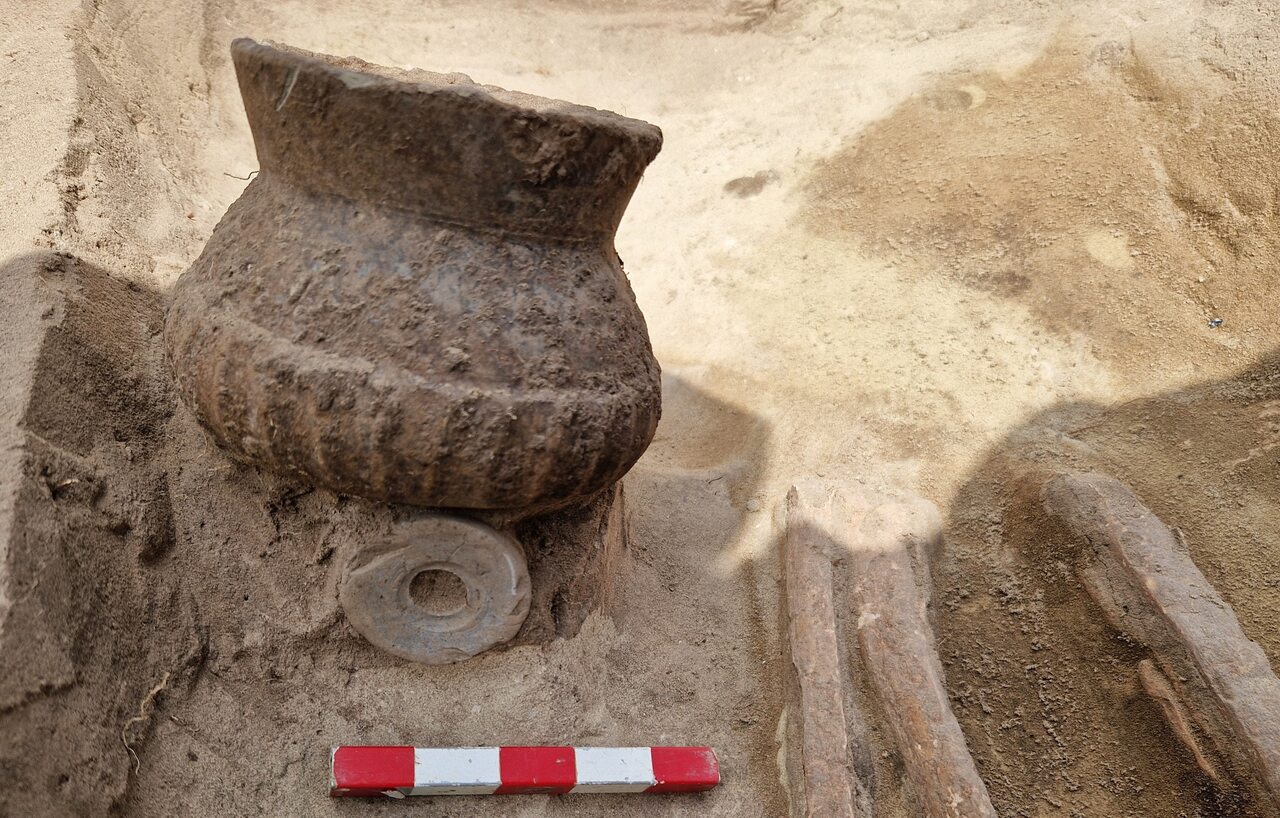
The artifacts recovered include ceramic vessels, spindle whorls, iron knives, amber and glass beads, and fibulae (brooches used to fasten garments). These objects provide a window into the clothing, material culture, and daily life of the period. The spacing between individual graves and the condition of the bones also highlight how burial practices were shaped by the environmental and soil conditions of the era.
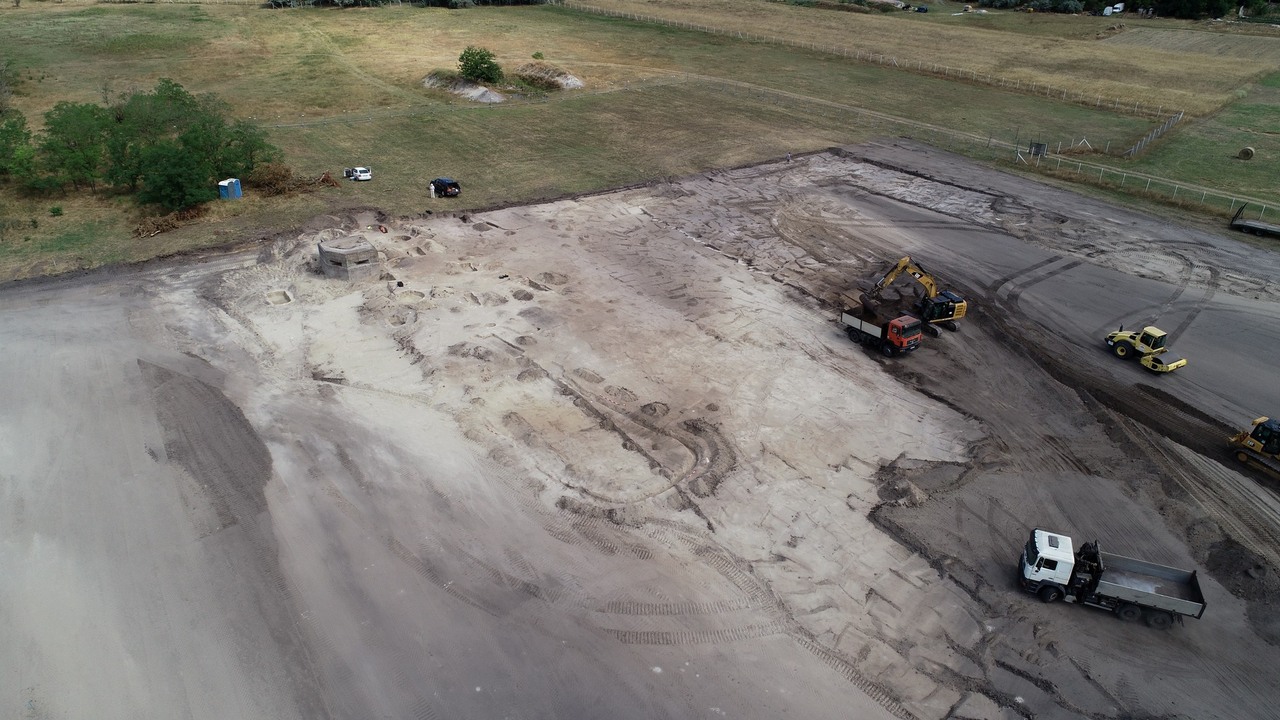
The area around Mórahalom is rich in archaeological remains. Previous digs at the Alsóközpont marketplace have also uncovered several Sarmatian graves, now housed at the museum in Szeged. Due to the sandy soil and groundwater-induced decomposition, many bones were found in poor condition. However, grave goods like pottery and knives clearly point to the graves’ age and cultural ties.