Subscribe to our social channels to get the latest news about Hungary!


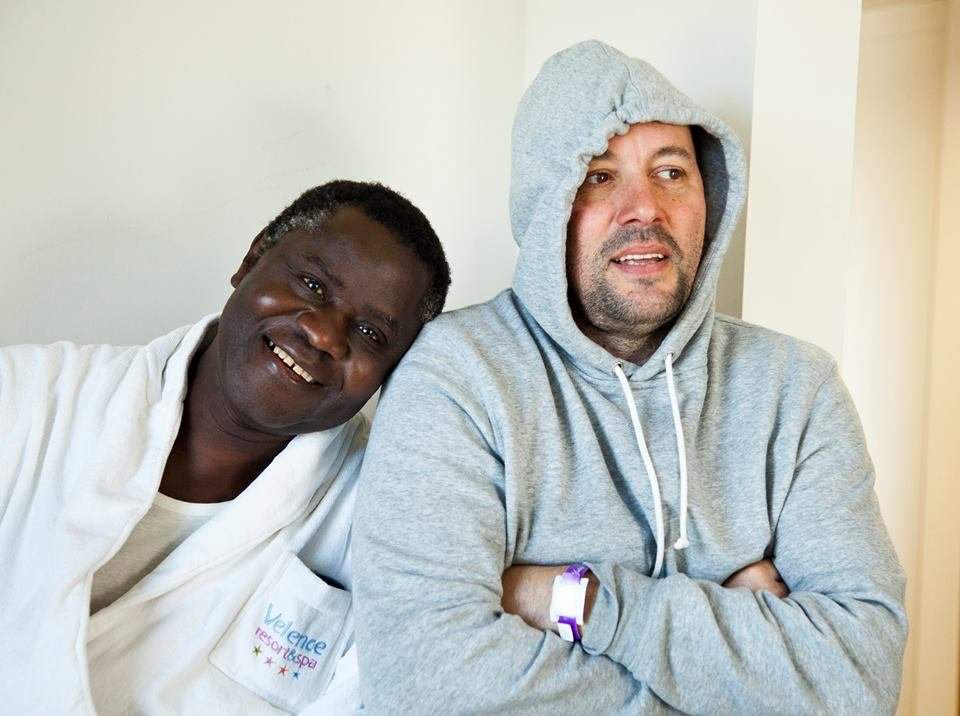
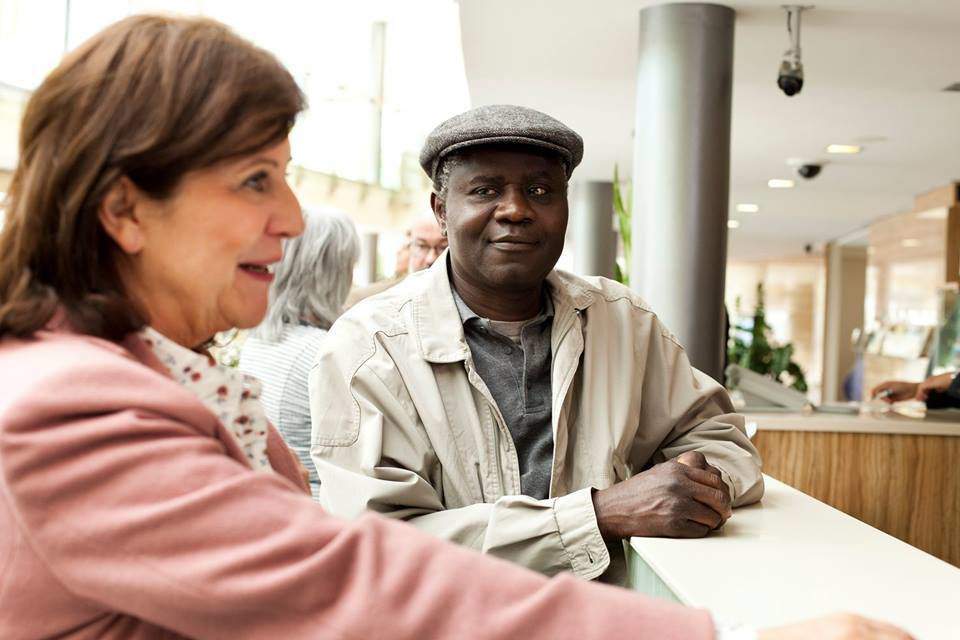
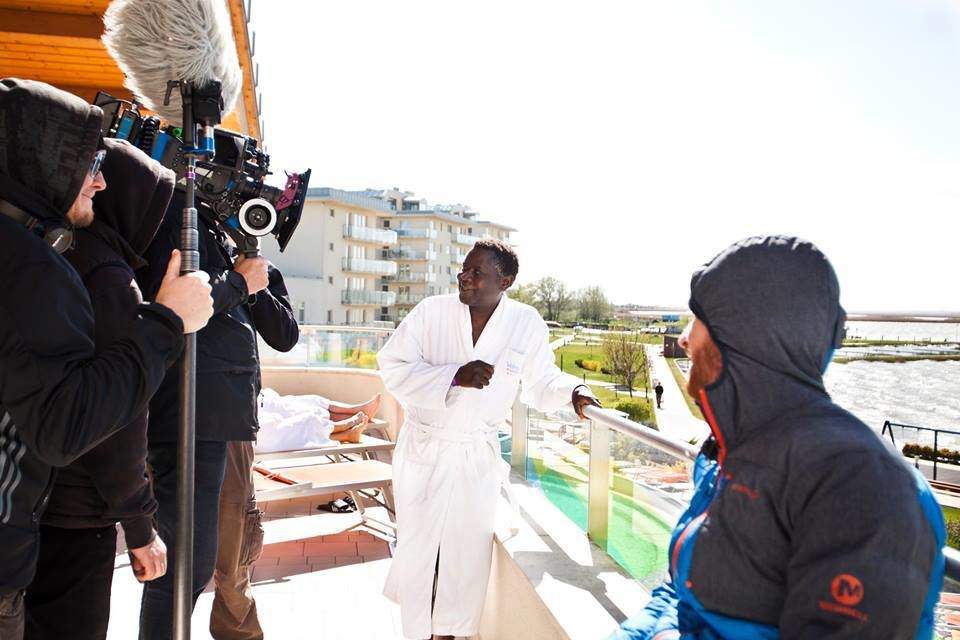
Szeretlekmagyarország.hu made an interview with the main character of the film The Citizen, Dr. Marcelo Cake-Baly. He was born in 1958, in one of the smallest states of Africa, Bissau-Guinea. He was just 4 years old when the civil war broke out in his country, and as a teenager, he also joined the army. Marcelo came to Hungary in 1975 when he was offered a scholarship. After leaving the university, he stayed in Hungary, and today he feels himself totally Hungarian. Having an economic degree he drives trolleys in the capital, but he was reckoned as the main character of a Hungarian film, The Citizen.
– You were born in Bissau-Guinea, in 1958. When and why did you come to Hungary?
-I came here in 1976 to study. After the bissau-guinean civil war, there was an opportunity to study in one of the Socialist countries. Originally, I wanted to go to Germany but the only status left was for Hungary.
-How do you recall your years sent in Bissau-Guinea? What does your mother land mean to you?
– Although I have been living in Hungary for so long that I feel myself Hungarian, it is not indifferent for me what is happening there. My brother and my family lives there, and it is about my mother land, after all. I always follow the events and I am constantly keeping in touch with my brother.
-When was the last time you were there?
– A year before, in March, for a week. I can travel there quite rarely. I have been there altogether three times since the 70s. The journey is extremely expensive.
-Will you please tell me a little bit about Hungary in the 1970s? How were you received as a bissau-guinean?
– Hungary was very different at that time, in that regime. We came as students then; we were living in a carefree manner, as it were. Though, we had to study a lot, we felt good here. I remember to receive 800 forints as scholarship. I had everything I wanted. Moreover, young people were friendly. We had a party every day during the university. We went in and out of the discos. Those were the good times. Almost all of us got a job immediately after finishing the university.
– How could you cope with the Hungarian language? Many say that this is one of the most difficult languages in the world.
-It took me half a year to learn the language. That time my professor told me that I had to learn the language well, because my pronunciation would be bad. And she was right. But talking to a lot of people during the university helped me a lot. After half a year, I could speak the street slang, too. Understanding the material was more difficult for me. I had been literally cramming the texts for quite a long time for the exams.
– Did the idea of going somewhere else in Europe after the university not cross your mind? Or did you already decide to stay here?
– To tell you the truth, I have never planned to stay in Europe. Originally, I wanted to go home after the university. If I remember well, in my year, six of us came from Bissau-Guinea, and I was the only one to stay here. I have had a life here, I got to know a Hungarian girl, and I have had two children, so I could not go home.
-Did not you want to go somewhere else within Europe?
– No, I was not thinking about this at all that time. After finishing the university, I had a relatively good job at the centre of OTP Bank. That meant a perfect job for me as a career starter. Unfortunately, four years later I was fired – I was told because of not having a Hungarian citizenship. Allegedly, the labour union messed around, but I admit I still do not understand why it happened. This might have been just an excuse for them to kick me out. But it is true that this incident broke my career. I had been working at different companies, I have been to Brussels, too, for two years, and by the time I returned, the Communism in Hungary ended. Then everything changed incredibly, even peoples’ attitude, but not only in Hungary. Suddenly, it was extremely hard to find a job in Eastern-Europe as being black. I had been suffering intense humiliation at that time. I ended up working at the Budapest Transport Privately Held Corporation. Having a family, I could not just sit around dreaming about working as an economist. I had to adjust to the circumstances, I settled for surviving.
– What other changes did the End of Communism bring for you?
-Racism was a taboo in the era of Socialism. The End of Communism brought freedom but, at the same time, it also meant that everyone could say what they wanted. From this perspective, everything had changed.
– How did your situation change with the migration wave of 2015? Do people behave towards you in another way?
-This is a really difficult question. Not only in Hungary but everywhere in Europe. That is why I do not like to speak about it. Of course, it is not that people are taunting me in every corner when I walk the streets, like “Hey, what the hell are you doing here, you negroe?” It can happen in Switzerland, Germany, wherever in Europe. People do not like that that many people flow to Europe, and it is also true that they bring many problems with them. For example, terrorists make use of the situation. You can feel the hatred in the air. Two or three weeks before, a black migrant drowned into the water, while people were mocking and laughing at the poor thing. Based on this, we are not far from being put in cattle-truck. How could people laugh at someone who is drowning? And everyone is just laughing and is not doing anything at all. Now this is the hatred that we did not experience before.